A 25kWh home battery system can be a practical choice for a solar household, but capacity alone does not tell you whether it will cover the loads that matter. The right question is: which circuits should remain available, how much power do they need at the same time, and how should solar, battery and grid power work together?

This guide helps homeowners, installers and project planners evaluate a 25kWh battery system without treating it as a one-size-fits-all answer. Use it to turn a broad capacity target into a clearer home energy plan.
What a 25kWh Home Battery System Is Designed to Do
A 25kWh battery system stores a meaningful amount of energy for later use, such as evening solar use, selected backup loads or a planned schedule around utility tariffs. It is not a guarantee that every appliance can run for a fixed number of hours: actual results depend on the active loads, inverter power, battery operating limits, solar production and local installation conditions.
For many homes, this capacity range is worth considering when the energy plan includes more than lighting and internet. A household may also need refrigeration, kitchen circuits, work-from-home equipment, pumps, climate equipment or other priority loads. The system boundary should be decided before a supplier prepares a quote.
Start With Loads and Power, Not Only kWh
Energy capacity answers how much stored energy is available over time. Power answers how much equipment can operate at once. A home can have enough stored energy on paper but still need a different inverter or circuit plan if several high-demand appliances are expected to start together.
Build a short priority-load list before comparing equipment. This makes the 25kWh home battery discussion more useful and reduces the risk of buying capacity that does not match the household’s actual operating plan.
- List the circuits that should remain available during an outage.
- Record each load’s expected running time and whether it starts with a high surge.
- Separate essential loads from flexible or deferrable loads.
- Confirm whether solar charging, grid charging or both are part of the operating strategy.
- Review the required inverter output and changeover arrangement with the final design.
Who May Need a Larger Residential Battery Capacity?
A 25kWh residential battery system may be relevant when a home has a larger evening load, wants to keep several priority circuits available, or plans to use daytime solar later. Homes with changing future loads should also identify those changes early rather than assume every future appliance will be supported automatically.
For example, a homeowner may want the system to cover essential kitchen circuits, networking equipment and selected comfort loads while treating a high-demand appliance as optional during an outage. That load-priority decision can matter as much as the battery capacity itself, because it keeps the backup plan aligned with the equipment that controls it.
How Solar, Battery and Inverter Work Together
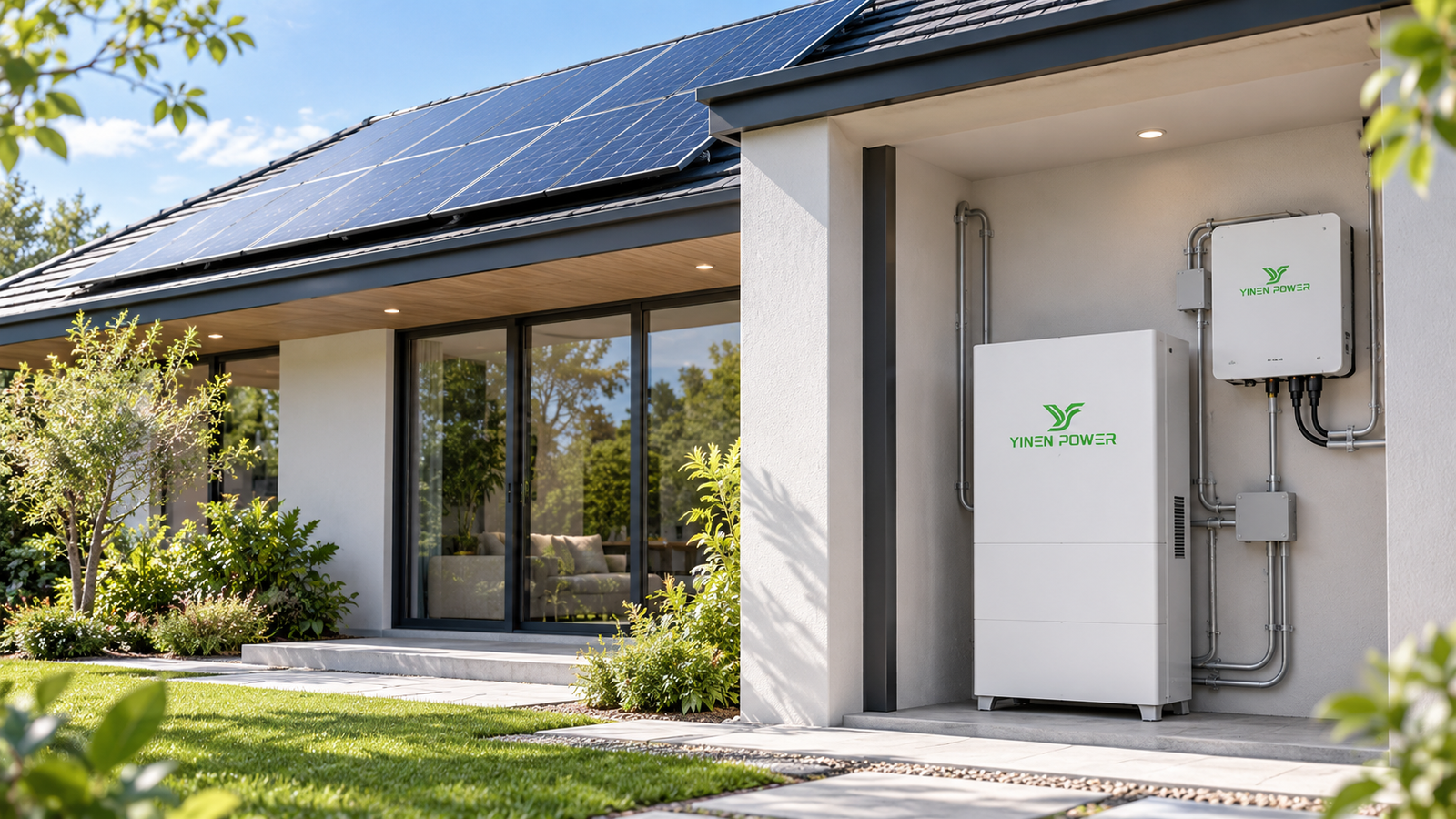
A home battery is part of a system rather than a standalone purchase. Solar production, battery charging rules, inverter capability, grid conditions and site wiring all influence how the storage system behaves. A practical design begins with the intended energy flow: use solar directly when it is available, store energy when the planned conditions allow, and reserve capacity for the loads and times that matter most.
YINEN POWER’s Home Energy Solutions page outlines residential energy storage around solar, grid and battery coordination. The final configuration should still be checked against the site electrical data, installation environment and destination-market requirements.
25kWh vs Smaller Home Battery Capacity: A Planning Comparison
| Planning question | Smaller-capacity direction | 25kWh-capacity direction |
|---|---|---|
| Primary objective | Selected circuits or a shorter evening window | Broader load planning or a longer intended operating window |
| Key sizing check | Essential-load list and minimum backup need | Load diversity, inverter power and charging strategy |
| Solar relationship | Capture a limited portion of surplus generation | Coordinate a larger planned solar-use window |
| Future planning | Confirm whether later expansion is required | Confirm floor space, wiring and controls for the intended scope |
The table is a decision framework, not a runtime promise. Your installer or electrical designer should validate the usable system capacity, power limits and site conditions before installation.
Choose the Battery Format Around the Installation Space
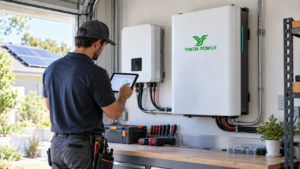
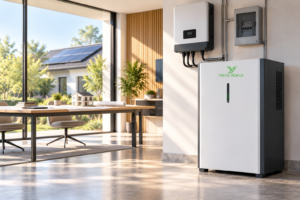
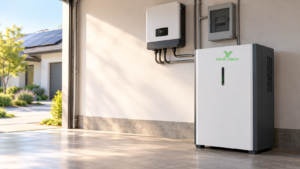
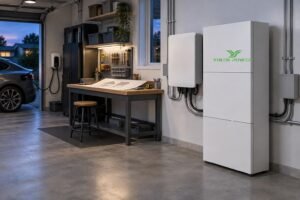
Residential energy storage can be planned with wall-mounted, rack-mounted, stacked or floor-standing battery formats, depending on the available space, access and expansion approach. The best format is the one that suits the home’s electrical room or garage layout while leaving the installation and maintenance plan clear.
YINEN POWER offers multiple residential installation directions on its Residential Battery Storage page. Confirm the product configuration and compatibility before making a commercial decision; a general capacity guide should not replace a project-specific design review.

Six Questions to Ask Before Requesting a 25kWh Battery Quote
- Which loads are essential during a utility interruption?
- What power must those loads draw at the same time?
- What solar production and charging window are expected at the site?
- Which battery, inverter, protection and commissioning items are included?
- How will the system handle load priorities and operating modes?
- Which local electrical, installation and compliance requirements must be verified?
Plan a 25kWh Home Battery System Around the Real Job
A 25kWh home battery system can be a strong planning direction when it matches a clearly defined household energy goal. Start with load data, decide the backup priorities, and request comparable proposals that show the same system boundary. This approach makes it easier to evaluate whether capacity, inverter power and installation scope work together.
Need a project-specific residential storage discussion? Contact YINEN POWER with your electricity profile, solar plan and backup priorities.