Become a YINEN POWER Energy Storage Partner
Build an energy storage offer around the market you serve, the systems you plan to deliver, and the support information your team needs.
YINEN POWER works with distributors, installers, EPC teams, system integrators, and qualified OEM buyers that need a clearer path from project brief to product discussion. An energy storage partnership is most useful when it begins with application, system boundaries, and destination-market requirements—not a generic product list.
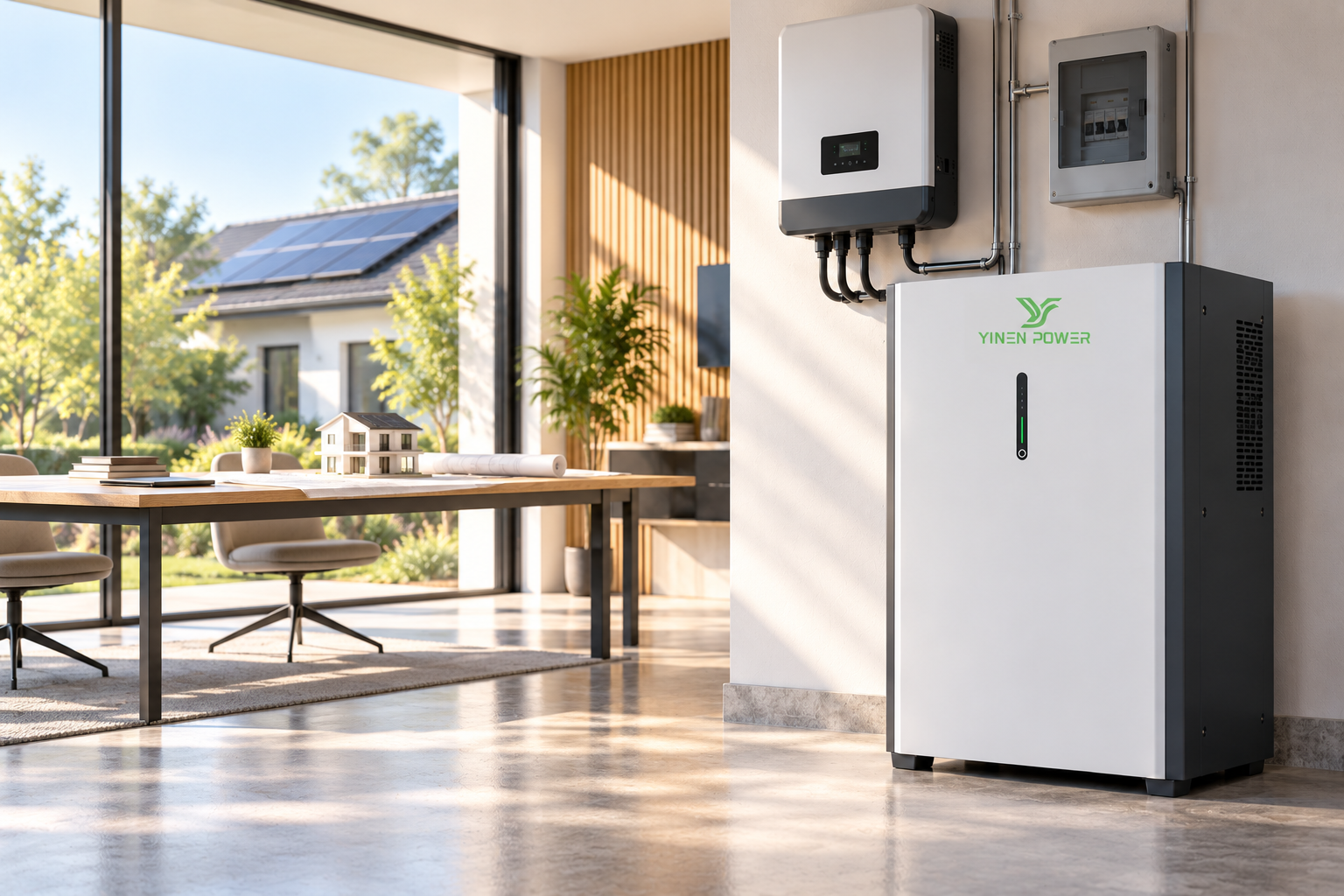
Choose the Cooperation Path That Fits Your Business
Different partner types need different information. A distributor may be defining a local portfolio, while an installer needs to check a planned inverter and site condition. An OEM buyer may be evaluating how brand presentation, packaging, and documentation should be handled. The right starting point is the role your business will take in the value chain.
- Distribution and resale: build a practical range for the applications and buyers in your market.
- Installer and EPC supply: prepare a project-focused discussion around load, solar, inverter, battery, protection, placement, and commissioning boundaries.
- System integration: review the proposed topology, communications, expansion needs, and document requirements before selecting a direction.
- OEM or private-label planning: clarify the intended product scope, visual identity, labels, packaging, documents, and market requirements before commercial terms are discussed.
Why Work With YINEN POWER
A useful energy storage partner relationship should make the next technical and commercial conversation easier. YINEN POWER can begin with the application and guide the discussion toward the product direction, configuration inputs, and evidence your team needs to review.
For residential opportunities, partners can explore residential energy storage options alongside the wider home energy solution context. For larger or more complex opportunities, the product direction should remain subject to the exact project scope, installation environment, local requirements, and current model documentation.
- Application-led conversations for residential, commercial, and project opportunities.
- Portfolio-direction discussions covering hybrid solar inverters, low-voltage batteries, all-in-one residential systems, and commercial energy storage directions.
- Configuration and compatibility questions framed before a final model or system commitment.
- Document and market-requirement review based on the selected model and destination.
What We Review Before a Useful Quotation
A short brief at the start prevents the wrong questions from carrying into the quote stage. You do not need a finished design to open a conversation, but the inputs below help turn a broad inquiry into a more relevant energy storage discussion.
| Partner situation | What to clarify | Helpful starting input |
|---|---|---|
| Distributor or importer | Portfolio fit and market readiness | Country or region, buyer profile, preferred product direction, expected documents |
| Installer or EPC | System fit and installation boundaries | Application, planned inverter, PV information, load profile, placement, critical-load objective |
| System integrator | Topology and interface review | Voltage and phase context, expansion expectations, communications and control requirements |
| OEM buyer | Scope of presentation and supply discussion | Target application, intended branding elements, packaging expectations, destination market, required documents |
Final equipment selection, protection design, wiring, commissioning, and code compliance should be completed by qualified professionals in accordance with the project and local requirements.
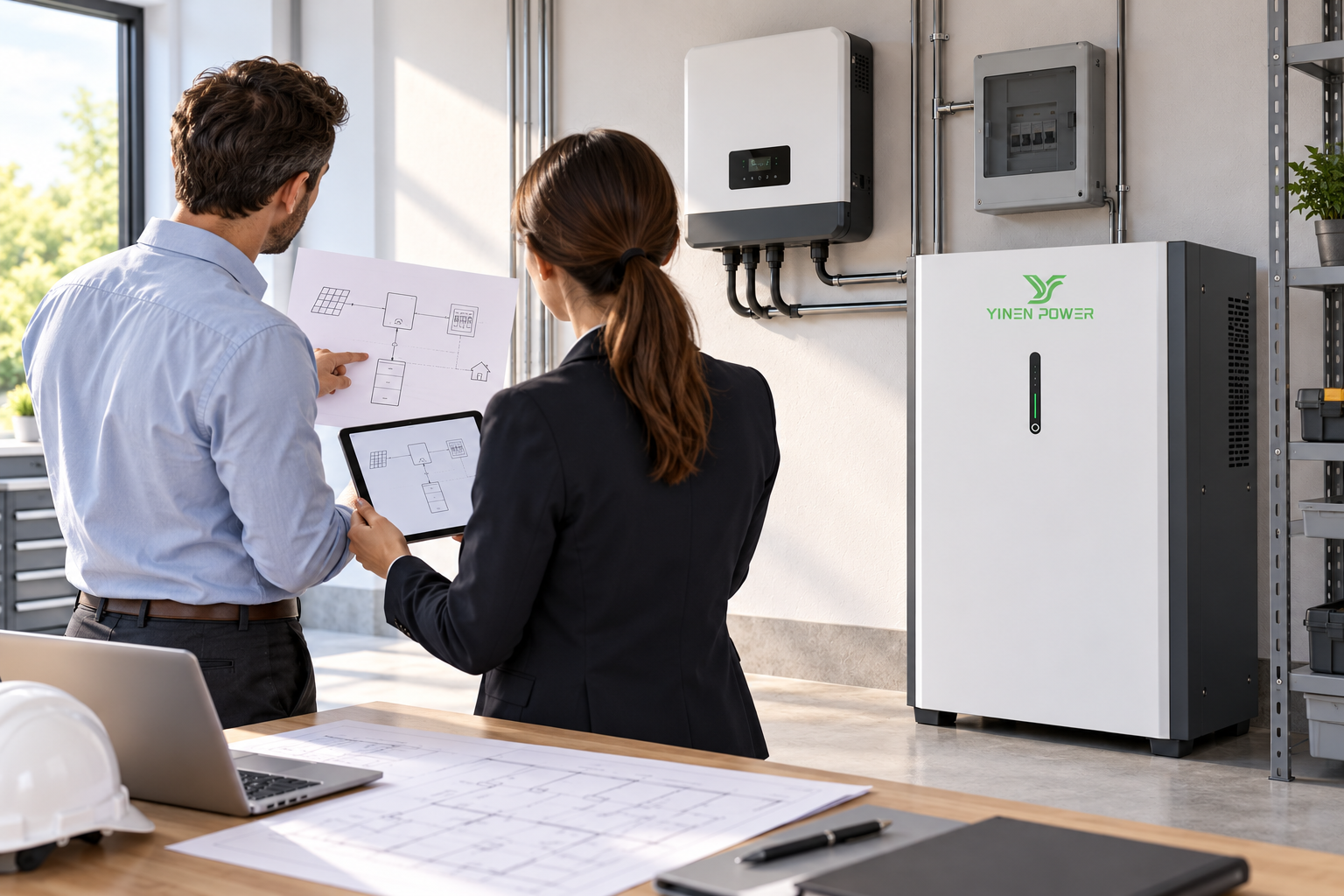
A Practical Partnership Process
- Share the business or project brief. Tell us who you serve, where the opportunity is located, and which application you want to address.
- Define the energy-storage direction. Review whether the opportunity calls for a low-voltage residential battery, a hybrid inverter-based system, an all-in-one approach, or a commercial direction.
- Clarify configuration and evidence needs. Identify the exact questions around interfaces, documents, product presentation, and market requirements before a specific selection is made.
- Align the next commercial step. Move from a defined scope toward a sample, quotation, or project discussion when the relevant inputs are available.
This process is designed to reduce ambiguity. It does not promise a final configuration, regulatory approval, compatibility outcome, delivery time, or commercial term before the relevant model, documents, and project scope have been reviewed.
Product Directions for Energy Storage Partners
Partners should keep the product category clear from the beginning. A battery is not an inverter, and an integrated energy storage system should not be treated as a generic battery specification. The following directions help structure an initial discussion:
- Residential low-voltage batteries: for projects that need a battery direction to be assessed alongside inverter compatibility, installation space, and expansion expectations.
- Hybrid solar inverter and storage discussions: for planned solar-plus-storage systems where AC, PV, battery, load, and backup boundaries need to be considered together.
- Residential all-in-one systems: for opportunities that may benefit from reviewing an integrated system route rather than specifying individual equipment without context.
- Commercial and industrial energy storage: for qualified project conversations that begin with the site’s load pattern, tariff context, installation environment, operating objective, and project evidence requirements.
Frequently Asked Questions
Can a distributor start with a broad product inquiry?
Yes. Start with the target market, buyer type, applications you plan to serve, and the product direction you want to assess. Model-specific claims and documents should then be reviewed against the selected configuration and destination.
Can installers request support for an existing inverter plan?
Yes. Provide the inverter details, system voltage, intended use, site conditions, and any required documentation. Compatibility and final design should be confirmed from current technical evidence, not assumed from a general product category.
Does OEM planning include every branding or documentation request?
OEM scope is project-dependent. Share the requested branding, labels, packaging, destination market, and document needs early so the practical scope can be assessed without implying unconfirmed terms.
For a general evidence checklist, review the U.S. Department of Energy’s battery energy storage procurement checklist alongside the selected model documents and local project requirements.
Start a Focused Energy Storage Partnership Discussion
Send your market, buyer type, application, project inputs, and documentation needs. YINEN POWER will use that information to begin a scope-focused conversation.