A wall-mounted home battery gives residential energy-storage projects a compact way to plan solar self-consumption, priority-load backup and a cleaner technical space. YINEN POWER helps installers, distributors and project teams assess the right system direction before a final product configuration is selected.
Discuss Your Project Requirements

A compact approach to residential energy storage
Not every home has a dedicated plant room. A wall-mounted battery can help make better use of vertical space in a garage, utility room or protected service area while keeping the energy-storage system close to the inverter and electrical distribution equipment. The right solution should be selected around the household’s load profile, solar-generation pattern, backup expectations and installation conditions—not a headline capacity alone.
For a new project, the final battery model, nominal energy, voltage range, communication method, environmental rating and mounting conditions must be confirmed against the current YINEN POWER documentation and the local installation requirements.
Where a wall-mounted battery can fit
Solar self-consumption planning
Store surplus solar energy for use when production is lower, subject to the complete system design and local operating rules.
Priority-load backup planning
Identify the circuits that matter most, such as lighting, communications, refrigeration or selected outlets, before sizing a backup strategy.
Space-conscious residential projects
A wall-mounted format can be considered where a qualified installer verifies wall structure, required clearances, ventilation and service access.
What to review before selecting a wall-mounted home battery
| Project question | Why it matters |
|---|---|
| Which loads need support? | Load priorities help define the practical role of the battery within the home energy system. |
| How is solar generation used today? | Generation and consumption timing influence whether the project is focused on self-consumption, backup planning or both. |
| What inverter and communication interface are planned? | Compatibility must be verified using the current inverter and battery documentation before installation. |
| Is the wall and room suitable? | A qualified installer should confirm structural suitability, service clearances, cable routing and applicable electrical requirements. |
| What local rules apply? | Permits, grid requirements and electrical codes vary by market and project. |
System matching comes before installation
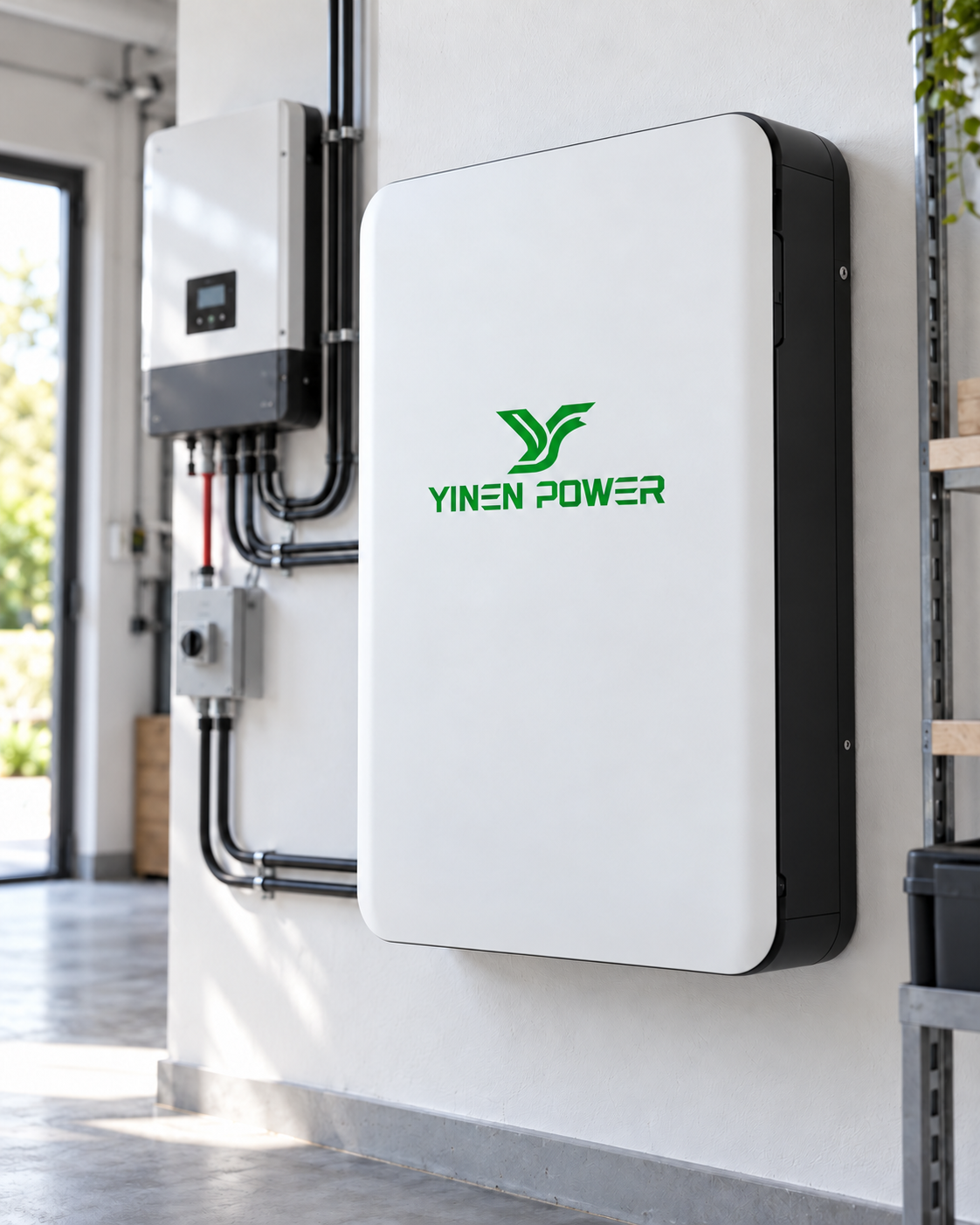
Residential energy storage is a system decision. Battery, inverter, protection devices, monitoring arrangement and installation environment should be evaluated together. Before ordering or commissioning, use the current datasheets, installation manuals and compatibility information for every component in the proposed system.
- Review the planned inverter and its supported battery communication requirements.
- Confirm the applicable operating limits and protective-device design with a qualified professional.
- Plan accessible routes for power and communication cables.
- Reserve the clear space needed for safe installation, inspection and future service.
- Confirm that the selected configuration follows the applicable local codes and utility requirements.
From household energy goals to a practical system brief
The most useful first conversation is usually about the home, not the battery label. A homeowner may want to use more daytime solar energy in the evening, protect selected circuits during an outage, or plan a more flexible energy system for future changes. These goals can overlap, but they do not always lead to the same product configuration. A clear project brief gives the installer and system designer a stronger starting point.
Begin by recording the location, the market, the available solar system or proposed PV array, the current electrical arrangement and the preferred outcome. Then identify whether the project is intended mainly for solar self-consumption, backup support, time-of-use planning where permitted, or a combination of these needs. The final design must reflect the local rules and the verified technical limits of every selected component.
For distributor and installer enquiries, it is also useful to state whether the requirement is for a single residential project, a repeatable installer offering or an OEM-oriented product discussion. This helps the conversation move from a broad wall-mounted battery search to the documentation and commercial support relevant to the actual project.
Questions a qualified installer should answer
Wall mounting does not remove the need for careful site assessment. It changes the physical considerations that need attention. The installation professional should review the proposed mounting surface, the equipment layout and the planned access route before any final recommendation is made.
- Can the proposed wall and bracket arrangement support the selected equipment under the product instructions?
- Is there enough room for safe clearances, cable bends, ventilation and service access?
- How will the battery, inverter, protective devices and distribution equipment be arranged as one accessible system?
- What electrical, fire-safety, permitting or utility requirements apply in the project location?
- Which current manuals, firmware notes and compatibility documents govern the final system combination?
Answering these questions early can prevent a layout from being chosen only because it looks compact in a picture. A neat installation is valuable, but a dependable system also needs the correct engineering checks, documented configuration and professional commissioning.
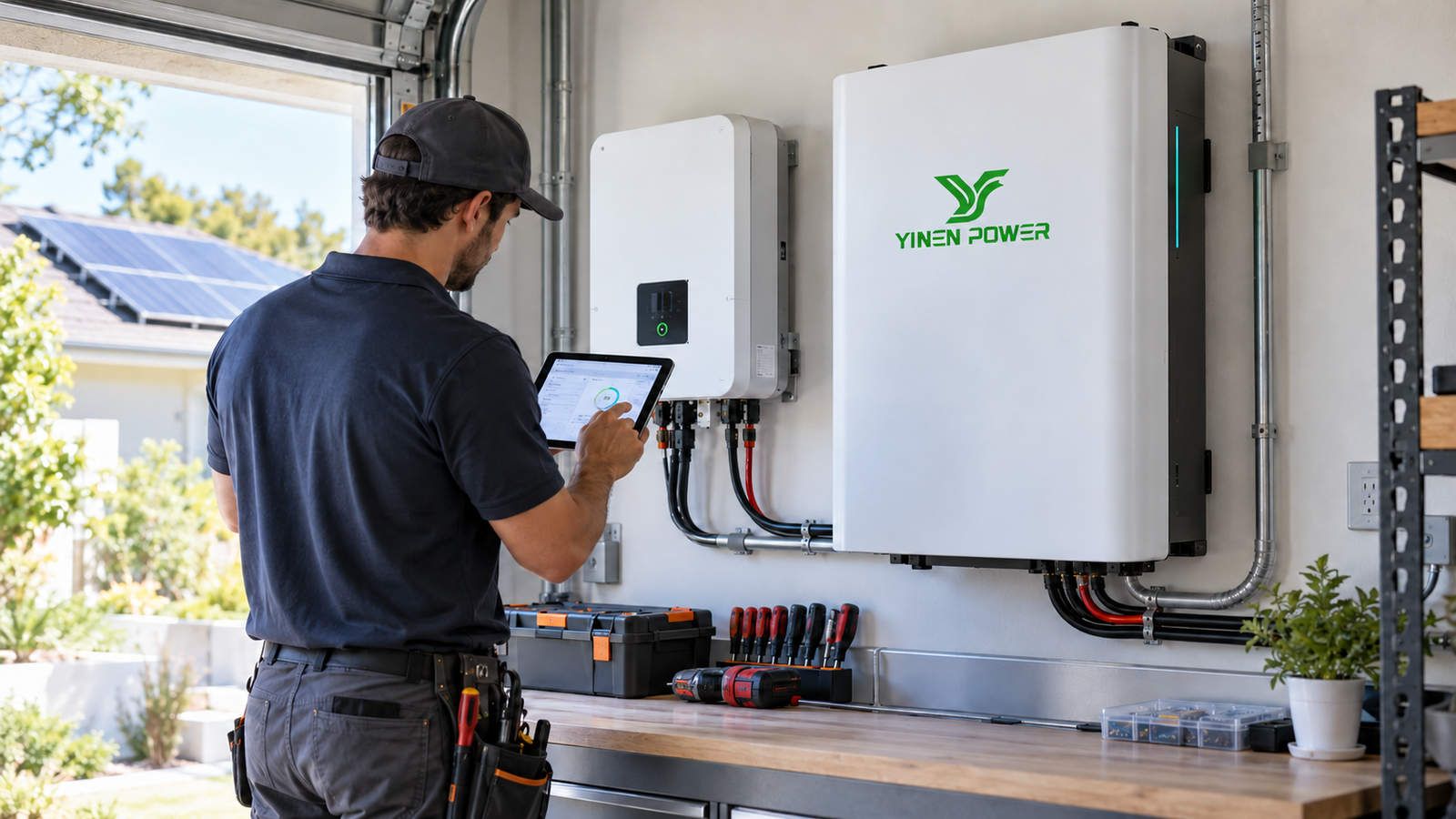
Installation planning for a wall-mounted battery
A professional installation process begins with site verification. The installer should evaluate the substrate, mounting arrangement, available clearances, environmental exposure, cable entry direction and access to associated equipment. Do not rely on a generic image or a preliminary layout as an installation instruction. Always follow the current product manual and the instructions of the qualified installation professional.
For distributor and installer teams, a documented pre-installation check can reduce avoidable changes on site. Capture the planned location, inverter information, load priorities and local requirements before a system is finalized.
Documentation is part of the product decision
Product information can change as models, software and market requirements develop. For that reason, the current datasheet, installation manual, warranty terms and compatibility guidance should be checked at the point of design and again before commissioning. Do not rely on a comparison table, an older online listing or a visual concept image as a technical approval.
When contacting YINEN POWER, include the target country or region, proposed application, available inverter information and whether the enquiry is for an installer, distributor, developer or homeowner project. This lets the team direct the request toward the most relevant current product information instead of making assumptions from an incomplete brief.
Choosing a wall-mounted home battery for a residential project
A wall-mounted home battery should be evaluated around the real household requirement rather than a single headline figure. When reviewing a wall-mounted home battery, consider the priority loads, expected solar usage, planned inverter, available installation space and local requirements together. This approach helps a project team decide whether a wall-mounted home battery suits the intended application before the final configuration is specified. For any wall-mounted home battery project, use the current technical documentation for the selected equipment and ask a qualified installer to verify the final arrangement. A practical wall-mounted home battery plan also considers future service access, cable routing and the information required for commissioning. For broader battery-system context, consult the International Energy Agency battery research, then confirm every project decision against the current YINEN POWER documentation and local requirements.
Work with YINEN POWER on your residential energy-storage project
YINEN POWER can help project teams begin the product-selection discussion with the information that matters: intended application, target market, proposed inverter, installation environment and expected support needs. Share your project brief and our team will help direct you to the relevant current documentation and next step.
Wall-Mounted Home Battery FAQ
Is a wall-mounted battery suitable for every home?
No. Site conditions, load goals, inverter compatibility, wall suitability and local electrical requirements must be assessed for each project.
Can a wall-mounted battery work with a hybrid inverter?
Potential compatibility depends on the exact battery and inverter models, firmware, communication requirements and approved documentation. Confirm the final combination before installation.
How do I select the right battery size?
Start with the load profile, solar-production pattern, desired use case and backup priorities. A qualified system professional can then evaluate the appropriate configuration using current technical documentation.
Where can I obtain current product documentation?
Contact YINEN POWER with your market and project requirements to request the relevant current information.