When a household wants to use more solar energy after sunset, prepare for occasional grid interruptions, or plan for future electrical demand, battery capacity is only part of the decision. A high-capacity low-voltage home battery should be selected around real energy use, required output power, modular expansion and the inverter that will manage the system.
This guide is for homeowners, installers and distribution partners who need a practical way to compare low-voltage residential storage options. Capacity, certifications, operating limits, communication protocols and warranty terms must always be checked against the latest YINEN POWER datasheet and the requirements that apply to the project location.
Why Are More Homes Considering High-Capacity Low-Voltage Storage?
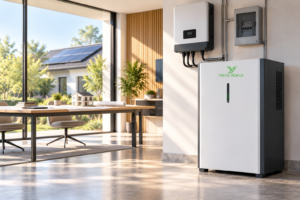
Solar production often peaks in the middle of the day, while cooking, air conditioning, water heating and EV charging may concentrate in the evening. A suitably designed low-voltage storage system can shift part of that energy to a more useful time and, where the system is configured for it, support agreed essential loads.
High capacity does not mean adding as many battery modules as possible. The useful result comes from matching usable energy, charge and discharge power, everyday loads and a realistic expansion plan. Too little capacity can limit backup duration; too much capacity without a clear use case can raise the initial investment and leave energy underused.
How Is a Low-Voltage Home Battery Different from a Basic Backup Power Supply?
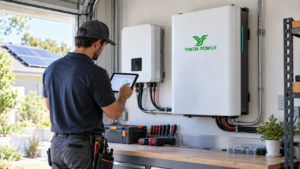
Residential low-voltage storage is normally designed around a hybrid inverter, battery management system and selected distribution circuits. It is not only about stored energy; it is also about how PV, grid supply and essential loads work together in normal and backup operating conditions. A qualified installer should design and commission the system in accordance with local electrical rules.
- Solar self-consumption: move a portion of daytime PV generation into the evening.
- Essential-load planning: define the lighting, network, refrigeration or other circuits that require priority.
- Time-of-use optimisation: schedule charging and discharging where tariffs and equipment functions allow it.
- Future-ready planning: allow for growing demand such as heat pumps or EV charging.
Plan Energy and Power Together, Not kWh Alone
Capacity describes how much energy the battery can store. Power affects how much load the system can support at one moment. Air conditioners, ovens, pumps and chargers can create a rapid demand spike when they start together. A practical design therefore needs to answer both “how long will it run?” and “what can it run at the same time?”
Start with up to 12 months of electricity bills, a typical daily load profile, the circuits you want to retain during backup and any likely changes over the next one to three years. This gives an installer a more reliable basis for recommendation than a capacity figure alone.
What Should Be Checked Before Modular Expansion?
A modular layout can let a household deploy storage in stages, but expansion is not simply a matter of adding another battery. Battery model, software version, wiring method, communication settings and permitted parallel quantity may all affect safety and performance.
- Confirm that the selected YINEN POWER model supports the required expansion method and final system configuration.
- Check whether the battery model, production condition and installation guidance allow the proposed new and existing units to be used together.
- Verify the inverter battery-voltage range, communication protocol, firmware version and parallel rules.
- Reserve room for access, cabling, protection devices, ventilation and service space—not just floor area.
Installation Location and Environment Matter for Long-Term Performance
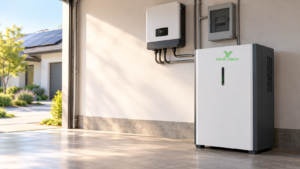
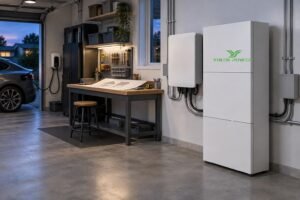
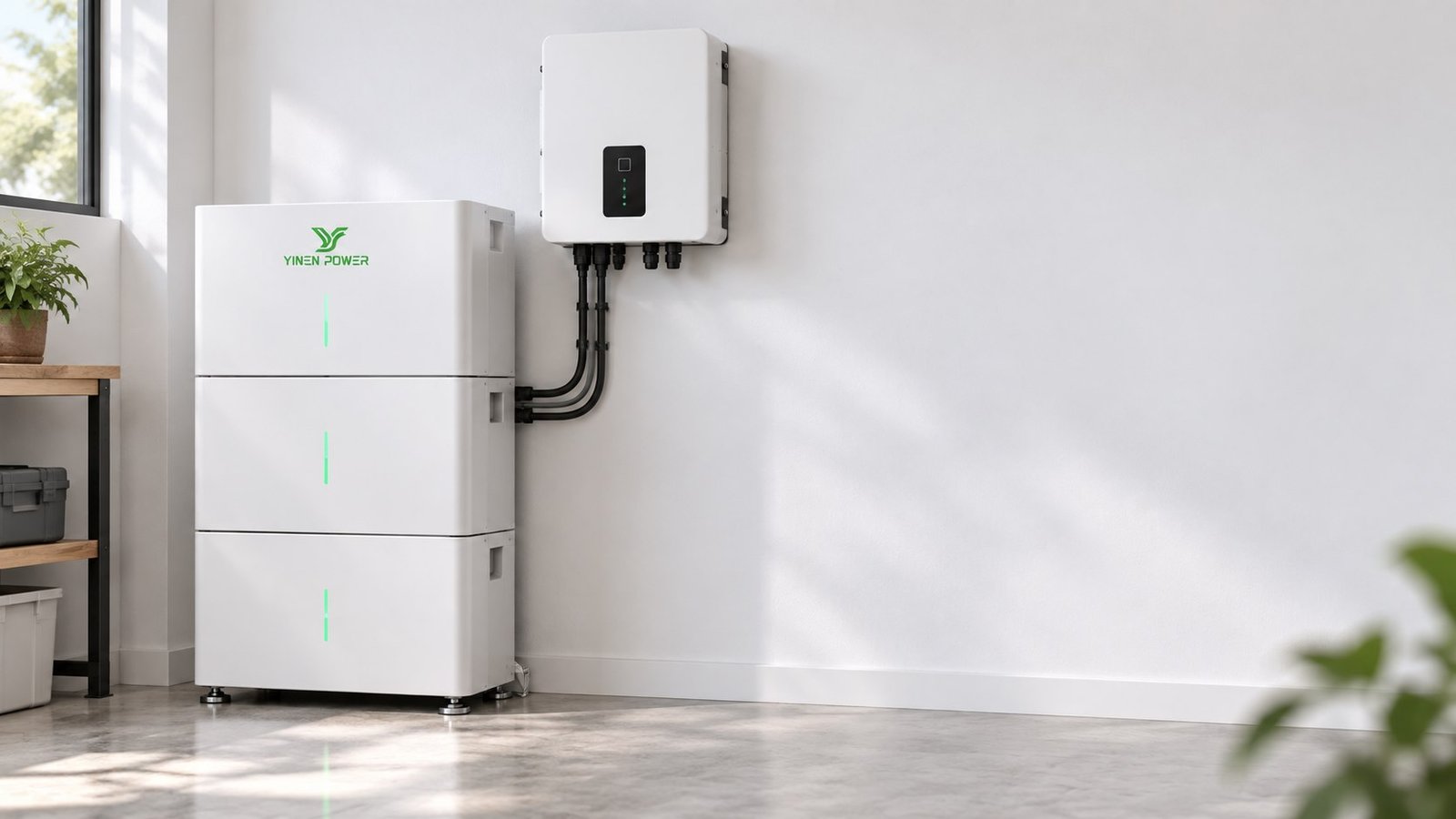
The installation area should be dry, ventilated, serviceable and compliant with the product manual as well as local fire, electrical and building requirements. Conditions can differ for indoor rooms, garages, equipment rooms and protected outdoor locations, so an installation site should not be chosen from images or general assumptions alone.
Review wall loading, floor level, cable routing, solar exposure, dust, moisture, salt air and extreme temperatures. In cold regions, confirm the charging and discharging requirements for the exact battery model rather than assuming every battery has the same low-temperature capability.

Compatibility: Inverter, Communication and Intelligent Control
Low-voltage battery compatibility with a hybrid inverter is more than matching a voltage range. The battery management system and inverter need to exchange operating status, current limits, charge-discharge requests and fault information. The functions available in a finished project may also depend on protocol support, firmware and system configuration.
Before ordering, provide YINEN POWER or authorised technical support with the inverter brand, full model number, rated power, firmware version, project country and intended parallel arrangement. Obtain written compatibility confirmation before purchasing and installation to reduce avoidable commissioning risk.
A Capacity-Planning Example: Start with Real Use
For example, a household may want to cover evening-to-morning essential consumption while retaining refrigeration, internet and lighting during occasional outages. The installer would first separate critical circuits from high-power appliances that can remain off in backup operation, then review daily demand, PV production and local tariffs before recommending battery energy and inverter power.
This approach changes the conversation from a simple product comparison into an analysis of real energy behaviour. If a heat pump, pool equipment or EV charger may be added later, include it in the first design discussion so that power, distribution and installation-space constraints can be addressed early.
Selection Checklist
| Check item | Question to ask | Information to prepare |
|---|---|---|
| Daily demand | How much energy is needed after solar production falls? | Bills, load list and time-of-use information |
| System power | Which appliances may start at the same time? | Power ratings and essential-circuit plan |
| Expansion | Will demand or storage grow in the next 1–3 years? | Future equipment plan |
| Installation | Are location, access, ventilation and cabling suitable? | Site photos, dimensions and local requirements |
| Compatibility | Can battery and inverter compatibility be confirmed in writing? | Full model numbers, firmware and project country |
Frequently Asked Questions
Is a larger low-voltage home battery always better?
No. Start with actual energy use, essential loads, available installation space, budget and expansion plans. A suitable margin can be useful, but energy capacity, power and compatibility must be evaluated together.
Can I mix different batteries in the same system?
Do not mix batteries based on general assumptions. Differences in model, state of use or software can affect communication and management. Follow the selected product manual and written guidance from YINEN POWER technical support.
How do I begin an enquiry?
Prepare your project country, full inverter model, electricity-use information, PV size and installation-location photos. Share them with YINEN POWER to start a practical review of the low-voltage residential storage options for your project.
Build a Scalable Plan for Home Energy Storage
A suitable high-capacity low-voltage home battery plan balances today’s solar self-consumption and backup priorities with tomorrow’s load growth. Confirm the real energy demand and installation boundary first, then verify expansion and compatibility, so your storage investment becomes a clear and reliable energy plan for the home.
For related planning guidance, see our low-voltage solar battery sizing guide and explore the YINEN hybrid inverter range. Contact YINEN POWER with your project location, inverter information and energy goals to discuss a low-voltage residential storage solution suited to your application.