Energy storage is no longer a decision about battery capacity alone. A useful project begins with the site: when electricity is used, which loads must remain available, how much solar generation is available, and whether the system may need to grow over time. That is the practical meaning of full-scenario energy storage solutions: matching solar generation, power conversion, battery storage and controls to the work the system must do.
For a homeowner, the priority may be evening self-consumption and essential-load backup. For a business, it may be controlling peak demand, supporting selected equipment during an outage or making better use of daytime PV. For a larger industrial or infrastructure project, capacity, site conditions, communications and staged deployment can all become part of the same design decision.
What Does “Full-Scenario” Mean in Energy Storage?
Full-scenario energy storage does not mean that one cabinet or battery design fits every installation. It means the solution is planned around the application before equipment is selected. The battery, inverter or PCS, PV array, protection arrangement and operating logic should work together within the local electrical and installation conditions.
This approach helps avoid familiar problems: a battery that does not cover the intended backup window, an inverter that does not match the electrical service, or a system that is difficult to expand when a site adds PV, EV charging or new loads. Instead of starting with a headline capacity, start with the job the project must perform.
Start With These Project Questions
- Which loads are critical, and which loads can be excluded during an outage?
- When does the site consume the most electricity: daytime, evening or short demand peaks?
- Is the goal solar self-consumption, backup power, peak shaving, off-grid operation or a combination?
- What PV capacity is installed or planned, and what grid or generator inputs are available?
- What installation space, ambient conditions, communications and future expansion constraints apply?
Residential Energy Storage: Plan Around Everyday Energy Use

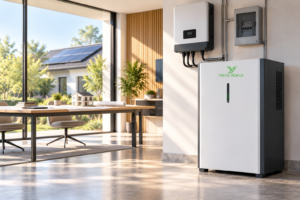
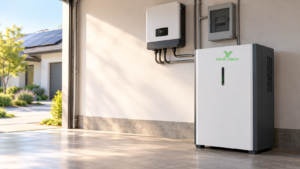
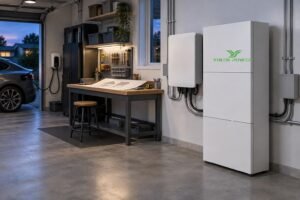
Residential projects commonly combine solar self-consumption with a defined backup strategy. The goal is not simply to store as much energy as possible; it is to decide which circuits matter during a utility interruption and how much energy those circuits require across the intended backup period.
A practical home assessment records the main loads, their likely simultaneous operation and the customer’s preferred backup behavior. Refrigeration, lighting, communications and selected appliances may be treated differently from high-demand equipment. This makes the inverter and battery selection easier to evaluate before installation.
YINEN’s residential energy storage range and solar inverter options can be considered as part of that wider system plan. Final compatibility should always be checked against the site voltage, local grid requirements, battery configuration and the chosen backup circuits.
Commercial and Industrial Energy Storage: Tie Capacity to the Load Profile
Commercial and industrial projects require a different starting point. A facility may want to use more daytime solar, reduce short demand peaks, keep communications or controls running, or prepare for a phased expansion. Those objectives can produce very different power and storage requirements even at sites with similar annual energy use.
Load data is therefore central. Interval data, major equipment schedules, seasonal variation and the timing of PV output help determine whether the design should prioritize energy shifting, peak management, backup continuity or a combined operating strategy. You should also identify the loads that must be supported and the loads that can be managed or disconnected during a contingency.
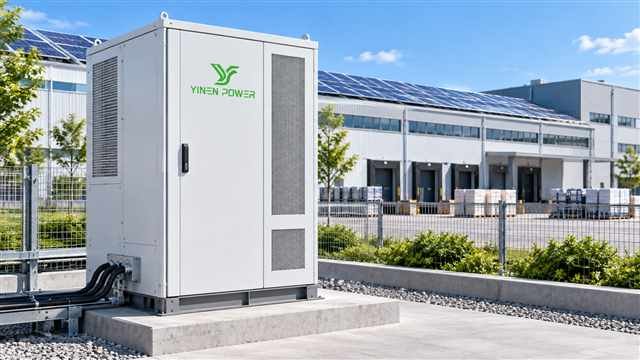
For higher-capacity projects, a liquid-cooled commercial and industrial energy storage cabinet can provide a scalable battery foundation. The published GS HVL range covers 193-522 kWh cabinet options; configuration still depends on the inverter or PCS, site voltage, required backup duration, installation conditions and expansion plan.
Integrated PV + Storage: Reduce Interfaces, Not Project Checks
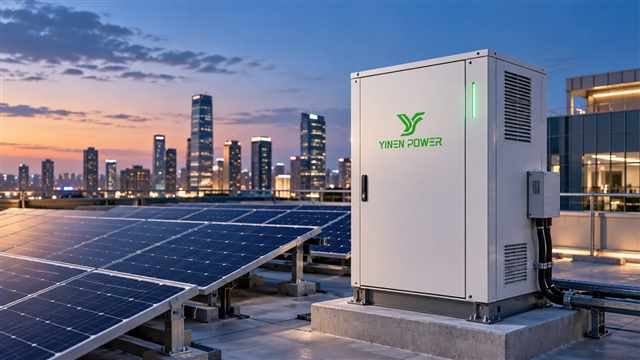
An integrated photovoltaic and storage system brings PV conversion and battery storage into a coordinated configuration. This can simplify project planning by giving the design team a clearer starting point for matching PV input, battery capacity, cooling approach and site power requirements.
YINEN’s photovoltaic and storage integrated machine is published in air-cooled and liquid-cooled configurations for commercial and industrial projects. Its listed range spans 15 kW + 30 kWh to 250 kW + 522 kWh. Those figures are useful for early feasibility discussions, but they do not replace checks on grid connection, protective devices, installation location, operating profile and commissioning requirements.
Match the System to the Application, Not the Label
The same battery capacity can create very different results in different projects. A structured comparison helps project teams collect the information that changes the decision.
| Application | Typical objective | Information to confirm before sizing | System-planning focus |
|---|---|---|---|
| Home with PV | Evening solar use and selected backup loads | Essential circuits, overnight consumption, PV output, service voltage | Battery capacity, inverter compatibility and backup priorities |
| Farm or remote site | Reliable power for defined loads and operating periods | Motor loads, generator input, water or production schedule, site conditions | Surge requirements, control strategy and practical maintenance access |
| Hotel or commercial building | Protect priority operations and manage variable demand | Load intervals, essential systems, tariff structure, rooftop PV potential | Peak periods, backup sequence and staged expansion |
| Industrial park | Coordinate PV, storage and multiple facility loads | Transformer capacity, operating shifts, expansion plan, communications | Power architecture, storage duration, protection and multi-cabinet planning |
| Island or off-grid project | Balance generation sources and continuity needs | Solar resource, generator role, critical loads, logistics and environment | Source coordination, reserve capacity and installation resilience |
This scenario-first process also prevents the common mistake of treating PV, storage and power conversion as separate procurement packages. A system works best when the interfaces are discussed at the same time.
A Practical Checklist Before You Request a Quote
The fastest way to receive a useful proposal is to provide the project data that affects configuration. Before contacting a supplier, prepare:
- Installation country, grid type, nominal voltage and any known local interconnection requirements.
- Recent load data or a clear list of the site’s major loads and operating hours.
- Existing or planned PV capacity, panel arrangement and expected generation profile.
- The critical loads, desired backup time and any loads that must not run during backup.
- Available installation space, indoor/outdoor location, ventilation and environmental conditions.
- The inverter, PCS, EMS or generator equipment already installed or under consideration.
- A future expansion plan, including new production equipment, EV charging or additional PV.
If some information is not yet available, identify that early. A site survey, single-line diagram or load review can be more valuable than estimating a system from a battery capacity number alone.
Build a Full-Scenario Energy Storage Solution with YINEN POWER
YINEN POWER provides solar inverters, energy storage batteries, integrated PV + storage equipment and commercial energy-storage configurations for different project requirements. For a practical starting discussion, send your location, load profile, PV plan, desired backup behavior, installation conditions and any existing inverter or PCS details.
The right solution is the one that fits the application today and keeps a clear path for the project’s next stage. Contact YINEN POWER to discuss a configuration around your site requirements.