A 100kWh commercial battery system cost cannot be reduced to one dependable number before the project scope is clear. Two quotations with the same nominal energy capacity can include very different power ratings, control equipment, installation work, electrical interfaces, and commissioning responsibilities.
For commercial buyers, the more useful question is: what does this price include, and what is still outside the budget? This guide explains how to build a practical 100kWh BESS budget, compare quotations consistently, and prepare a request for quotation (RFQ) that gives suppliers enough information to respond clearly.
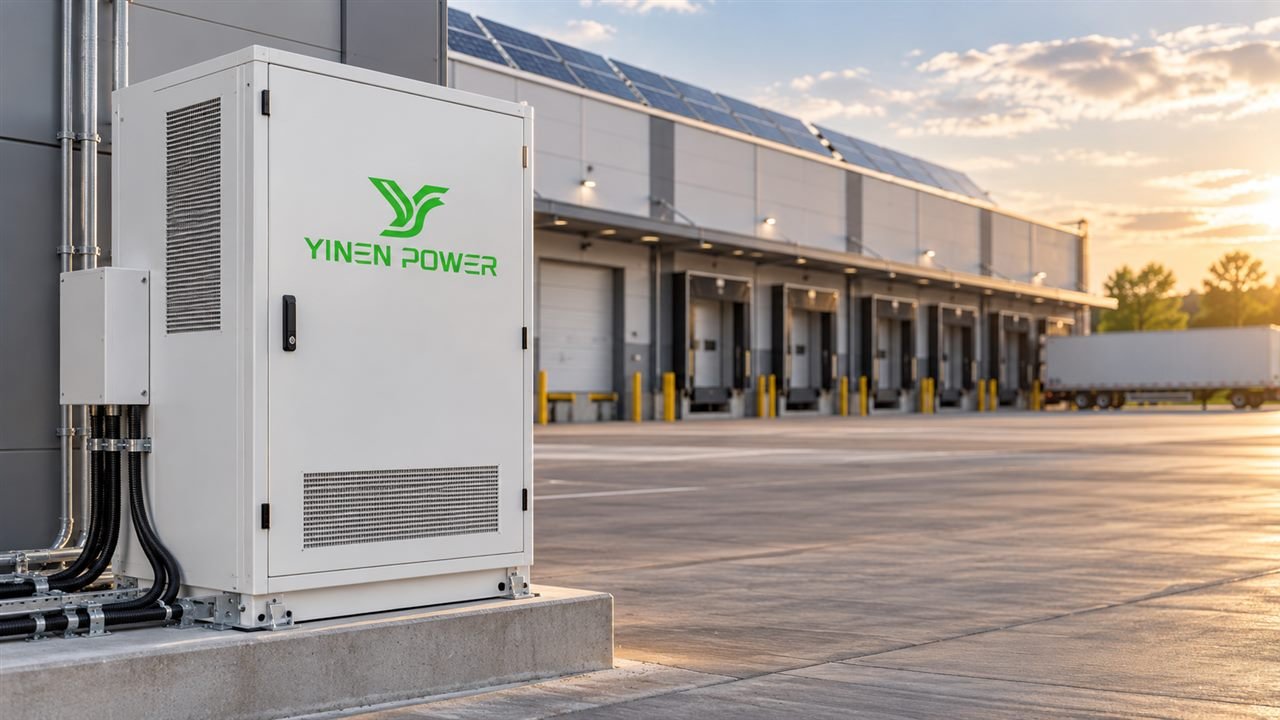
Why a 100kWh Commercial Battery System Has No Single Fixed Cost
A 100kWh commercial battery refers to the energy capacity of the storage portion of a project. It does not, by itself, define the system power, discharge duration, installation environment, grid connection work, control strategy, or the services included in the supplier’s scope. Those choices can materially change a commercial battery storage cost.
For example, one buyer may need a system that supports selected loads during an interruption; another may be evaluating a solar-plus-storage site with a specific daily operating plan. Both projects may start with “100kWh,” yet the equipment boundary and project work can be very different. Treat a published price range as a starting point for questions, not as a substitute for a project quotation.
Define Capacity, Power, and Duration Before You Request Pricing
Capacity is measured in kilowatt-hours (kWh); it describes stored energy. Power is measured in kilowatts (kW); it describes how quickly the system can deliver or absorb energy. Duration is the relationship between the two. A 100kWh battery system can therefore be paired with different power configurations depending on the required load, operating strategy, and intended discharge window.
Before comparing a 100kWh commercial battery system cost, write down the operating objective. Is the priority solar self-consumption, demand management, backup for selected loads, off-grid operation, or another use case? State the expected load profile, the existing electrical equipment, and what the system must do during normal operation and abnormal events. This prevents a supplier from pricing an incomplete or unsuitable configuration.
What a Commercial BESS Budget May Include
A commercial battery energy storage system is more than a battery cabinet. A complete budget should separate equipment, engineering, site work, and services so the buyer can see the true system boundary. The U.S. Department of Energy’s Battery Energy Storage System Procurement Checklist is a useful independent reference for early-stage commercial-scale procurement questions.
| Budget area | What to clarify in the quotation | Why it changes cost |
|---|---|---|
| Battery storage equipment | Exact cabinet, battery modules, BMS, accessories, and stated inclusions | Defines the supplied energy-storage hardware rather than only a headline capacity. |
| Power conversion and controls | PCS or inverter, communications, monitoring, EMS interface, and control boundary | Power requirements and integration complexity differ from project to project. |
| Enclosure and protection scope | Indoor or outdoor placement, cabinet accessories, protection equipment, and required site interfaces | Environmental and project requirements affect the equipment and supporting work. |
| Electrical and civil work | Cabling route, switchgear interface, foundations, access, and installation responsibilities | Existing-site conditions are often not visible in an equipment-only price. |
| Engineering and commissioning | Drawings, coordination, testing, handover documents, and onsite scope | Clarifies who turns delivered equipment into an operating project. |
| Logistics and commercial terms | Delivery point, packing, freight assumption, taxes, and exclusions | Prevents late-stage additions that were not part of the original comparison. |
Ask every supplier to identify which rows are included, optional, supplied by others, or explicitly excluded. A lower equipment quote may still leave site work, controls integration, or commissioning outside the proposed scope.
Seven Factors That Change Commercial Battery Storage Cost
- Power and duration: 100kWh does not define the kW rating or the operating duration expected by the project.
- System architecture: the battery, inverter or PCS, controls, and electrical interface must be defined as one workable system boundary.
- Existing equipment: solar, generator, switchgear, monitoring, and load arrangements can change integration work.
- Installation location: indoor rooms, exterior pads, rooftops, and constrained retrofit sites bring different access and preparation questions.
- Site electrical work: cable runs, protection equipment, connection points, and required upgrades should be visible in the scope.
- Documentation and approvals: project requirements must be confirmed for the exact model, destination, and installation arrangement.
- Delivery and commissioning responsibility: clarify who coordinates delivery, installation, testing, and final handover.
These factors are why a meaningful commercial BESS cost discussion starts with project information. They also explain why a standard 100kWh brochure cannot replace an RFQ review. YINEN’s industrial energy-storage planning guide offers a useful way to frame operating needs before a final scope is selected.

How to Compare Two 100kWh BESS Quotations Fairly
Put competing offers into one comparison sheet. Do not compare only the total at the bottom of each proposal. If the scopes are not the same, the prices are not directly comparable.
- Confirm the exact battery capacity and the stated usable operating boundary.
- Confirm the kW power rating and the intended operation or duration.
- List the battery, BMS, PCS or inverter, monitoring, and communications equipment by model or defined scope.
- Mark whether electrical integration, site preparation, freight, installation, testing, and commissioning are included.
- Request current datasheets, drawings, manuals, and a clear list of exclusions.
- Record the responsible party for final engineering, interconnection coordination, installation, and handover.
When an item is unclear, label it “to be confirmed” rather than assuming it is included. This is especially important for retrofit projects, where a site walk, electrical review, or engineering clarification may be needed before the final configuration is known.
Cost Questions to Include in Your 100kWh BESS RFQ
A clear RFQ saves time for both the buyer and the supplier. Send the project objective, requested power and energy configuration, site location, available electrical information, planned solar or generator equipment, installation environment, and desired schedule. Include photos or drawings when available.
Then ask the supplier to respond in a structured format: exact proposed models; a scope table; required customer-provided work; optional items; assumptions; technical documents; and a process for addressing project-specific requirements. If the project includes a wider storage solution, the BESS overview can help your team distinguish the battery equipment from the broader system controls and interfaces.
ROI and Payback Need Project-Specific Evidence
It is tempting to ask for a single payback period, but a commercial storage project’s economics depend on the site’s tariff, load profile, operating behavior, local rules, capital cost, maintenance plan, and the value assigned to resilience. A projected saving is only useful when its assumptions are visible and can be checked.
Ask for the calculation inputs, the operating strategy assumed, the period being modeled, and the items that are not included. Separate a technical quotation from an economic projection; then review both with the people responsible for the site, utility relationship, and financial decision.
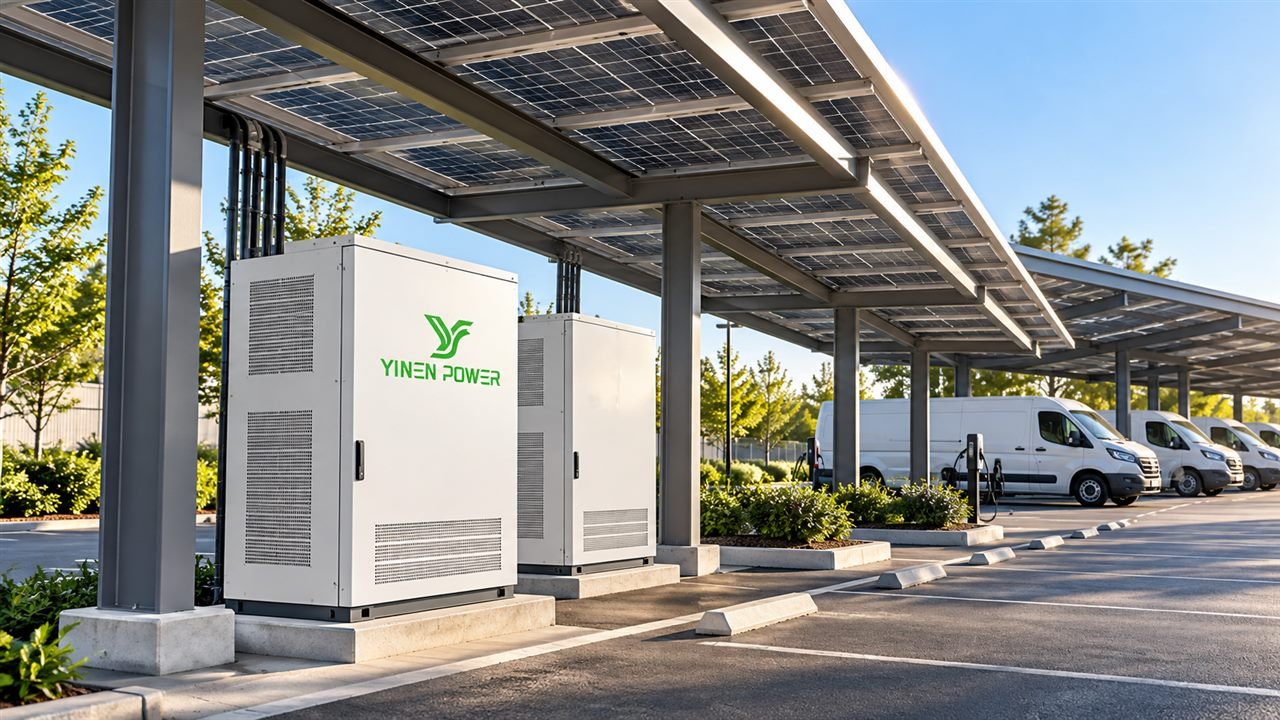
Discuss Your Commercial Battery Project with YINEN POWER
YINEN POWER can begin a configuration discussion from your intended use case, energy target, power requirement, installed equipment, and site constraints. For a useful first review, share your load objective, solar or grid connection concept, installation location, site photos or drawings, and the project scope you expect a supplier to cover.
Need a project-specific discussion? Contact YINEN POWER about your commercial energy-storage project →
Frequently Asked Questions
How much does a 100kWh commercial battery system cost?
The answer depends on the proposed power rating, system architecture, installation environment, integration scope, site work, delivery terms, and commissioning responsibilities. Request a project-specific quotation with an itemized scope rather than relying on a generic published price.
Does a 100kWh battery system include an inverter or PCS?
Not always. Some quotations cover battery storage equipment only, while others include power conversion and controls. Confirm the complete equipment list and the system boundary in writing.
What information is needed for a commercial BESS quotation?
Provide the project objective, required energy and power, expected operating behavior, existing electrical equipment, site location and constraints, installation environment, and the services you expect the supplier to include.