Commercial and industrial energy storage uses batteries and power-conversion equipment to help a business manage when it stores and uses electricity. The point is not simply to add a battery to a site. A commercial and industrial (C&I) battery energy storage system, or BESS, should be planned around a real operating objective, site load, electrical interface, and project responsibility.
For a factory, warehouse, commercial building, solar project, or fleet-charging site, the first questions are practical: Which loads matter? When do demand peaks occur? How will solar, grid supply, generators, or charging equipment interact with the storage system? This guide provides a clear starting point for evaluating a C&I energy-storage project.
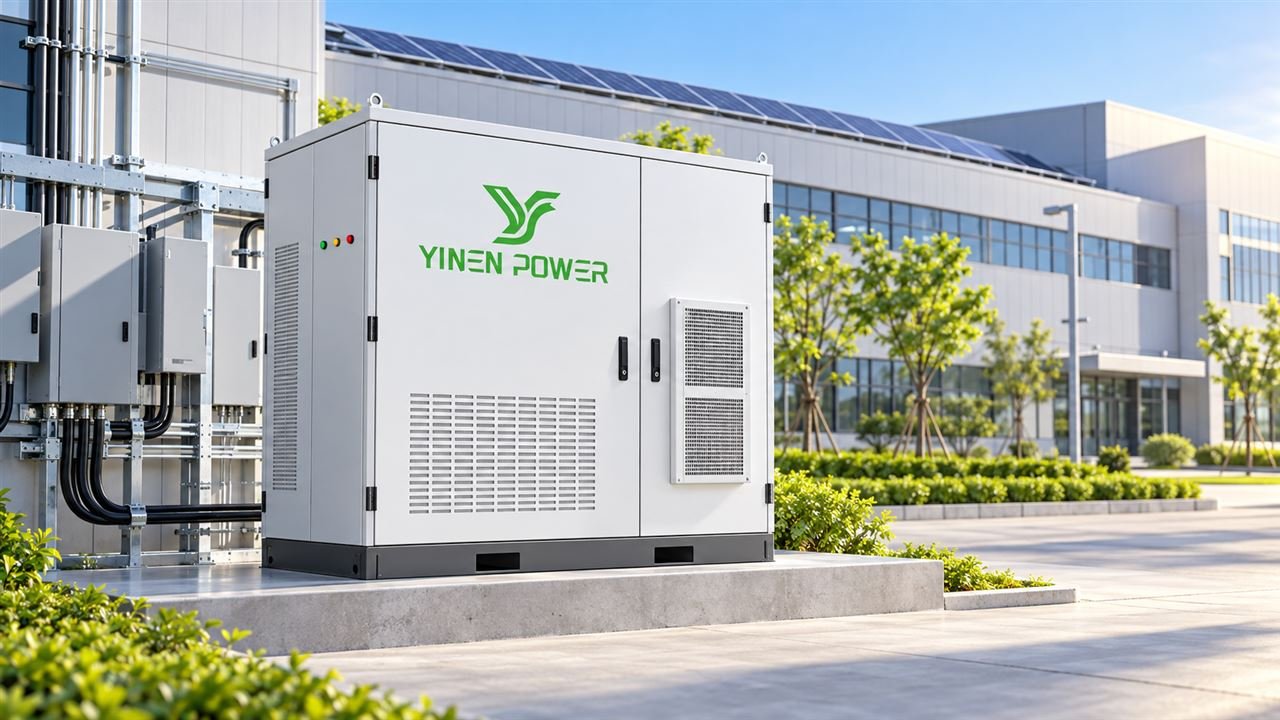
What Is Commercial and Industrial Energy Storage?
A C&I energy storage system stores electricity in batteries and delivers it through the site’s power-conversion and control equipment when the agreed operating strategy calls for it. It may be used alongside on-site solar, grid supply, generators, or commercial loads. The exact behavior depends on the system configuration and the approved project design.
Unlike a small residential system, commercial storage usually involves more interfaces: facility loads, site switchgear, protection equipment, controls, operating schedules, and installation conditions. That is why a commercial and industrial energy storage project should be evaluated as a system rather than as a battery capacity number alone.
C&I Energy Storage vs. Residential Battery Storage
| Decision area | Residential storage | Commercial and industrial energy storage |
|---|---|---|
| Primary planning focus | Household loads, solar self-consumption, home backup | Site load, operating priorities, electrical interfaces, and project scope |
| System boundary | Typically a smaller battery and compatible inverter | Battery, BMS, PCS or inverter, controls, protection, and site integration |
| Project inputs | Home circuits and planned solar equipment | Load data, connection concept, existing equipment, location, and installation constraints |
The distinction is not only physical scale. C&I BESS projects require the buyer to define who supplies, connects, configures, tests, and maintains each interface. Treating a commercial system like a larger home battery can leave important questions unanswered.
The Main Parts of a Commercial Energy Storage System
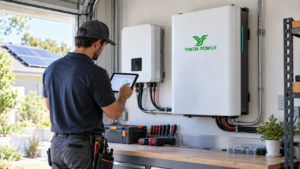
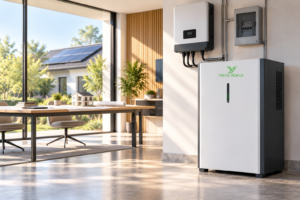
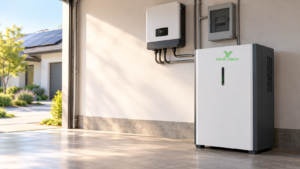
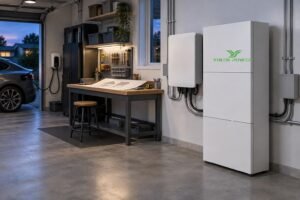
A commercial energy storage system may include battery modules or cabinets, a battery management system (BMS), a PCS or inverter, monitoring and communications, an energy-management interface, protection equipment, and the enclosure or supporting site work. Not every proposal includes every element, so the scope must be stated clearly.
- Battery and BMS: store energy and monitor the battery system within its intended operating boundary.
- PCS or inverter: manages conversion between battery-side DC and site-side AC as part of the defined architecture.
- Controls and communications: connect operating logic, monitoring, and the agreed system interfaces.
- Site integration: includes the electrical, civil, protection, installation, and commissioning work assigned in the project scope.
Before accepting a quotation, request current model documents, a functional or single-line diagram, included items, exclusions, and the responsible technical contact. The U.S. Department of Energy’s BESS Procurement Checklist is a helpful independent reference for early commercial-scale project questions.
Where C&I BESS Can Support Business Operations
Commercial battery storage can be considered where a site has a clear operational need: a factory with a measured demand pattern, a warehouse with solar generation, a retail facility that needs a defined resilience plan, or a fleet site coordinating charging with available electrical capacity. The application for commercial and industrial energy storage must be confirmed from the site data rather than assumed from the sector name.
For example, a facility manager may see a short, repeatable peak in interval data. The relevant next step is not to choose a cabinet from a catalogue; it is to verify the peak’s timing, load source, duration, connection limits, and the control approach. That information determines whether storage is a suitable option and what configuration should be reviewed.
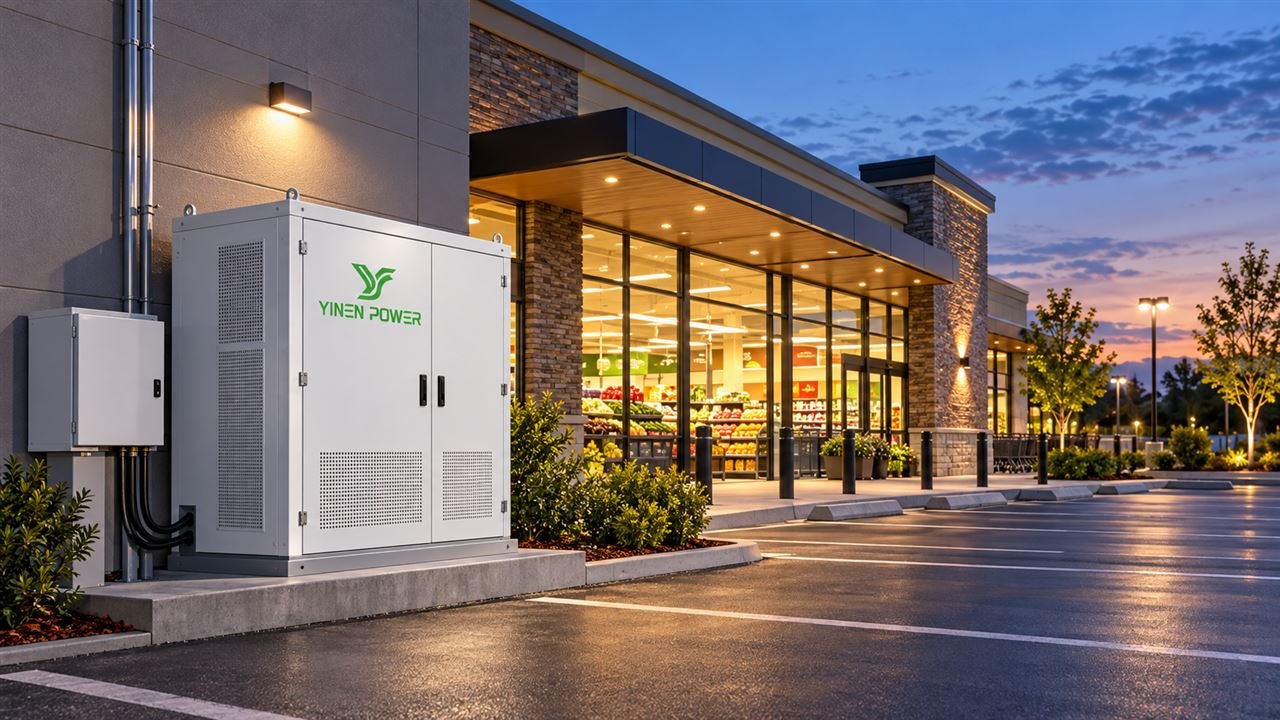
Start with the Operating Objective, Not a Battery Size
Define the result the project needs to achieve before discussing capacity. Common objectives include coordinating solar self-consumption, managing a known load pattern, supporting selected loads under a defined scenario, or shaping the interaction between site demand and charging equipment. Do not assume any outcome until the site’s operating conditions and local requirements have been reviewed.
YINEN’s industrial energy-storage planning guide can help a team frame the operating questions behind a commercial project. For a general introduction to the broader system concept, see what a BESS is and how its components work together.
Site Data to Gather Before Sizing a Commercial Energy Storage System
- Describe the operating objective and the loads it relates to.
- Provide available interval load data and information about solar, generators, or charging equipment.
- Identify the intended installation area, access constraints, and electrical connection point.
- Share available single-line diagrams, site photos, layouts, and planned expansion requirements.
- Clarify which parties own engineering, installation, interconnection, commissioning, and handover.
A useful technical discussion begins when these inputs are available. They allow a supplier and project team to ask the right questions about power, energy, controls, equipment interfaces, and site preparation without pretending that one standard solution fits every facility.
Project Questions to Verify Before Procurement
Confirm the exact equipment models, required documentation, installation environment, system boundary, and current project requirements before placing an order. Local authorities, utilities, insurers, engineers, installers, and the project owner may all have separate responsibilities. A general marketing statement is not proof that a particular commercial and industrial energy storage configuration is appropriate for a specific site.
Also agree how commissioning, controls integration, testing, operating handover, and ongoing support will be coordinated. A clear responsibility matrix can prevent gaps between equipment supply and a functioning site system.
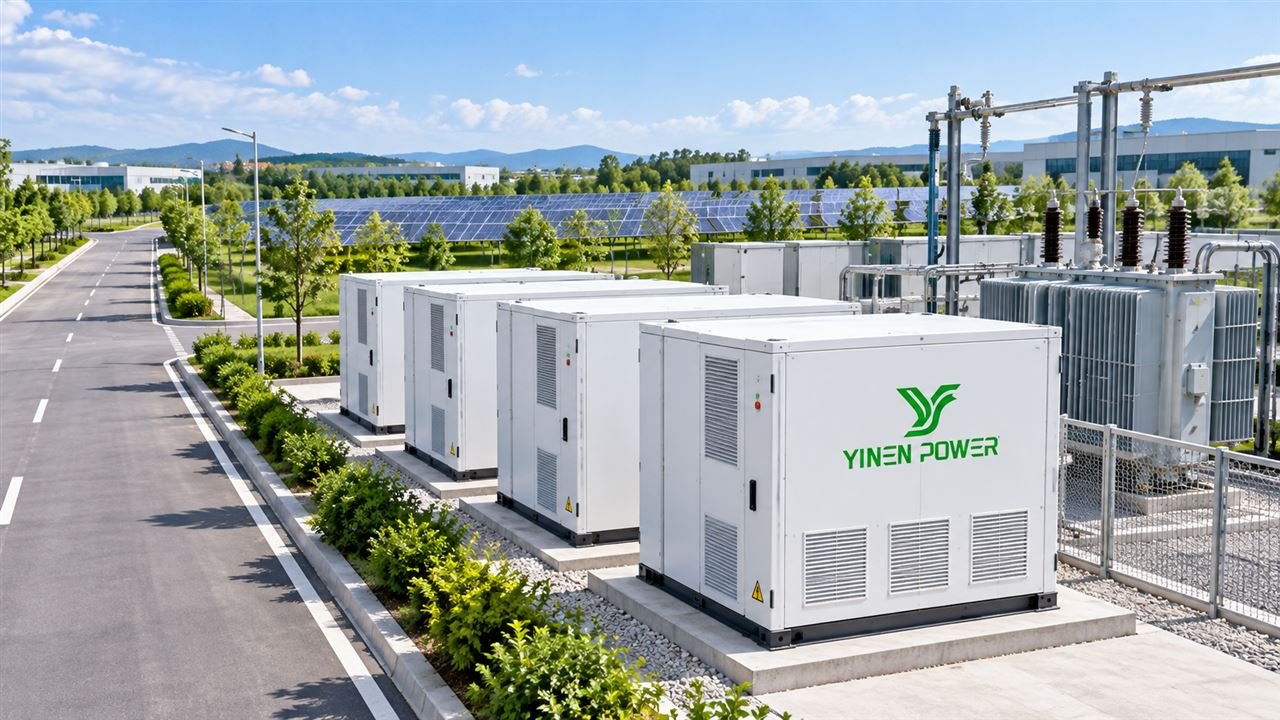
Discuss a C&I Energy Storage Project with YINEN POWER
YINEN POWER can start with your application, power and energy target, existing equipment, intended installation environment, and required scope. Share the site objective, available drawings or photos, connection concept, and any project constraints so the discussion can focus on an appropriate configuration and the items that need project-specific confirmation.
Planning a commercial energy-storage project? Contact YINEN POWER to discuss your requirements →
Frequently Asked Questions
What is commercial and industrial energy storage?
Commercial and industrial energy storage is a battery-based system planned for business or industrial sites, together with the power-conversion, controls, protection, and site interfaces required for the defined application.
How do I size a C&I energy storage system?
Start with the operating objective, interval load data, power requirement, expected duration, existing equipment, installation constraints, and the system boundary. A project-specific review is needed before choosing equipment.
What should I request from a C&I BESS supplier?
Request exact model documents, a clear scope table, functional diagrams, compatibility information, exclusions, required site work, and a named process for technical clarification and commissioning coordination.