Rechargeable lithium batteries are widely used in solar storage, but the right choice is not defined by the battery label alone. A dependable system must coordinate battery capacity, inverter power, controls, protection and the loads the site needs to support.
This buyer guide explains what to check before choosing a rechargeable lithium battery system for residential or small commercial solar storage. It avoids one-size-fits-all claims and focuses on questions that can be verified in the final design.

What Are Rechargeable Lithium Batteries?
Rechargeable lithium batteries are secondary batteries designed to store energy and be charged again within a controlled electrical system. They are different from primary lithium batteries, which are not designed for repeated recharging. In solar storage, the battery works with an inverter and protection equipment rather than operating as an isolated product.
Why Battery Chemistry Is Only One Part of the Decision
Battery chemistry may influence the system design, but it does not replace project planning. Buyers should confirm the required usable energy, power demand, operating schedule, installation environment and the equipment responsible for charging, discharging and monitoring.
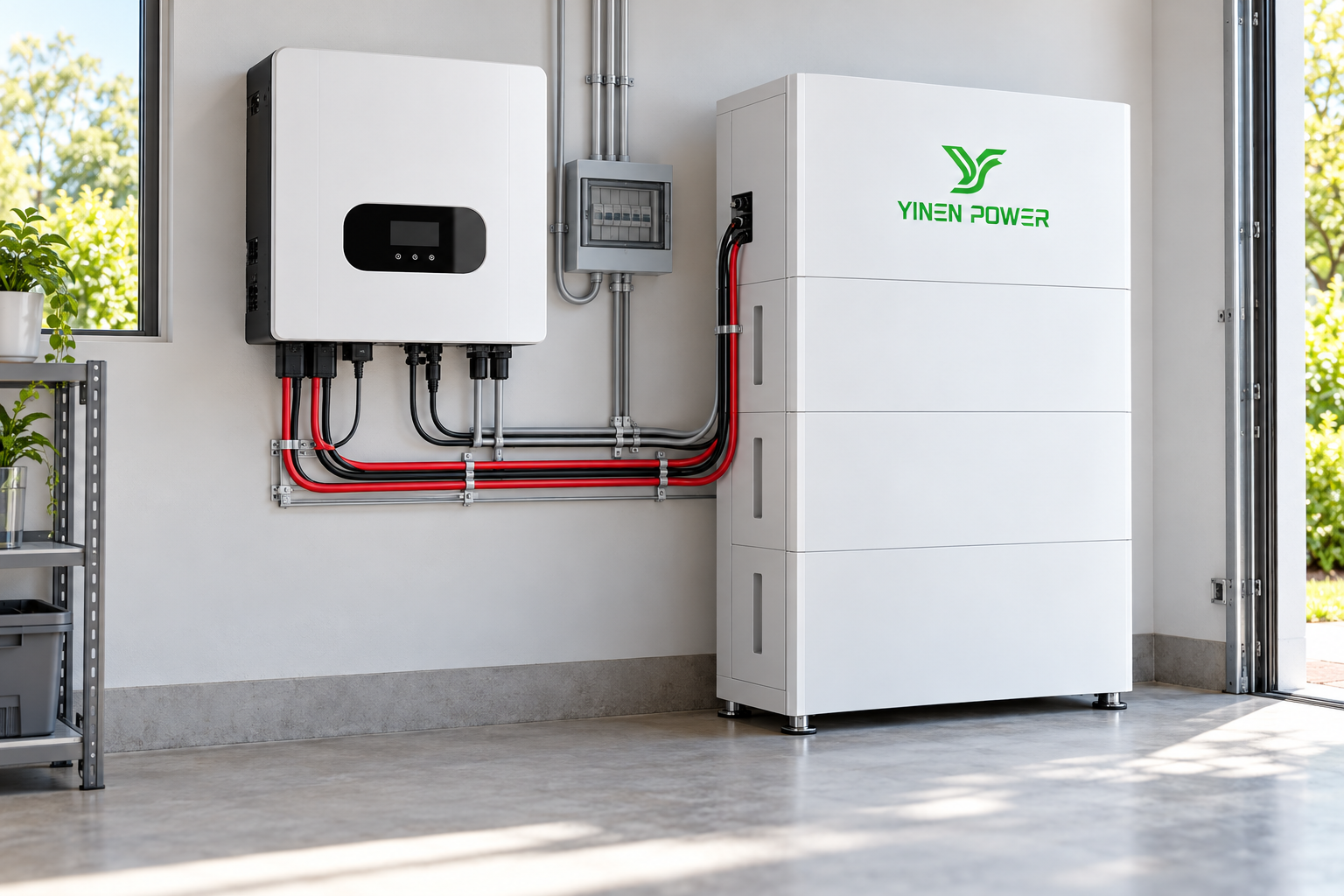
What to Check in a Solar Storage System
- Priority loads and their expected operating window.
- Required inverter power and starting-load behavior.
- Battery capacity, expansion plan and physical installation space.
- Battery-to-inverter communication and protection arrangement.
- Site conditions, local requirements and service responsibilities.
Benefits and Boundaries for Solar Storage Buyers
Rechargeable lithium batteries can help a system store solar energy for later use, support selected loads during an interruption or follow a planned energy schedule. Actual results depend on the system configuration, site data and controls. They should not be presented as a fixed runtime or cost-saving promise before the final project scope is known.
| Buyer question | Why it matters | What to confirm |
|---|---|---|
| What must stay powered? | Sets the backup plan | Critical-load list and duration |
| How much power is needed? | Links the battery to inverter selection | Concurrent and surge loads |
| How will solar be used? | Defines charging and discharge strategy | PV profile and operating modes |

Choose the Installation Format Around the Site
Wall-mounted, stacked, rack-mounted and floor-standing formats can suit different layouts. YINEN POWER’s Residential Battery Storage range provides multiple installation directions; confirm the exact model and compatibility before ordering.

Seven Questions Before Requesting a Quote
- Which loads are essential?
- What power is required at the same time?
- What solar generation is available?
- Is grid backup part of the plan?
- Where will the system be installed?
- What equipment is included?
- Which local requirements must be confirmed?
Document the Operating Profile Before You Compare Quotes
Before comparing proposals, document the expected operating profile: priority-load list, typical hours of support, simultaneous appliances, solar generation pattern and any planned expansion. This turns a broad question about rechargeable lithium batteries into a design brief that suppliers can answer consistently. It also makes it easier to identify whether a quoted system includes the battery, inverter, protection devices, commissioning and monitoring.
For broader background on how energy storage supports the electricity system, review the U.S. Department of Energy energy storage overview. For a site-specific solar storage project, confirm the applicable electrical requirements and final equipment selection with the responsible installer before ordering. Record the planned service access, shutdown procedure and future maintenance responsibilities as part of the final scope.
Plan the System Around the Real Job
The best rechargeable lithium battery system is the one whose energy, power and controls fit the intended job. Contact YINEN POWER with your load profile, solar plan and backup priorities for a project-specific discussion.