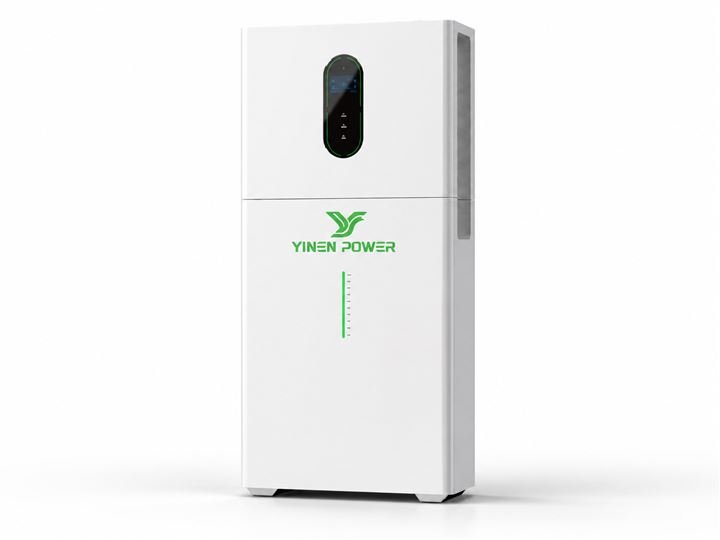
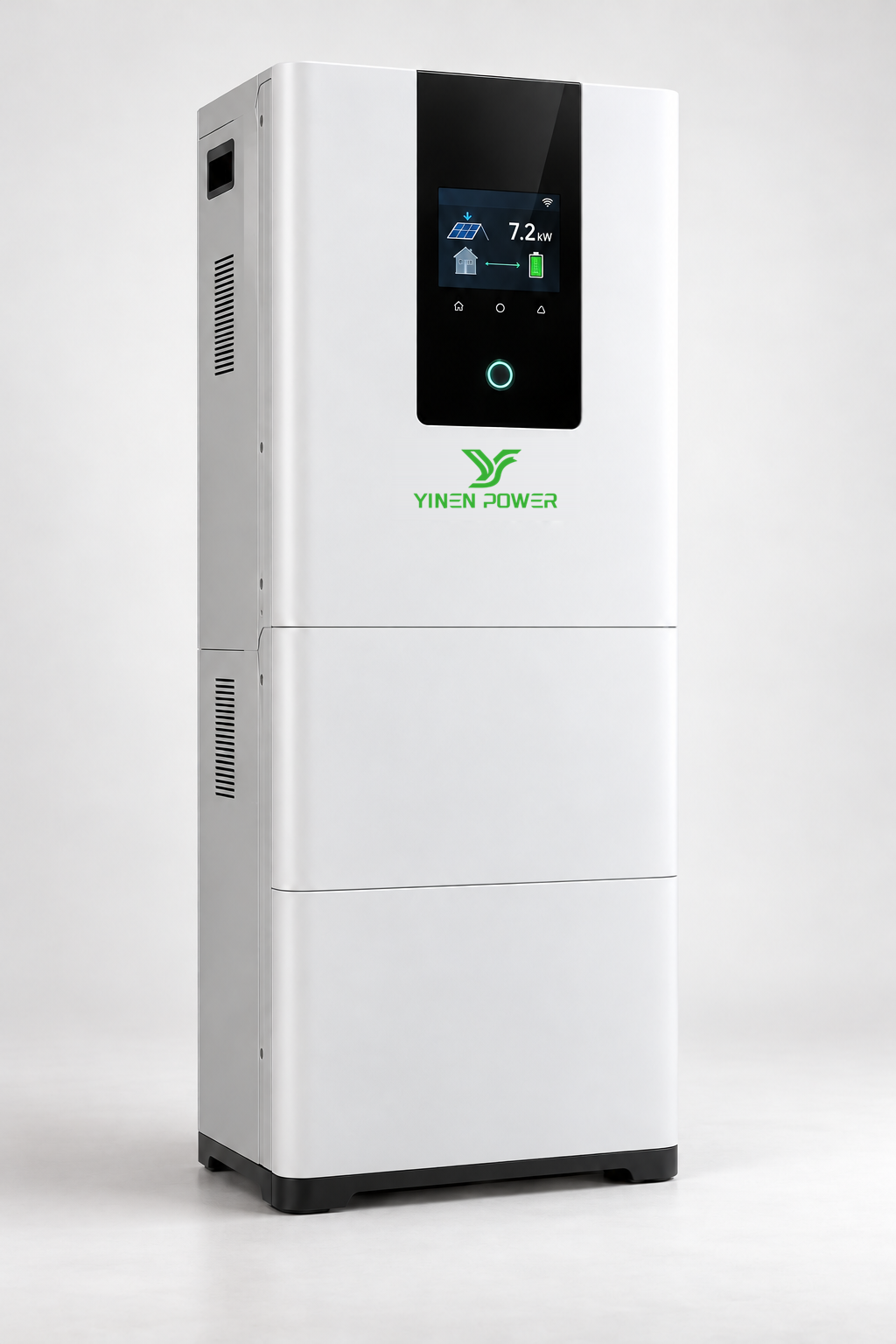
A commercial battery energy storage system should be selected around the job it must perform—not around a catalogue capacity alone. Whether a site needs to manage short demand peaks, use more on-site solar, support essential loads, or plan for future electrification, the project team needs a clear operating brief before comparing equipment.
This guide gives businesses, EPC teams and facility managers a practical procurement checklist. It focuses on the information that makes commercial BESS quotations comparable: load data, power and energy requirements, integration scope, installation conditions and responsibilities at handover.
Start With the Business Objective
Commercial storage projects can have different priorities. A warehouse may need to limit brief demand spikes; a solar-equipped facility may want to shift part of its daytime generation; and a site with critical equipment may need a defined backup strategy. Each goal changes the way a commercial battery energy storage system should be evaluated.
Write the priority in one sentence before requesting a quotation. Then prepare the operating data that supports it:
- interval load data or a representative load profile;
- utility bill structure and applicable tariff periods;
- existing and planned solar PV information;
- critical-load list, required operating window and restart needs;
- available installation location, electrical interfaces and planned expansion.
For early-stage planning, a commercial battery energy storage system should also be reviewed against local utility rules and engineering requirements. The U.S. Department of Energy energy storage resources can help teams frame questions for qualified local professionals.
Size Power and Energy Together
Power and energy answer different questions. Power indicates how much electrical demand the system must support at a given time; energy indicates how long the planned discharge can continue. A large energy figure does not automatically mean that the required instantaneous load or starting behavior can be supported.
For example, a project designed for short demand-management events may need a different power-to-energy balance from a project intended to shift solar generation into the evening. Use the facility profile to test the expected duty cycle rather than selecting the largest nominal capacity.
| Buyer question | Data to review | Design decision it informs |
|---|---|---|
| What must the system do? | Demand peaks, solar profile or backup priorities | Operating mode and dispatch logic |
| How much power is required? | Concurrent loads and motor or equipment behavior | Power conversion and electrical interface scope |
| How long must it operate? | Event duration and recharge opportunity | Usable energy and operating schedule |
| What may change later? | New loads, PV expansion or charging infrastructure | Expansion and site-layout plan |
Choose the System Architecture Around the Site
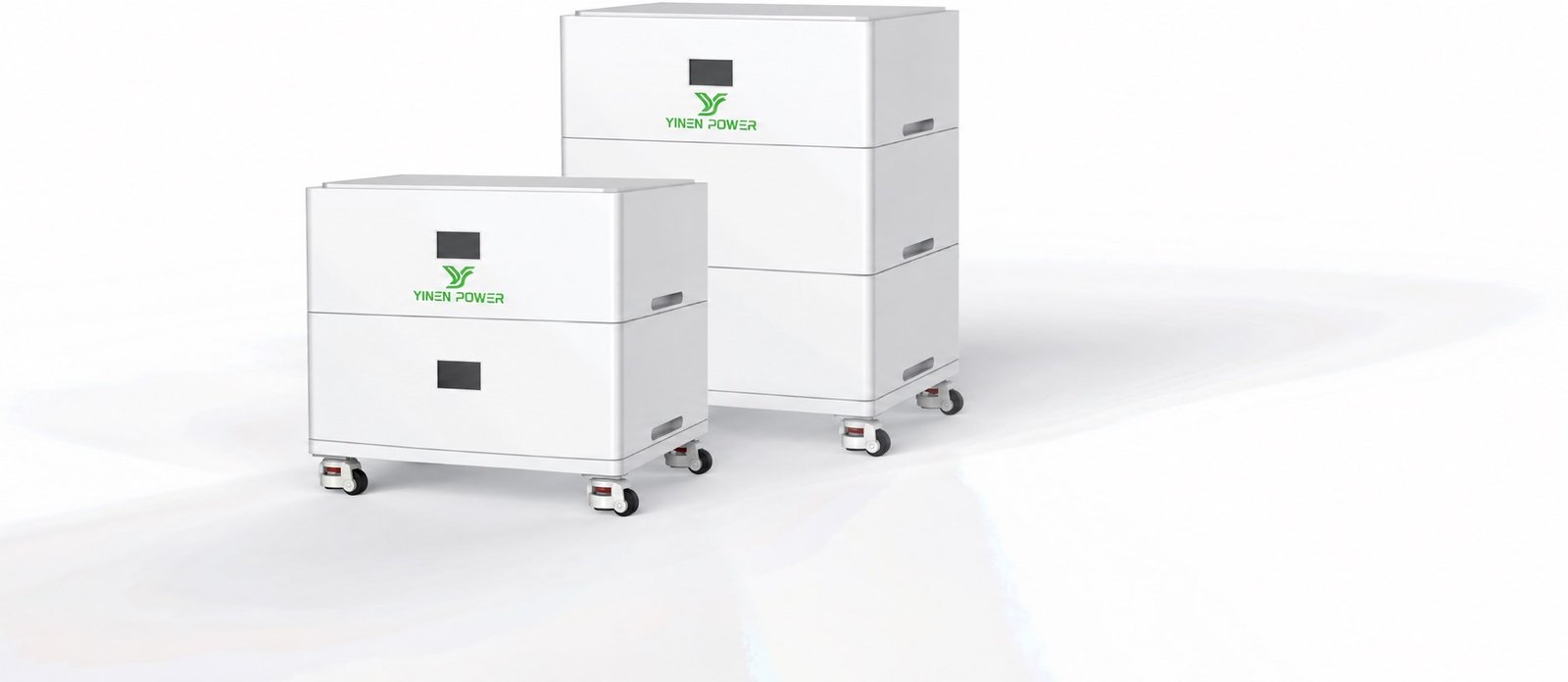
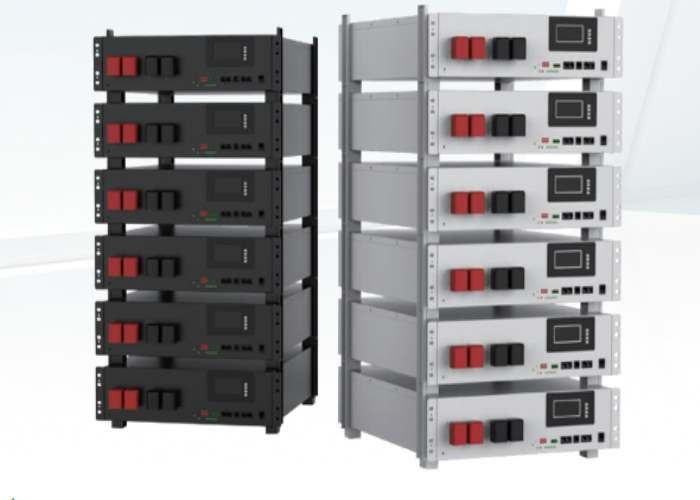
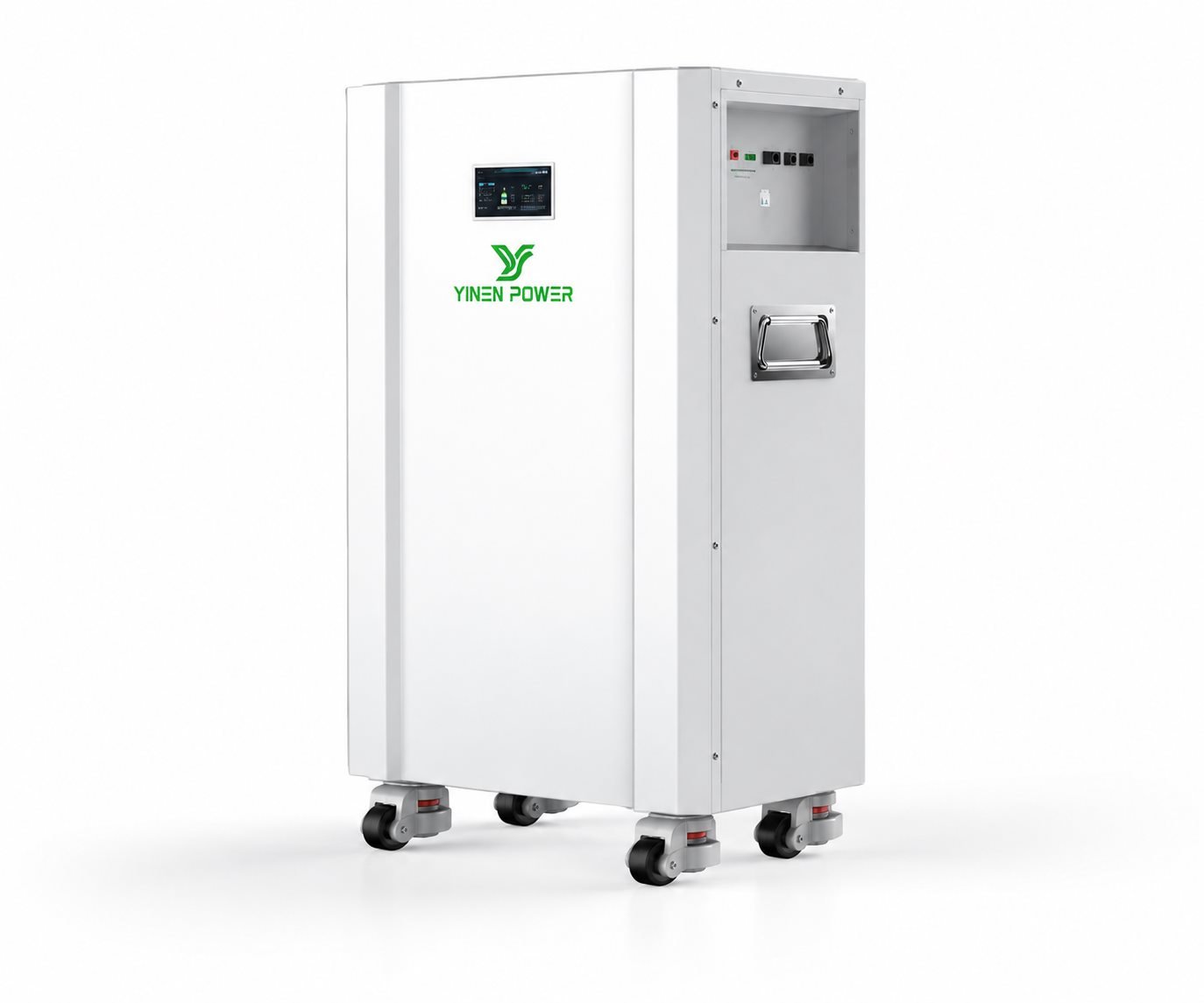
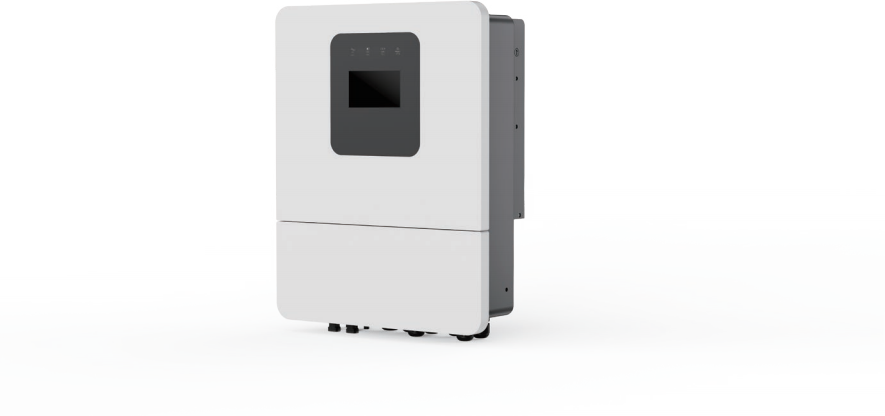
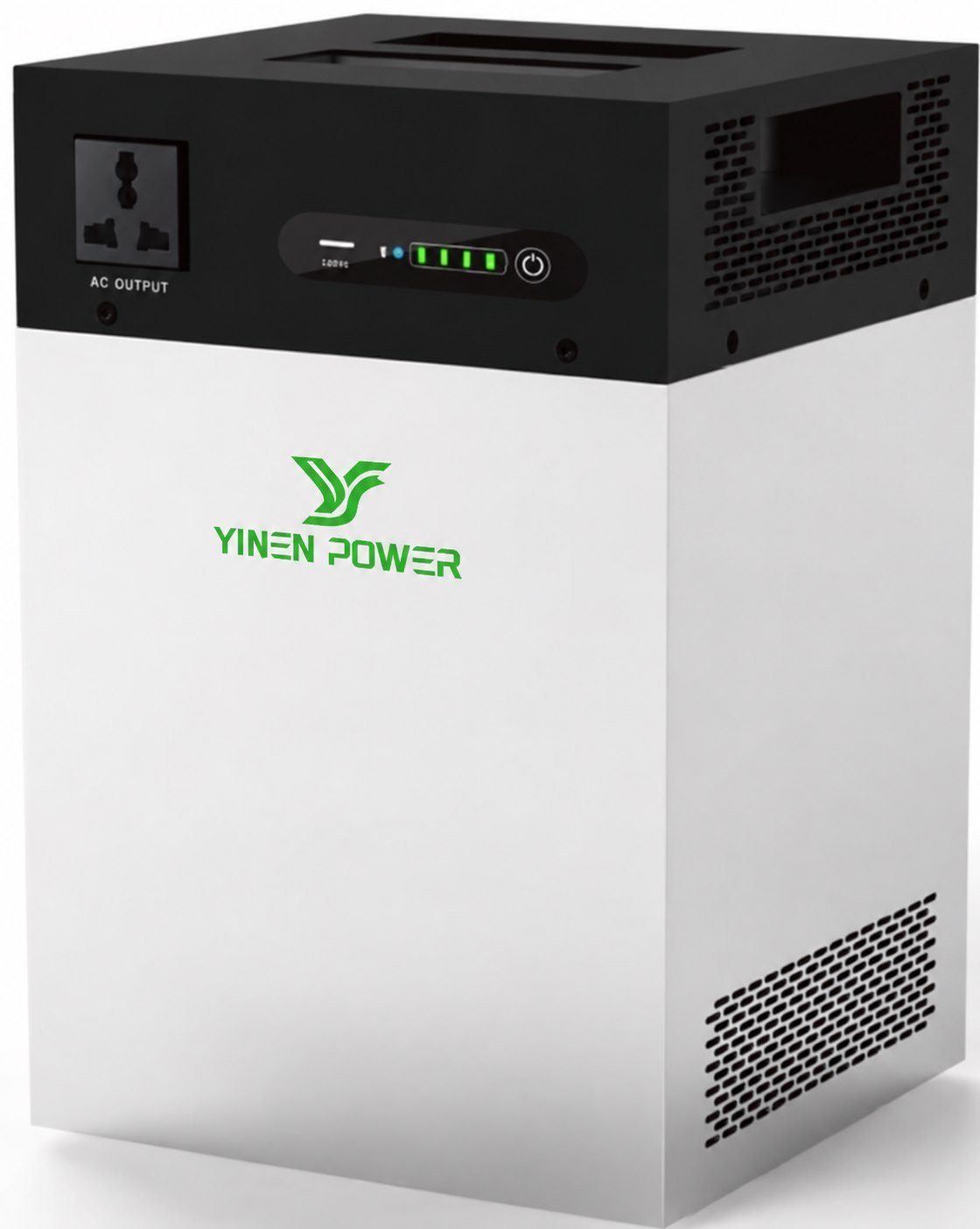
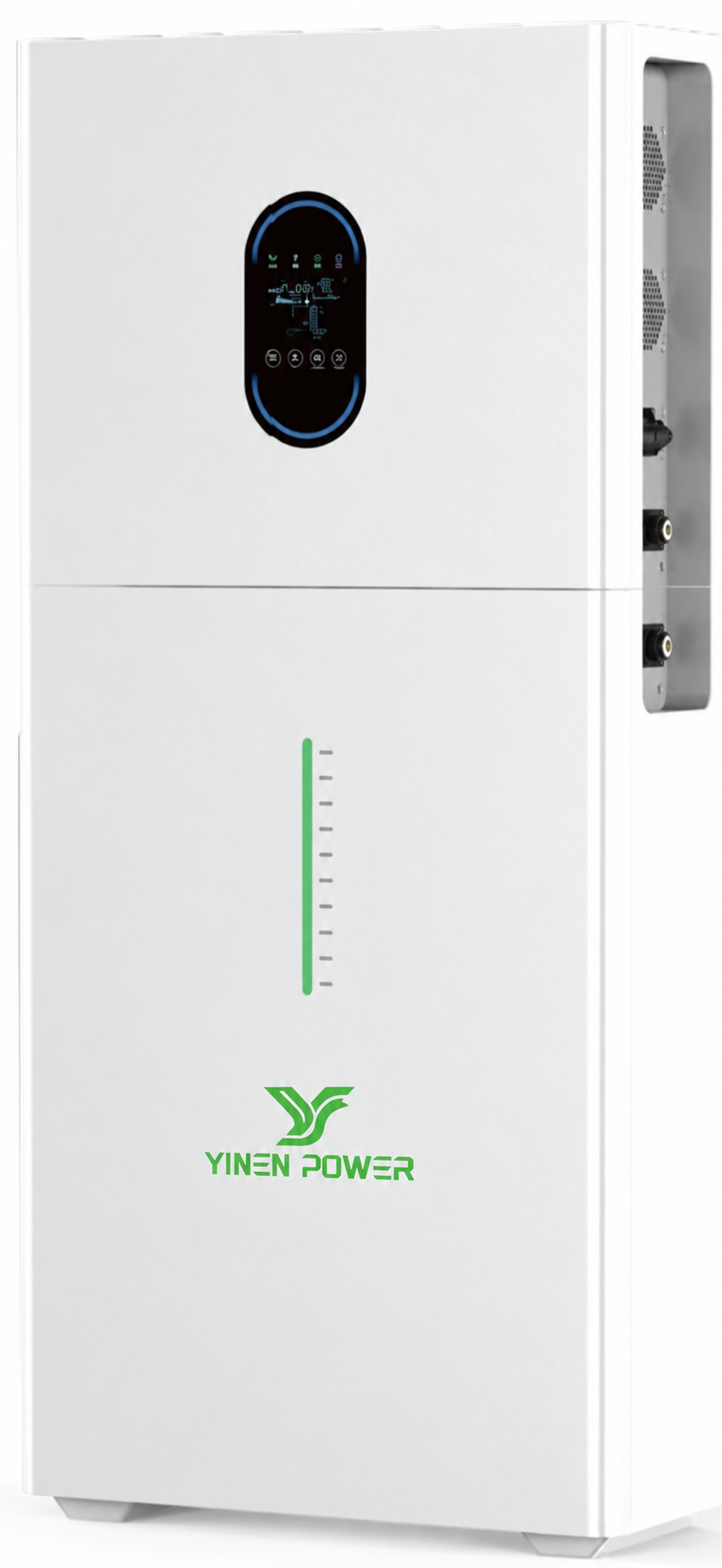
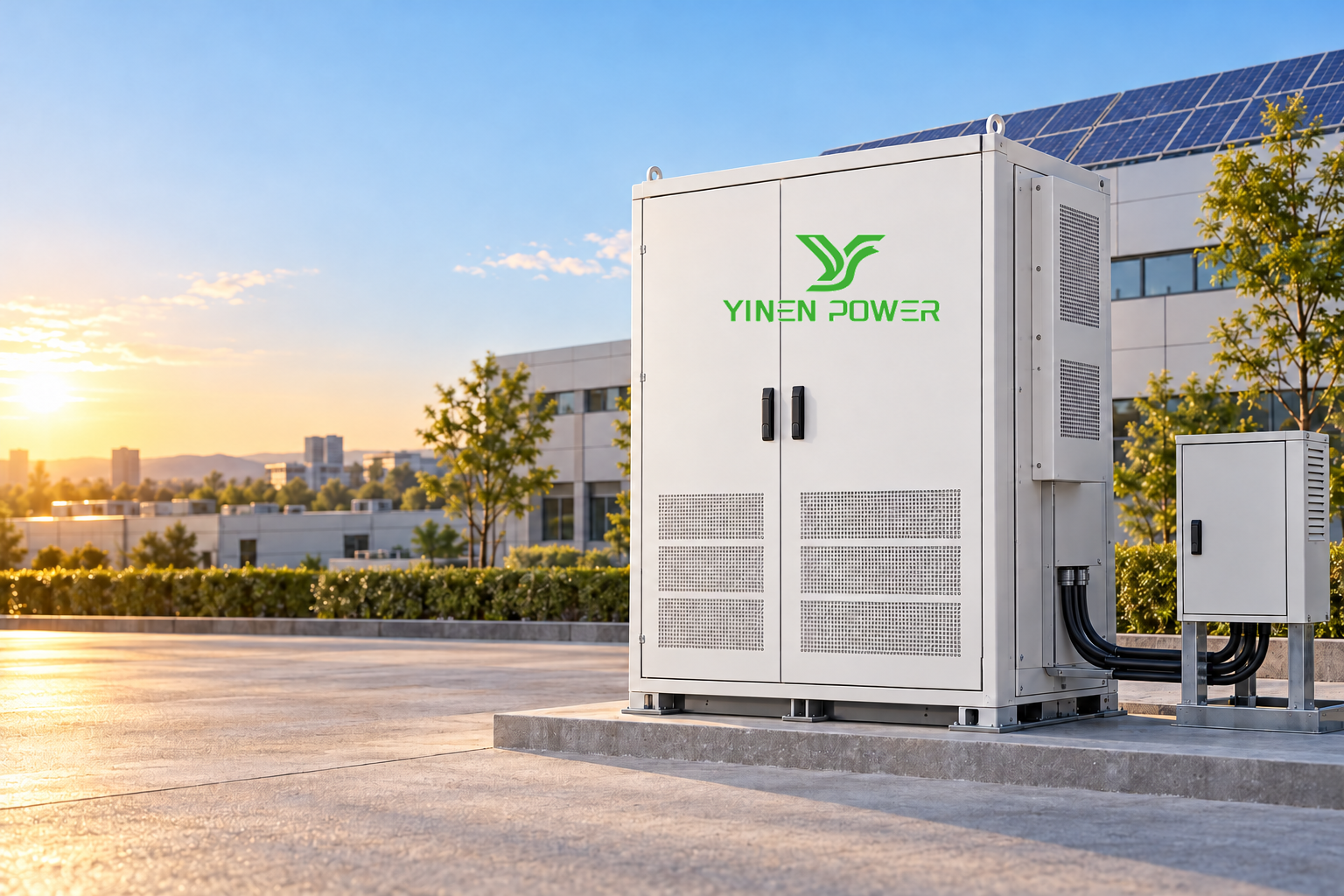
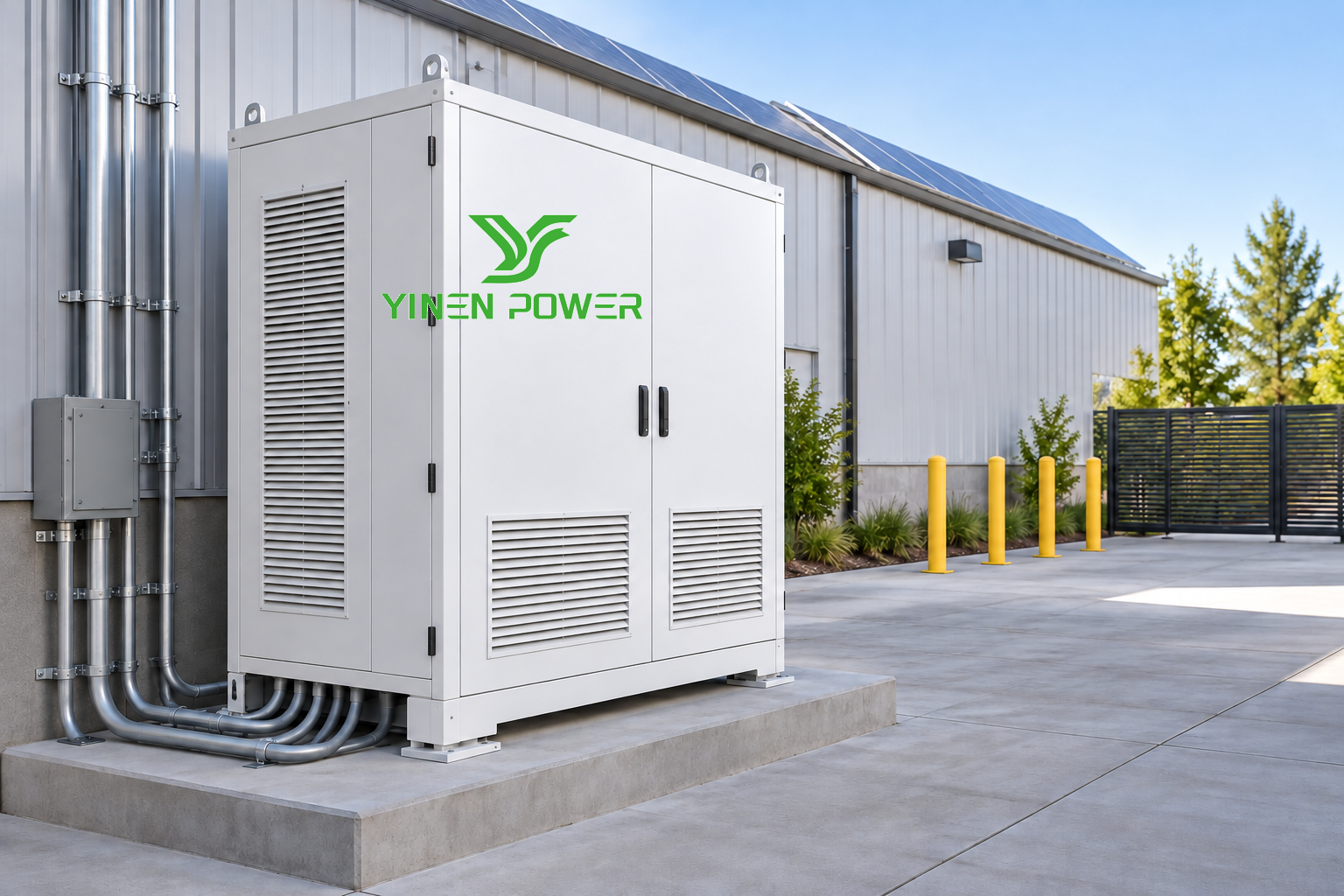
Commercial BESS architecture should reflect the installation environment, access route, electrical room arrangement and maintenance plan. A cabinet-based system can suit distributed commercial locations where footprint and installation workflow matter. Larger or more complex projects may require a different arrangement, but the exact system boundary should be confirmed after site review.
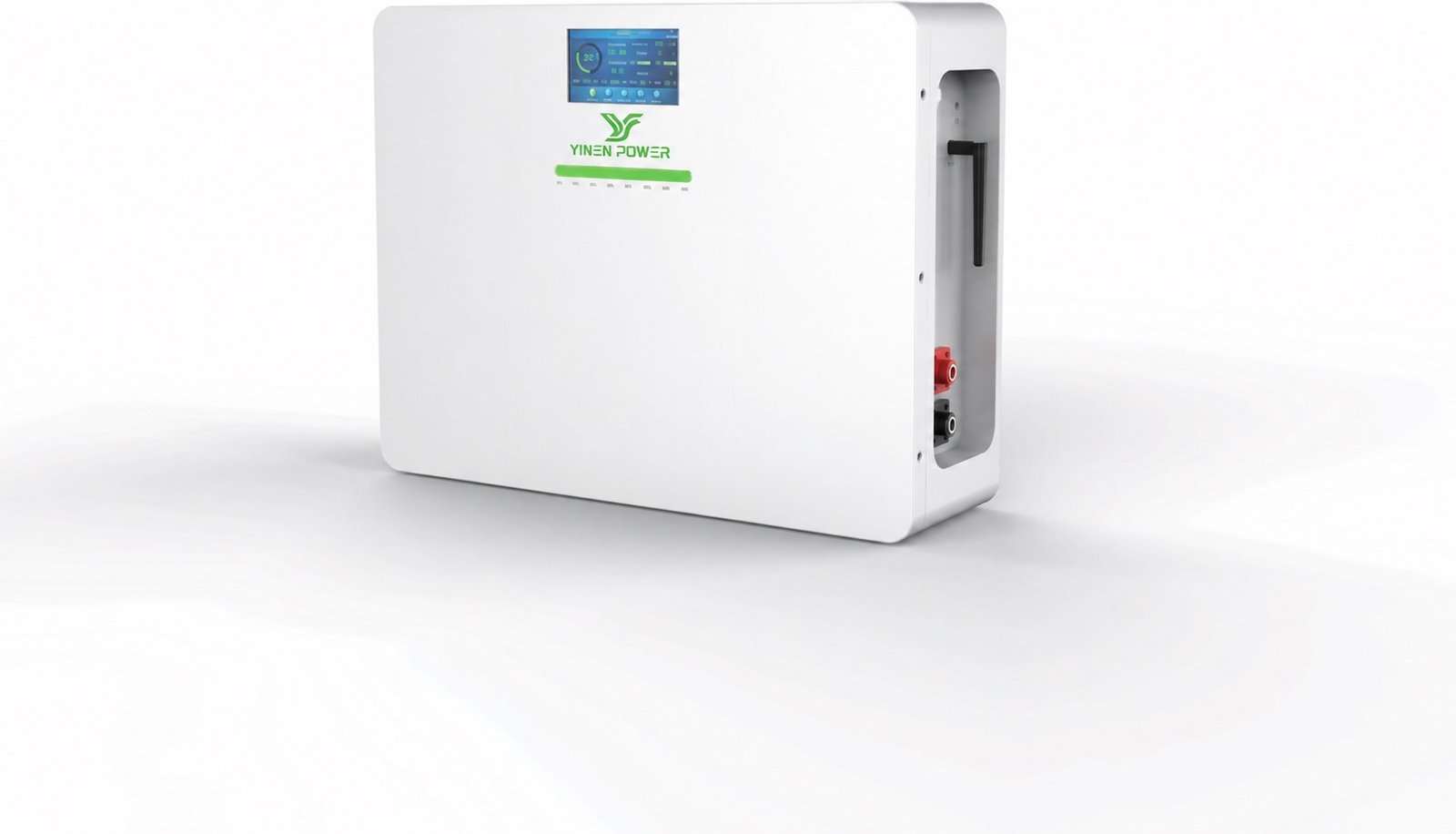
YINEN POWER offers both liquid-cooled commercial and industrial energy storage cabinets and air-cooled commercial and industrial energy storage directions. Confirm the exact model, environmental suitability and project interfaces before making a commercial commitment.
Verify the Integration Scope
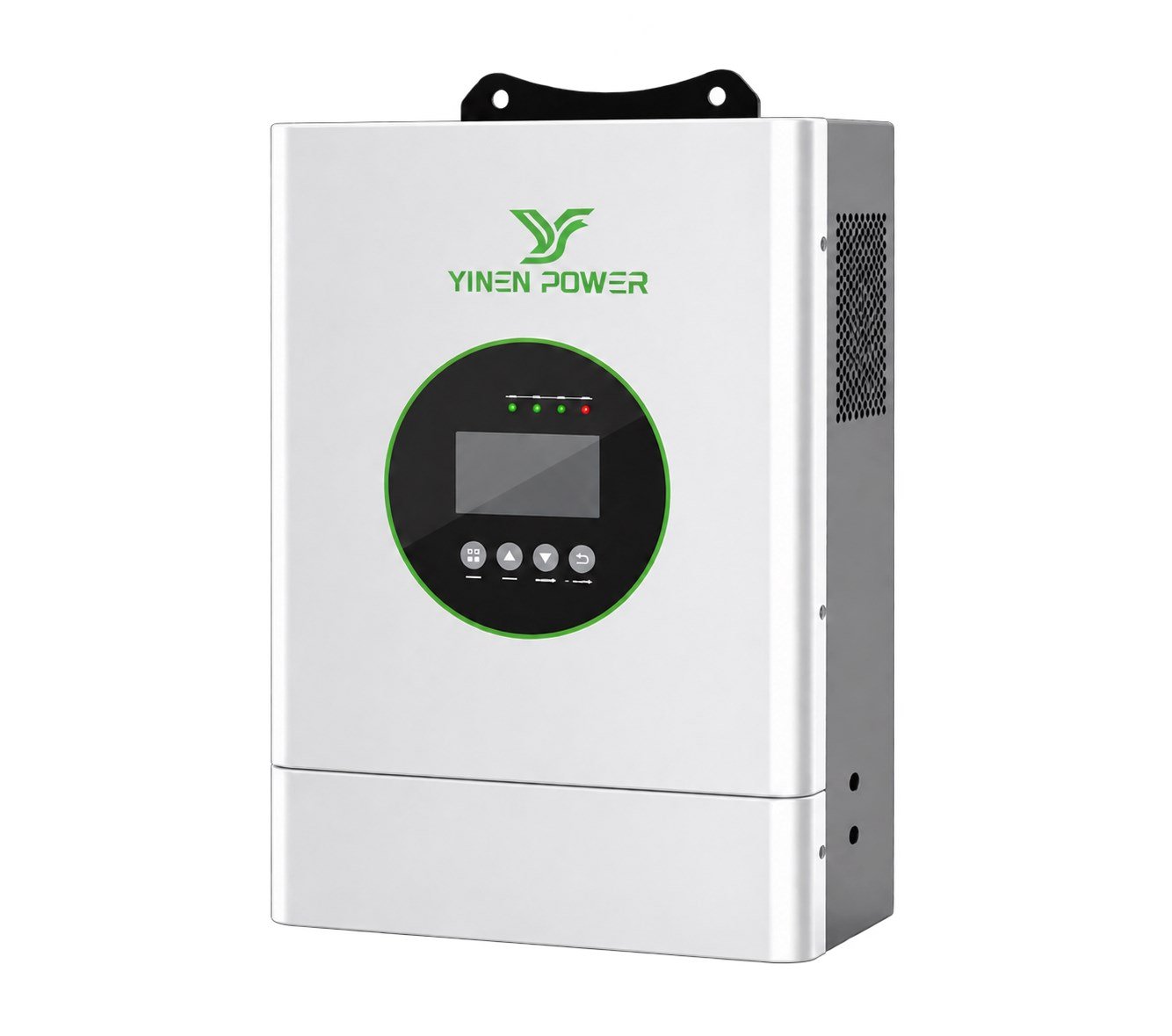
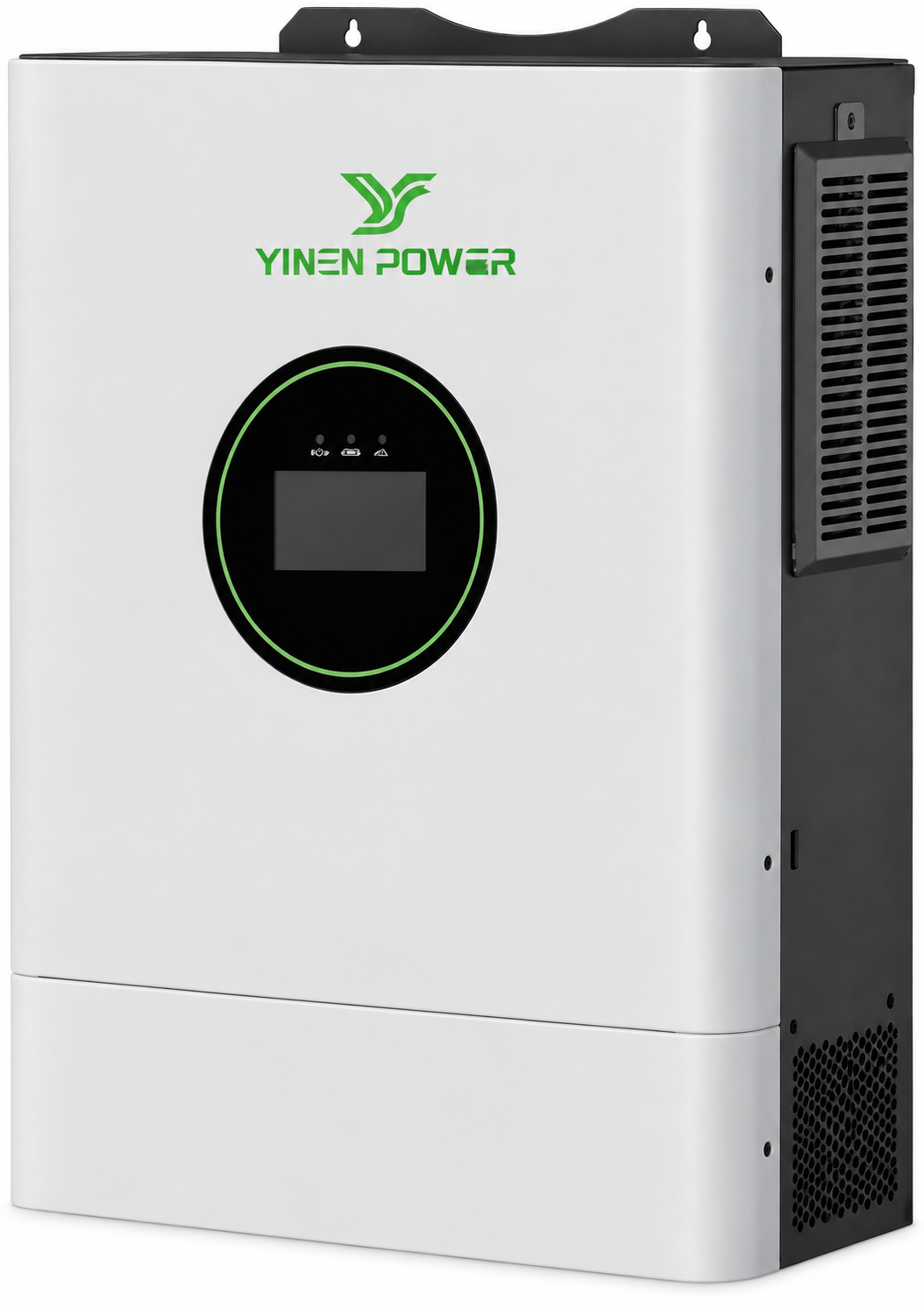
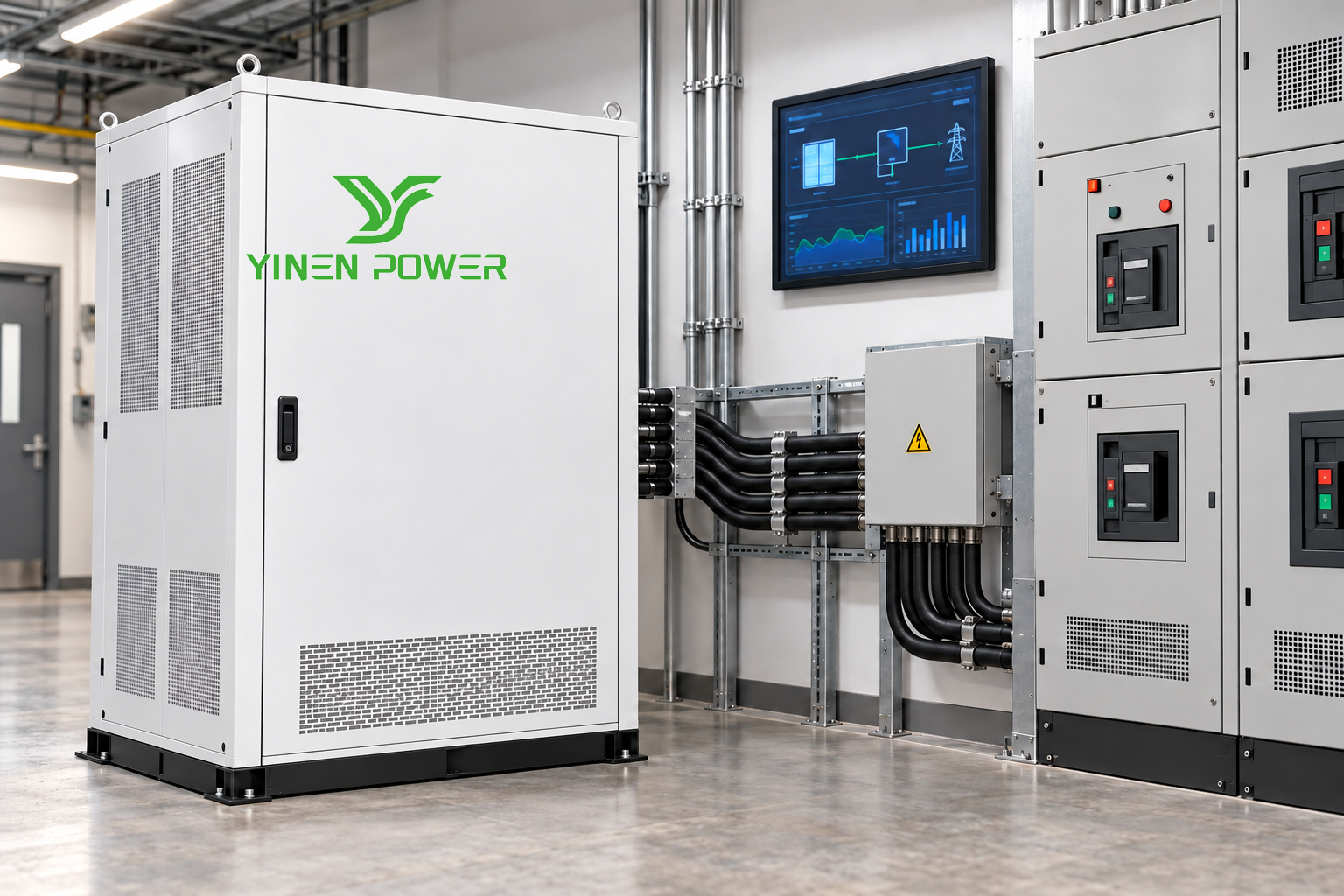
A commercial battery energy storage system is an integrated project, not only a battery enclosure. The proposal should identify how battery management, power conversion, energy-management controls, protection equipment, communications, metering and the site electrical system will be coordinated.
Ask the supplier or project team to state what is included, what the site must provide and who is responsible for commissioning each interface. This prevents a quotation from appearing complete while key controls, civil works, electrical connections or monitoring responsibilities remain outside the stated scope.
Plan Cooling, Access and Service Before Ordering
Thermal management and physical access affect both the installation layout and the future service plan. Rather than assuming one cooling approach is right for every facility, review climate, operating duty, enclosure location, clearance, access route and maintenance expectations with the project engineering team.
The same review should cover cable routing, foundation or mounting requirements, access for installation and safe shutdown procedures. These are site-specific matters; confirm them in the final design and according to the requirements that apply at the project location.
Compare Quotations by Scope, Not Price Alone
Use a single comparison sheet for every proposal. This makes gaps visible and helps the team distinguish comparable equipment from a different project scope. Your comparison should include:
- the intended operating objective and assumptions behind the sizing;
- the listed equipment and electrical interfaces;
- controls, monitoring and commissioning responsibilities;
- civil, installation, transport and site-preparation boundaries;
- documentation, training, service process and change-control assumptions.
Use a Pre-Purchase Acceptance Checklist
Before placing an order, make sure the business objective, load data, site layout, equipment boundary and responsible parties are documented. If a value or interface cannot yet be confirmed, treat it as an open project item—not as an assumed inclusion. That discipline makes a commercial BESS project easier to evaluate and hand over.
Plan the Next Project Discussion
YINEN POWER can discuss a project using your available load profile, solar plan, preferred operating objective and site constraints. Contact YINEN POWER to start a project-specific commercial battery energy storage system conversation.