A 1 MW solar plant planning exercise is not a single equipment calculation. It connects the PV array, inverter capacity, grid connection, operating goal and—when required—battery storage. Before asking suppliers for a quotation, project teams need enough site data to distinguish a preliminary concept from a buildable design.
This guide gives EPC teams, commercial buyers and facility owners a practical sequence for defining a 1 MW solar project. It does not use a household-equivalent number as a design shortcut; the useful inputs are the project load profile, solar resource, interconnection boundary and operating objective. For an early solar-resource screening step, the NREL PVWatts Calculator can support a preliminary estimate before site-specific engineering is completed.
Use This 1 MW Solar Plant Planning Checklist Before Design Freeze
State what “1 MW” refers to in your project brief. It may describe a target AC export limit, a nominal inverter output, a DC array size, or a battery power rating. These values can be related, but they are not interchangeable. Write the measurement point and operating condition beside every power figure before comparing proposals.
For a commercial site, also define whether the project is intended for self-consumption, peak-demand management, export, backup support or a phased solar-and-storage rollout. This prevents an early equipment list from being treated as a final electrical design. A disciplined 1 MW solar plant planning process records these decisions before module counts or equipment packages are presented as final.
Estimate PV Module Quantity with a Transparent Assumption
Module quantity is a useful early check, not a procurement specification. Divide the planned DC capacity by the nameplate wattage of the selected module family, then round only after the site layout, string design and inverter configuration are reviewed.
| Planning input | What it helps estimate | What must still be verified |
|---|---|---|
| Target DC capacity | Initial PV array scale | AC connection limit and design ratio |
| Module nameplate power | Approximate module count | Current datasheet, dimensions and electrical characteristics |
| Available roof or ground area | Possible layout envelope | Setbacks, shading, access and structural conditions |
| Inverter configuration | String grouping and AC conversion path | Voltage window, protection and local grid requirements |
For example, a preliminary brief can show the proposed DC capacity and the module wattage assumption used for an estimate. It should not present a rounded module count as guaranteed until the detailed layout and approved component data are available.
Match Inverter Capacity to the AC Interface
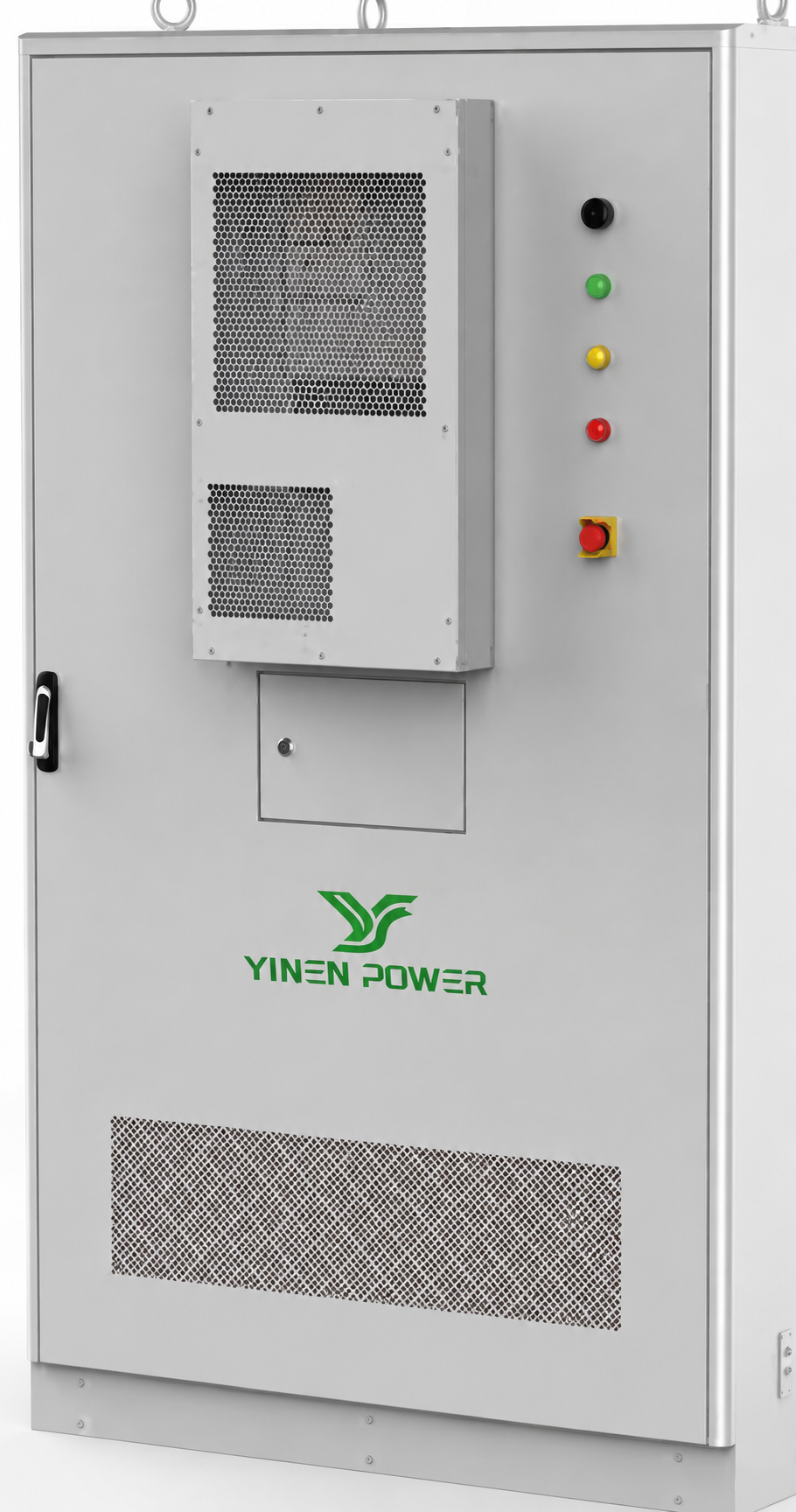
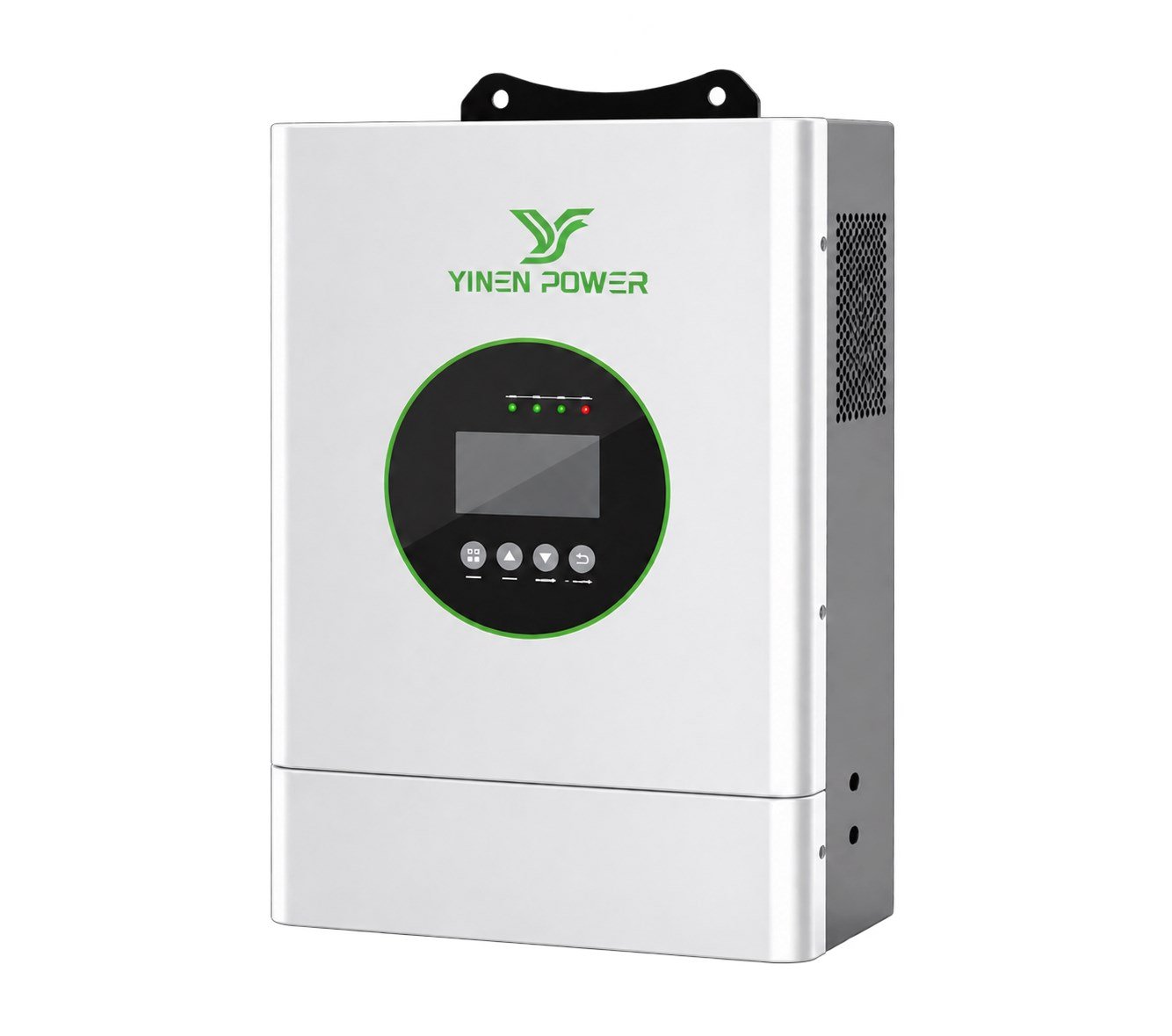
Inverter selection begins with the AC side: point of connection, voltage level, export rule, transformer arrangement, protection scheme and utility requirements. The DC array is then designed around the chosen conversion architecture and project operating strategy.
Your 1 MW solar plant planning checklist should ask where power is measured, what curtailment or export limitations apply, and how the system behaves during grid events. These answers matter more than copying an inverter ratio from a different climate, tariff or interconnection environment.
Decide Whether Battery Storage Solves a Defined Problem
A battery should be considered when the project has a defined energy-management need: shifting solar output, limiting a recurring demand peak, supporting selected loads or coordinating PV with another energy source. Battery power is commonly expressed in kW or MW, while stored energy is expressed in kWh or MWh. Both are needed to describe the operating window.
A simple planning relationship is runtime (hours) ≈ usable energy (MWh) ÷ discharge power (MW). It is only an initial check because usable operating range, conversion losses, auxiliary loads, controls and site constraints affect the result. For a separate explanation of runtime inputs, see YINEN POWER’s commercial battery runtime guide.
Check the Site Layout Before You Promise a Capacity
Roof geometry, shading, fire-access routes, maintenance clearances, cable paths and equipment access can change the feasible arrangement. Ground-mounted projects introduce further constraints such as grading, drainage, setbacks and grid-route length. Use a preliminary layout to test assumptions early, rather than treating area alone as proof of capacity.
- Record the site address, coordinates and available drawings.
- Identify roof zones, obstructions, structural limits and access routes.
- Confirm the proposed point of connection and the required utility process.
- Map major loads, interval data and any future expansion.
- Separate equipment supply, civil work, electrical work and commissioning in the RFQ.
Build a Cleaner Solar-and-Storage RFQ
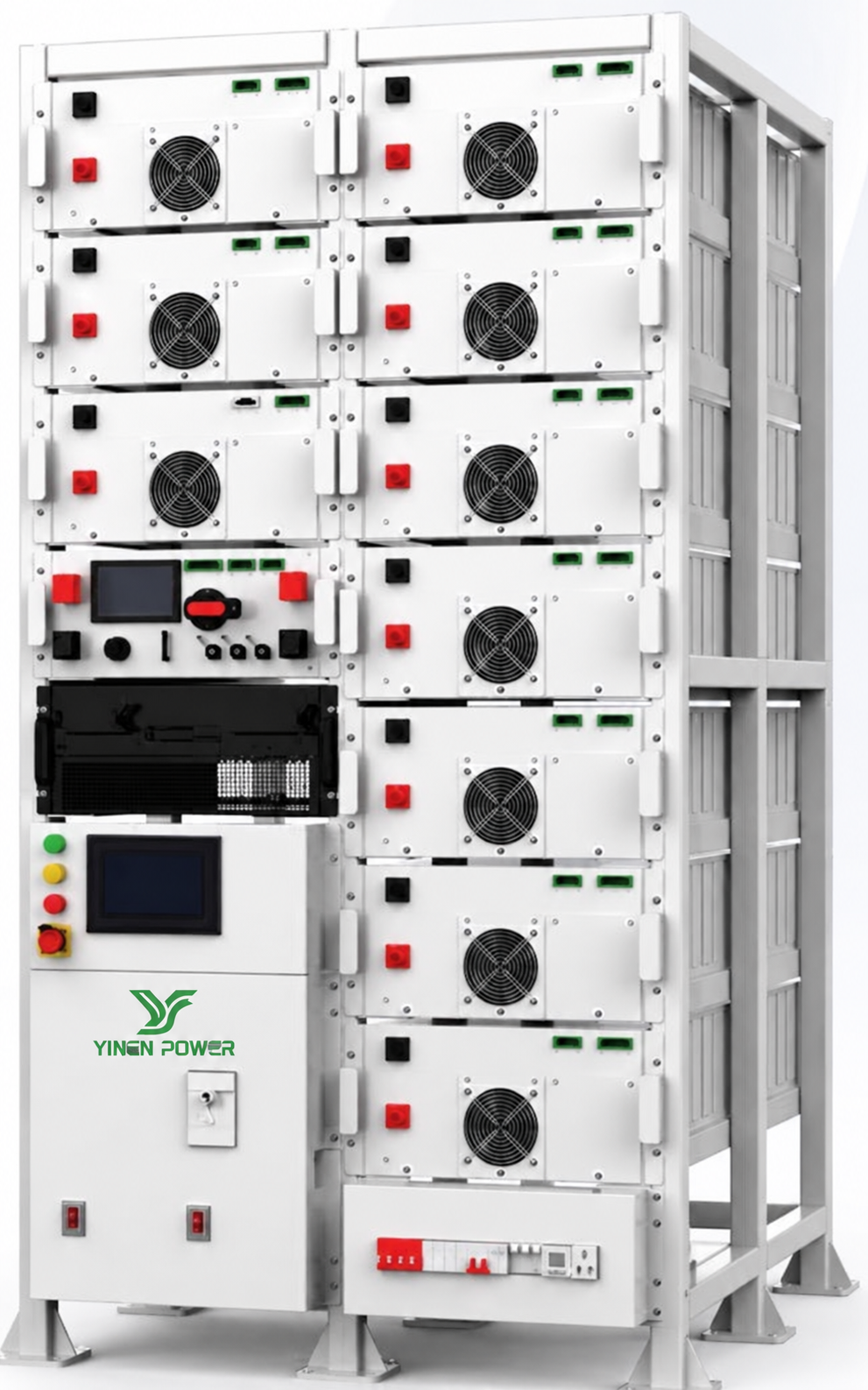
A comparable RFQ describes the project boundary and requests the same information from each bidder. Include the target AC power, proposed DC capacity, expected operating mode, PV module assumptions, connection data, layout constraints and battery objective. Ask suppliers to identify exclusions rather than assuming that controls, protection, cabling, installation or testing are included.
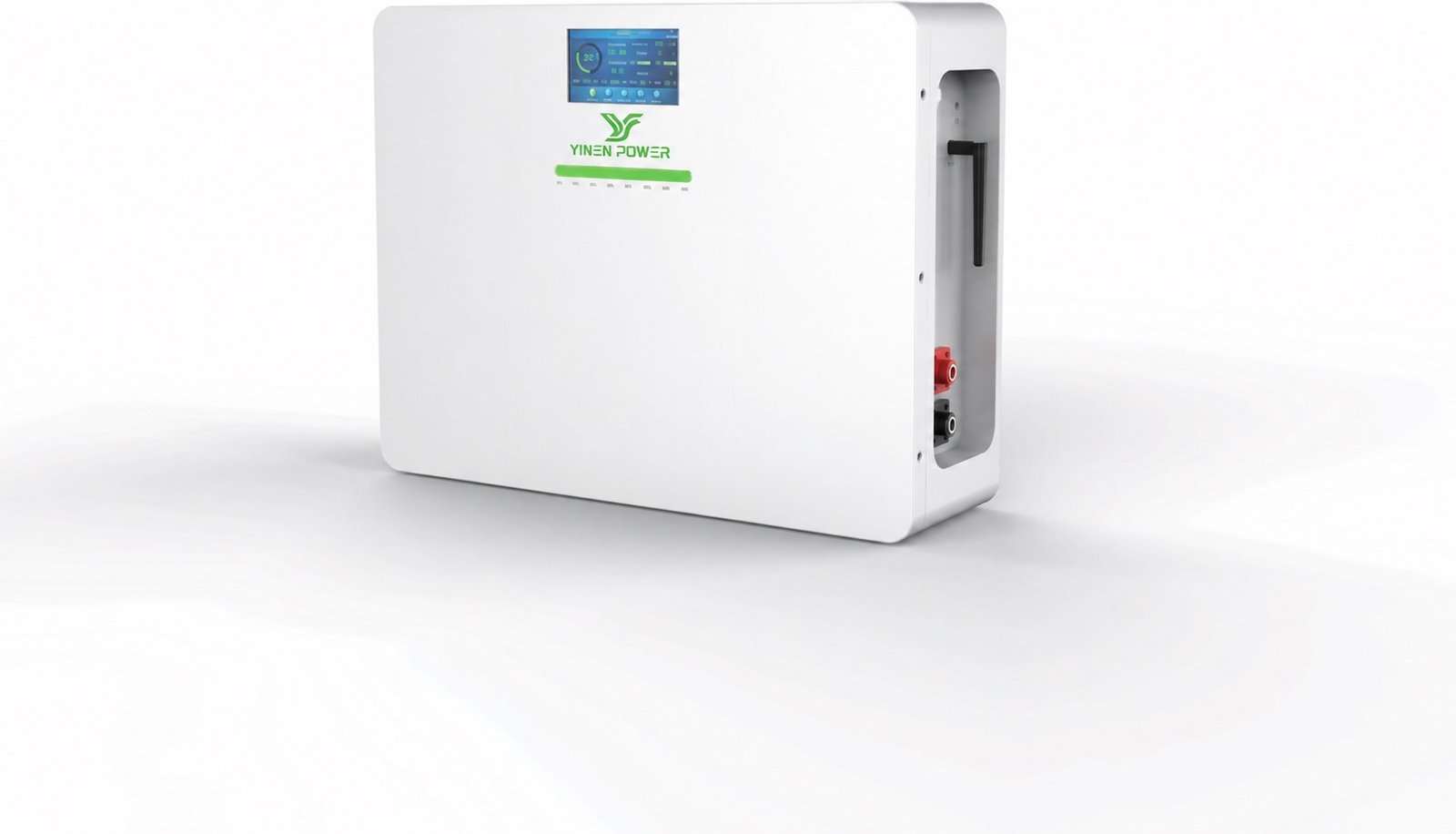
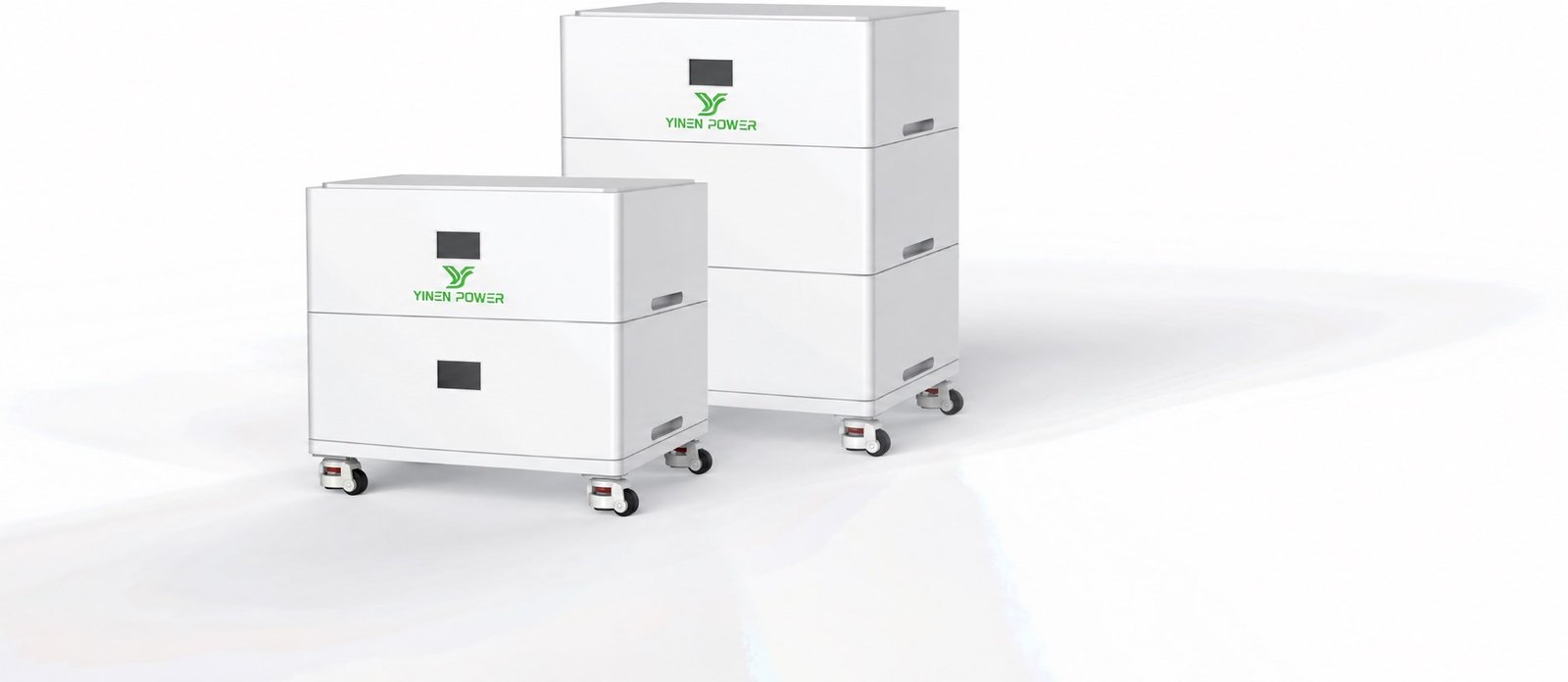
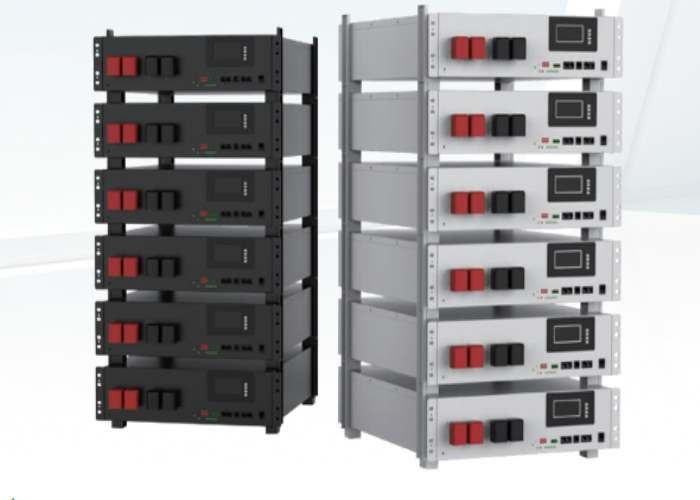
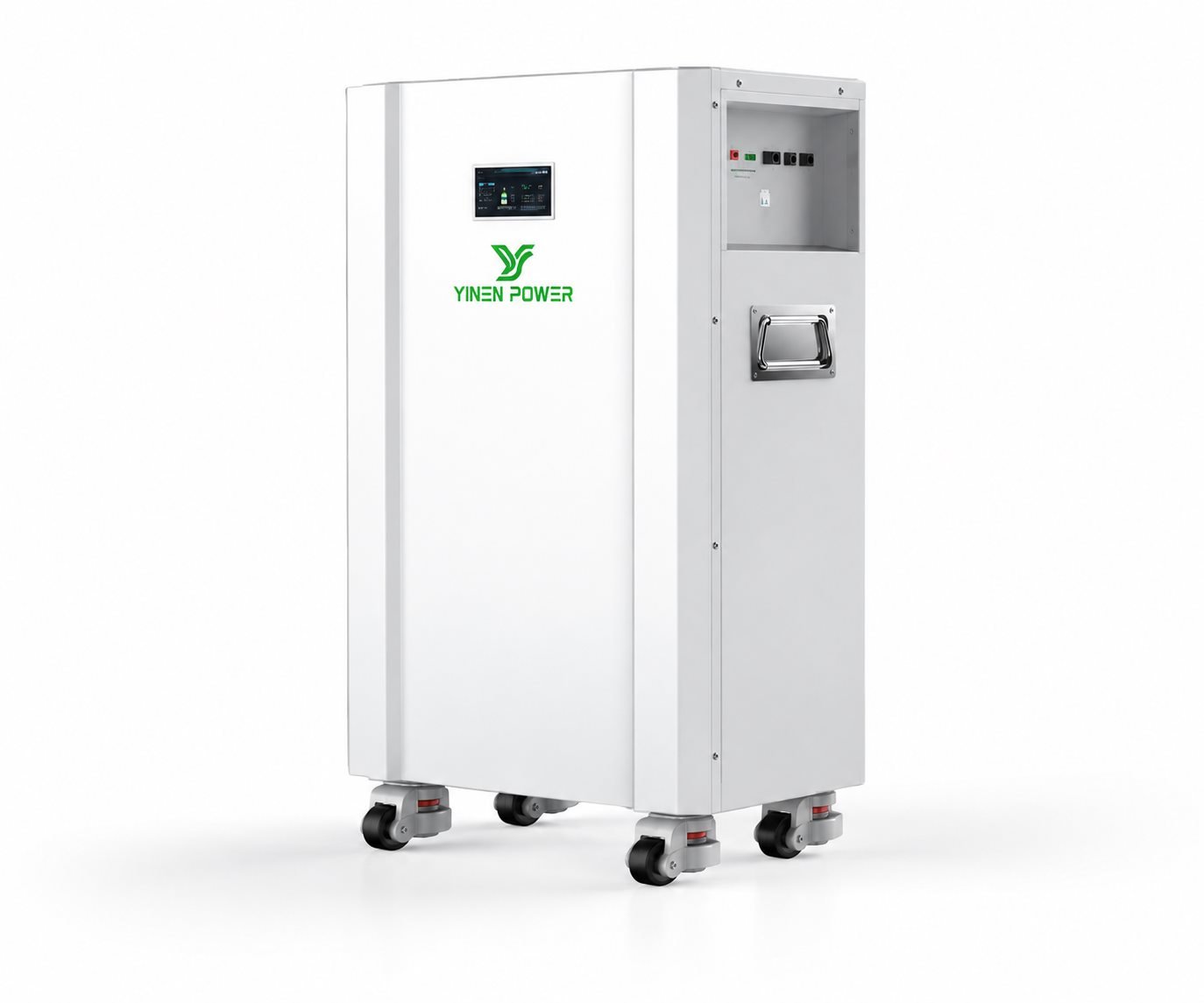
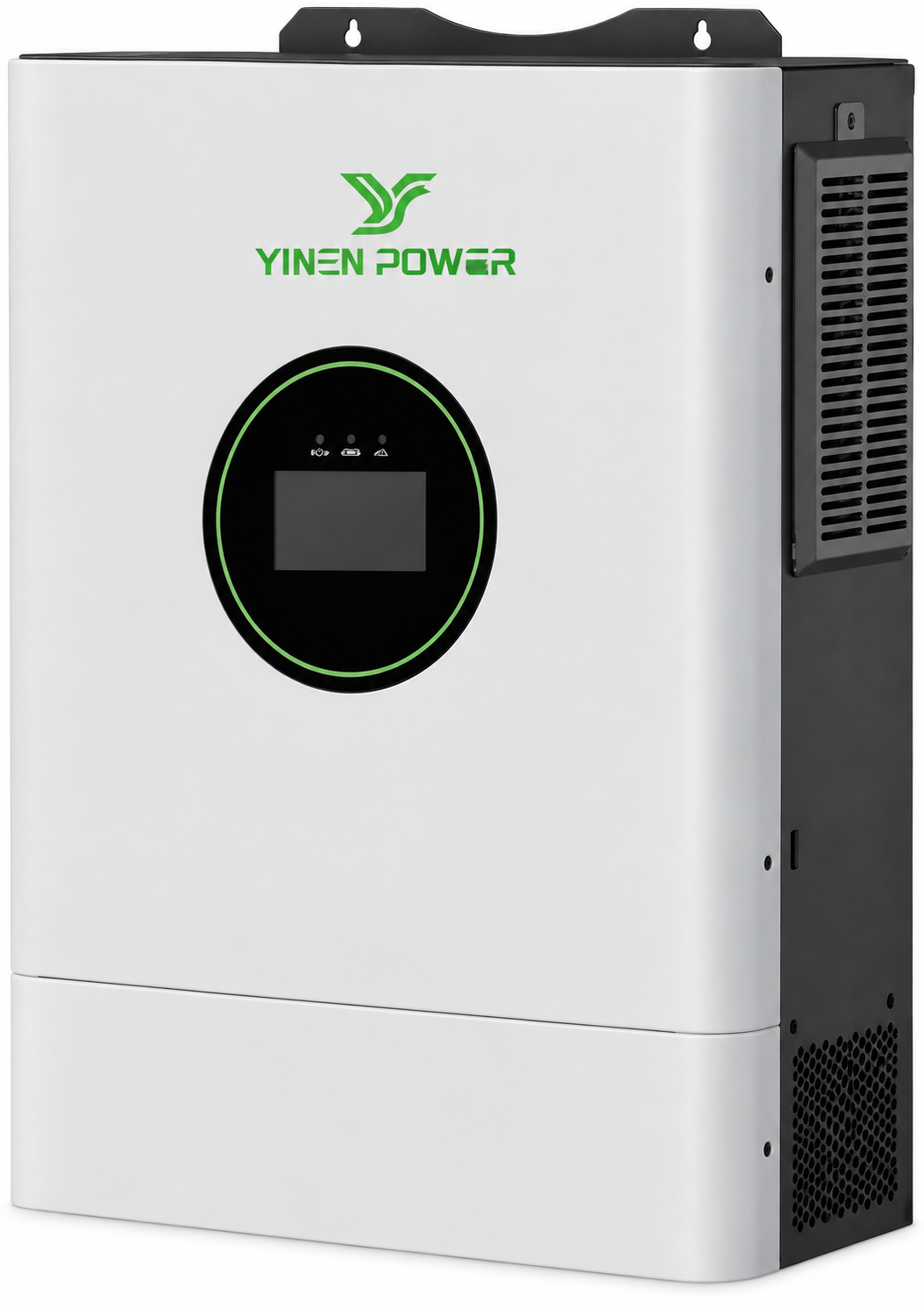
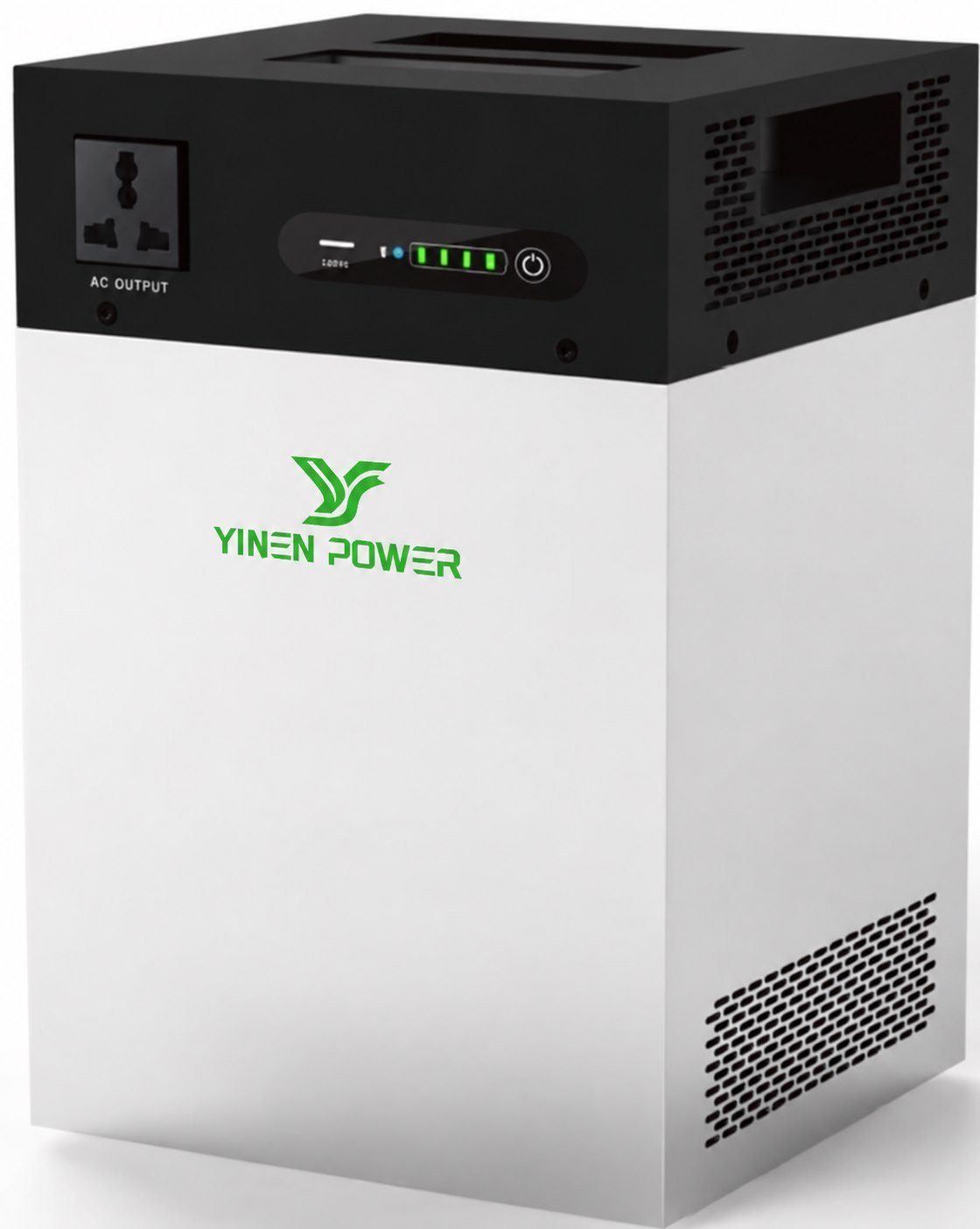
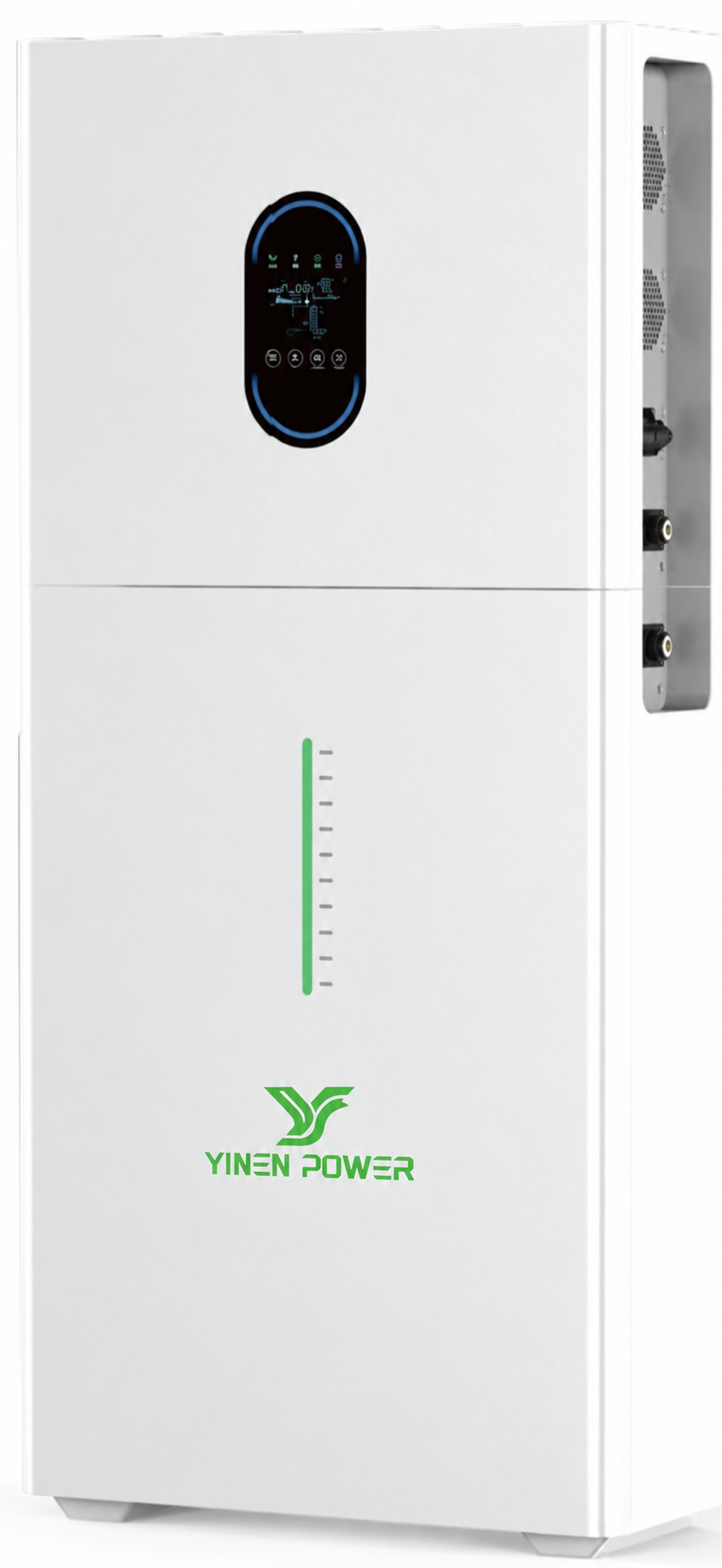
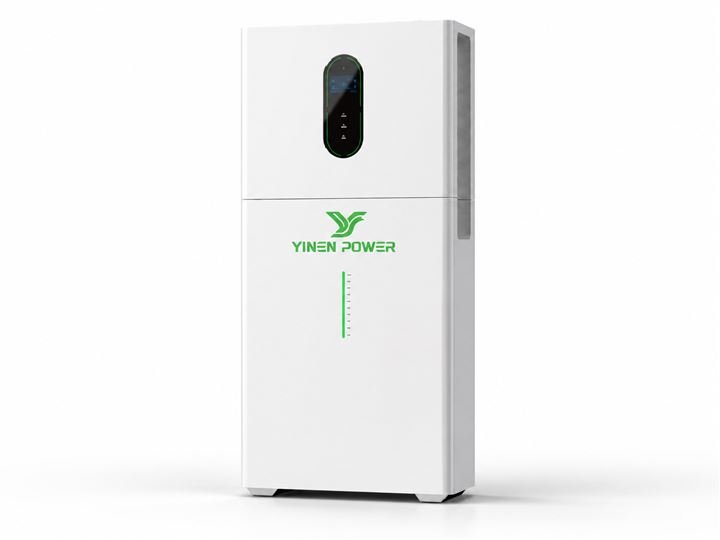
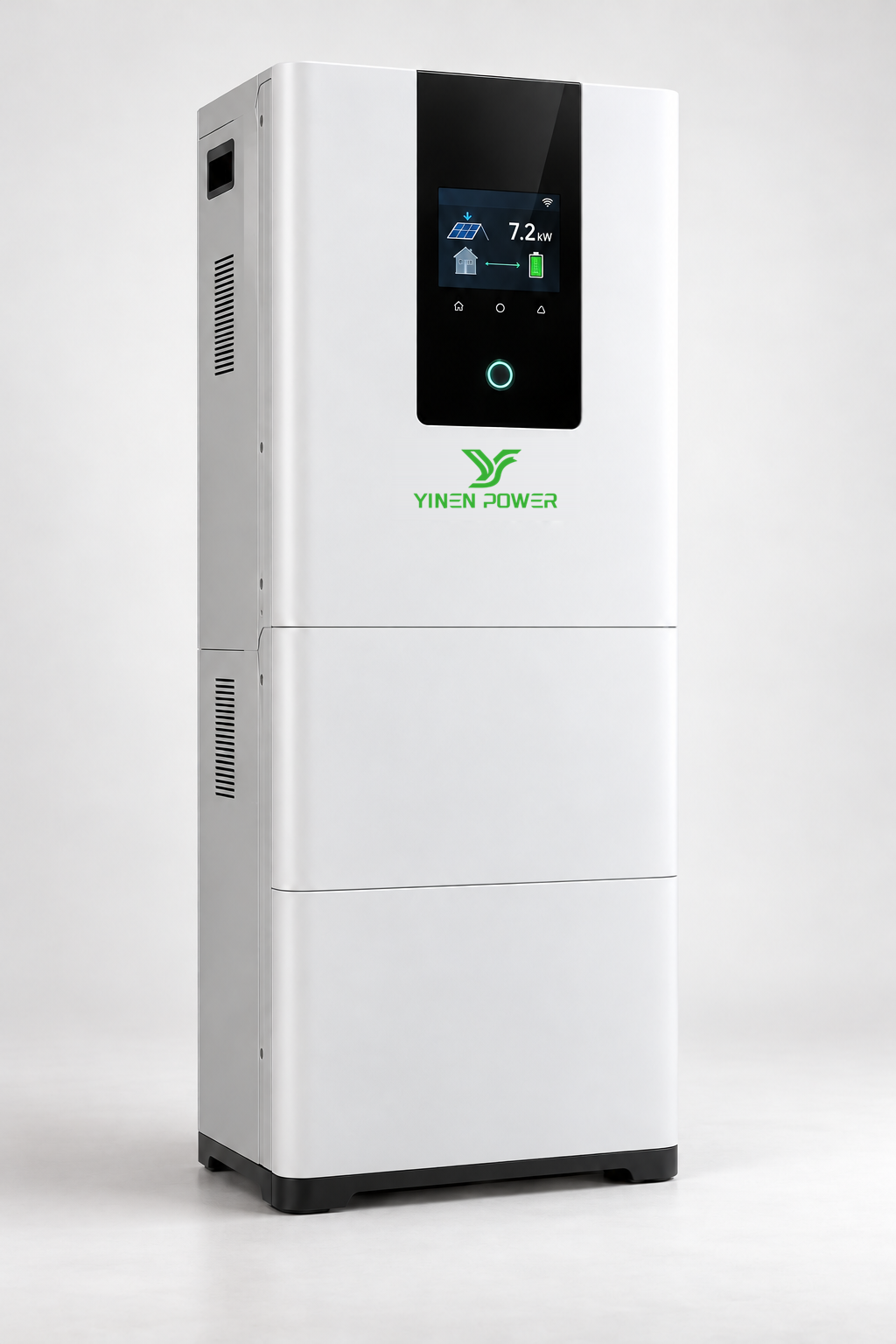
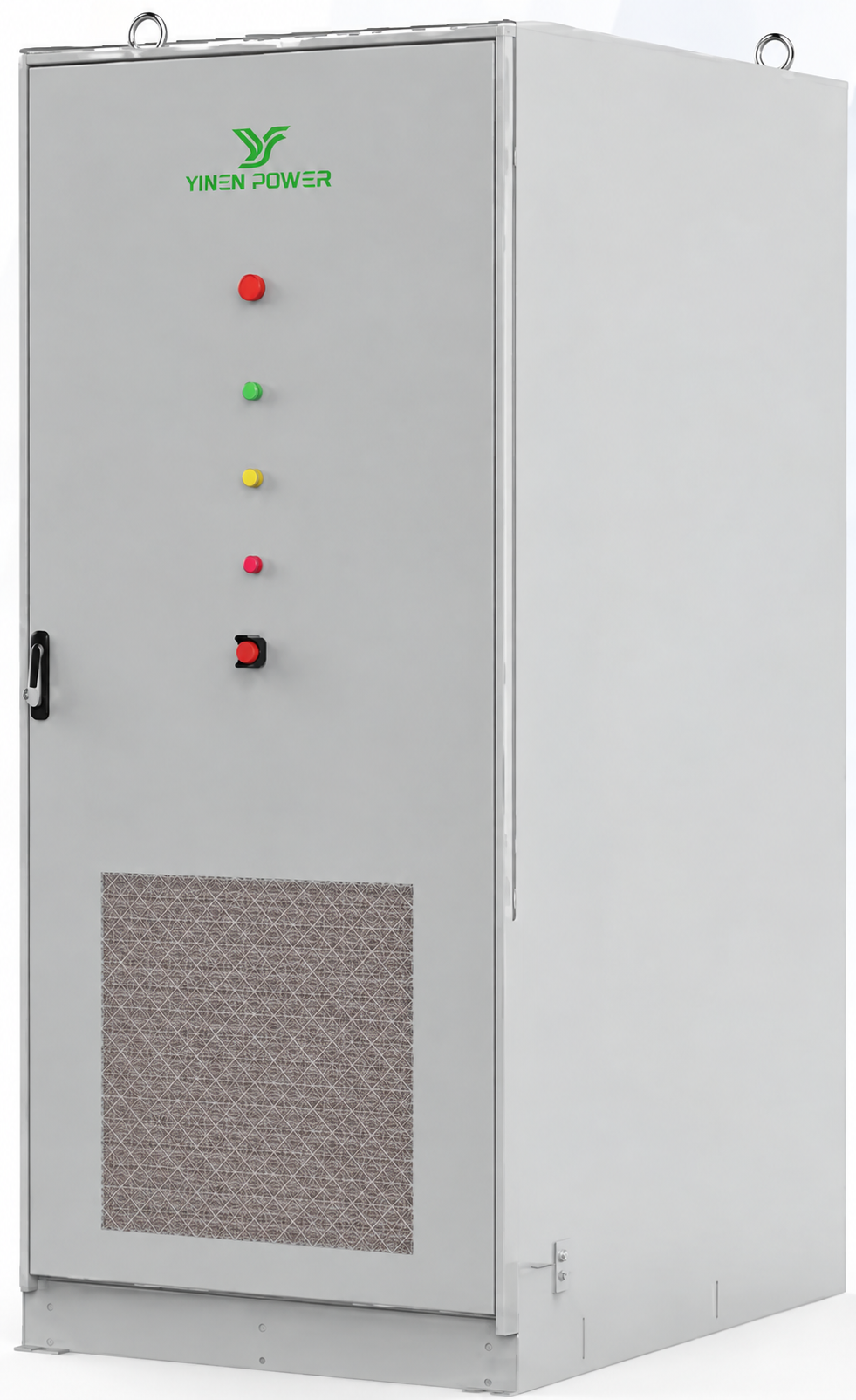
For projects exploring an integrated PV-and-storage direction, review the published photovoltaic and storage integrated machine range. For a modular commercial storage route, see the Transit Area Energy Storage Series. Final configuration should be confirmed with current technical documentation and qualified local engineering.
Confirm the 1 MW Solar Plant Planning Inputs Before Procurement
Before requesting a final proposal, review the 1 MW solar plant planning inputs with the site owner, utility and qualified engineering team. This makes the capacity target, interface responsibility and storage objective clear enough for meaningful technical and commercial comparison.
FAQ: 1 MW Solar Project Planning
How many modules are needed for a 1 MW solar plant?
It depends on whether the 1 MW figure refers to DC or AC capacity and on the selected module wattage. Use an initial division only to estimate scale; final module count depends on layout, electrical design and approved component data.
Does a 1 MW solar plant automatically need a battery?
No. Storage should follow an identified use case such as time-shifting, demand management, backup support or solar curtailment reduction. Define the required power and energy duration before comparing battery options.
What should be sent for an initial project review?
Share the site location, drawings where available, load data, connection information, proposed capacity, solar objective and any planned expansion. Contact YINEN POWER to discuss a solar-and-storage configuration around verified project inputs.