Choosing a battery energy storage system manufacturer is not simply a matter of comparing nominal kWh, cabinet dimensions, or a quotation total. For an EPC contractor, installer, distributor, or commercial project owner, the proposed system must match the site duty, grid interface, installation environment, controls, compliance pathway, and service plan. A supplier can only be assessed fairly when those project inputs are visible.
This guide gives project teams a practical way to evaluate a BESS manufacturer before an RFQ becomes a purchase order. It focuses on questions that can be answered with model-specific documents, design information, and a clear division of responsibility—not generic rankings or unverified factory claims.
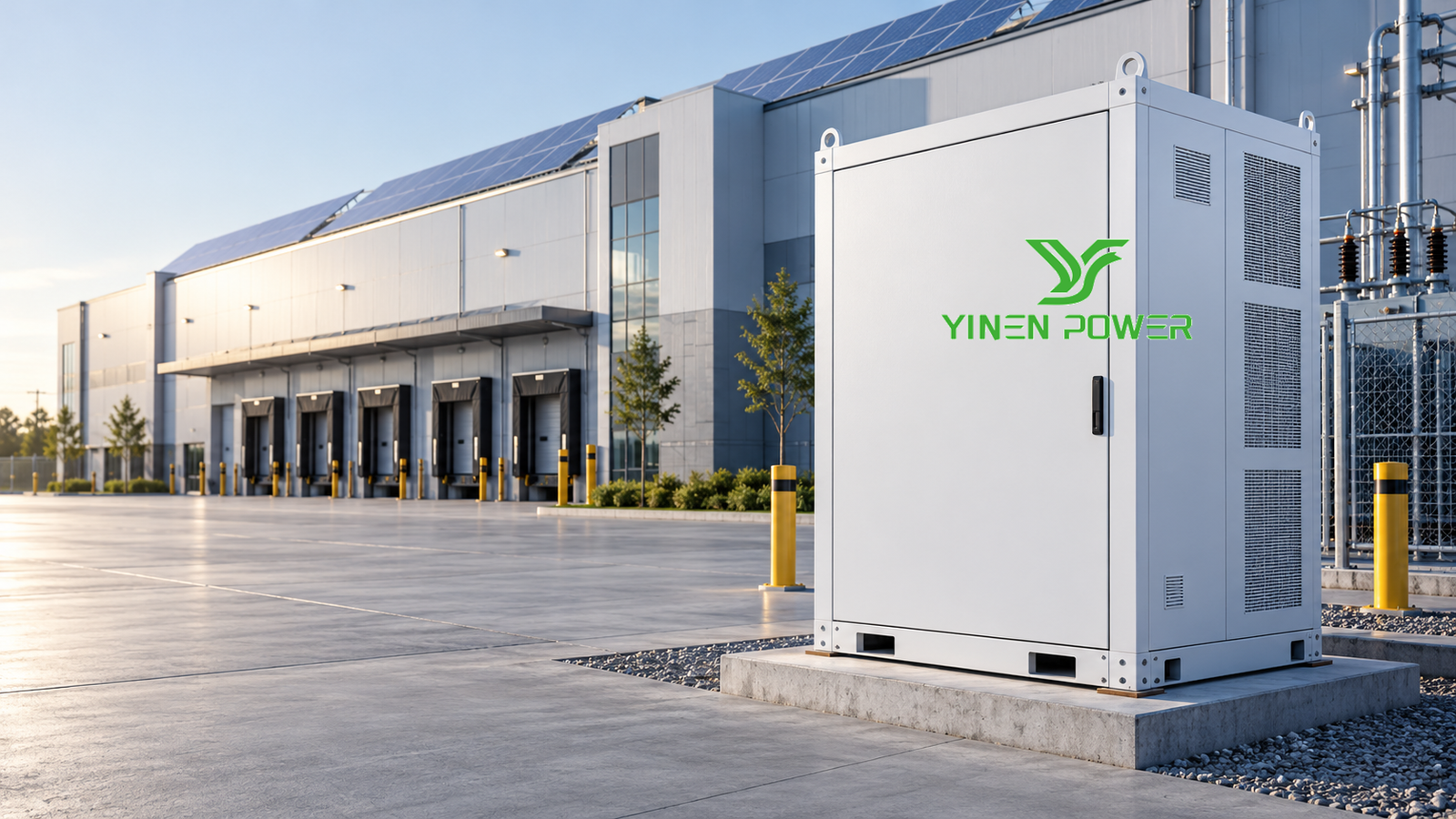
Why a Battery Energy Storage System Manufacturer Changes Project Outcomes
A battery energy storage system combines the battery, battery management system (BMS), inverter or power conversion equipment, controls, protection devices, enclosure, communications, and site installation. A weakness in any interface can create commissioning delays, unclear responsibilities, or a system that does not deliver the intended backup or load-management result.
The most useful supplier conversation therefore begins with a scope: which loads matter, how much power they require, how long they must run, when charging and discharge should occur, and what local grid, permitting, fire, and installation requirements apply. A reliable battery energy storage system manufacturer should be able to explain what is included, what requires third-party design, and what must be confirmed for the destination market.
Start With the Project Duty, Not a Product Catalog
Do not begin by asking only for a cabinet price. Write down the job the system must perform. Peak shaving, solar self-consumption, critical-load backup, EV-charging support, weak-grid operation, and off-grid power can require very different combinations of energy, power, controls, and operating reserve.
- Energy requirement: How many usable kWh are needed across the intended operating window?
- Power requirement: What continuous and short-duration kW must the complete system deliver?
- Operating strategy: Will the system follow a tariff schedule, PV production, a backup reserve, or a defined demand limit?
- Site constraints: What space, access, temperature, ventilation, noise, protection and civil-work limits shape the design?
- Expansion plan: Could future loads, PV capacity, or additional cabinets change the architecture?
For a wider commercial buying framework, see YINEN POWER’s commercial battery energy storage system procurement checklist. It helps separate load data, equipment scope, installation work, and commissioning responsibilities before quotations are compared.
Evaluate the Complete ESS Scope
A manufacturer can provide a battery product while another party provides the inverter, switchgear, EMS, civil work, and commissioning. That arrangement may be suitable, but the interfaces must be explicit. Ask which party supplies each component, who validates communications, who sets operating limits, and who owns fault diagnosis after handover. When comparing a battery energy storage system manufacturer, record each responsibility in the RFQ rather than relying on an informal scope discussion.
For each proposed configuration, request a one-line diagram, equipment list, communication description, and list of included protections. The documentation should identify the exact battery model, PCS or inverter model, control platform, and the site conditions assumed by the proposal. For broader context on energy-storage applications, see the U.S. Department of Energy’s energy storage overview. A large energy rating alone does not show whether the system will meet a specific power or runtime target. For an explanation of this distinction, review how commercial battery runtime relates to load power.
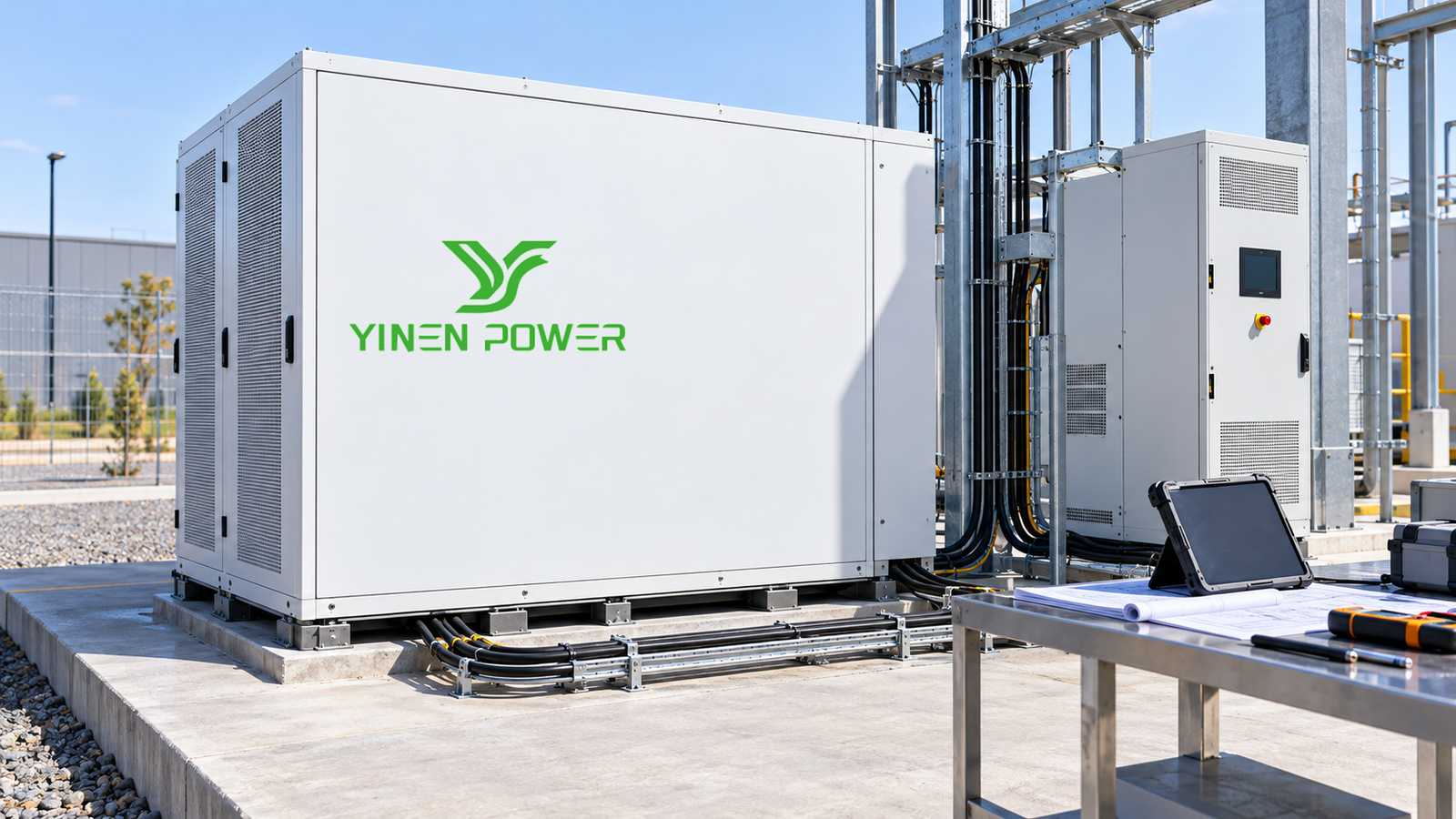
Ask for Model-Specific Safety, Compliance, and Test Documents
Compliance requirements vary by country, utility, building type, and application. Rather than accepting a general statement that a supplier is “certified,” ask which documents apply to the exact proposed model and destination market. The answer should distinguish the battery system, power electronics, enclosure, transport documentation, and site-level installation requirements.
Documentation also needs context. A test report, data sheet, or certificate should name the model, revision, issuing body where relevant, and conditions of validity. If an item is pending, request that it is listed as pending in the quotation instead of assuming that another product family or market approval applies automatically.
Review Manufacturing and Quality Evidence That Matters
Factory size alone is not a decision criterion. A stronger question is whether the supplier can describe how the proposed product is assembled, tested, identified, and supported through its life. Project teams should ask how serial numbers relate to production and service records, what final checks are performed for the quoted configuration, and which documents will be supplied at shipment and commissioning. A battery energy storage system manufacturer should be able to connect the quoted configuration to its corresponding records.
Useful evidence includes model-specific manuals, electrical drawings, packing information, inspection records where available, and a documented escalation route for technical questions. Avoid treating unverified production-capacity claims, global-installation counts, or generic awards as proof of product fit for your project.
Check Compatibility, Commissioning, and Service Scope
Compatibility is a system question. Battery–inverter communication, protocol settings, BMS limits, EMS logic, metering, grid protection, and commissioning parameters should be reviewed together. If the project uses a specified inverter or PCS, confirm the proposed combination in writing before final selection.
Ask the supplier to clarify what support is available during selection, design review, installation, commissioning, monitoring setup, troubleshooting, and future expansion. It is equally important to record what is outside the supplier’s scope, such as local permits, utility approval, civil construction, or the work of a local installer.
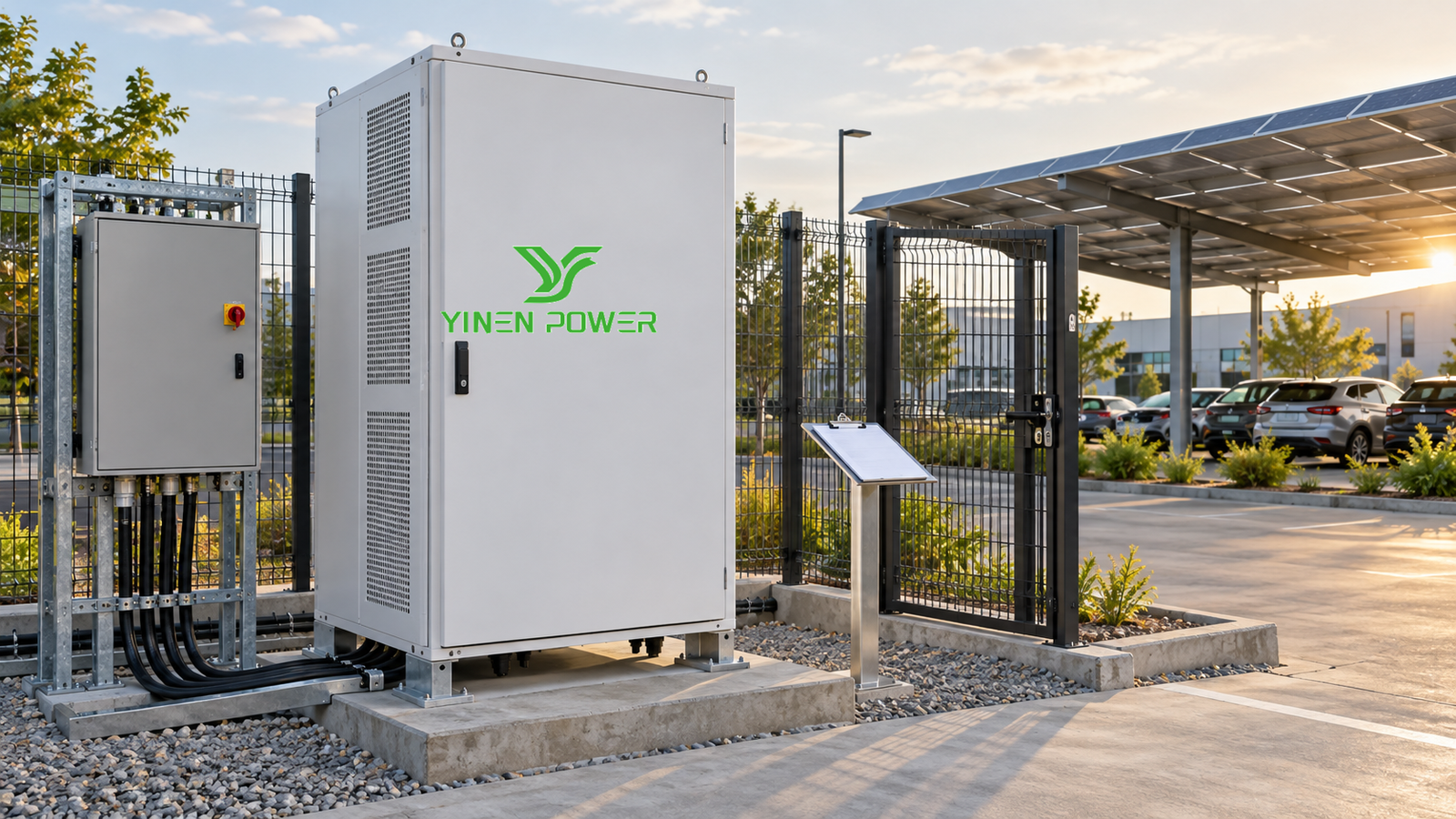
Compare Quotations on Total Project Scope, Not Unit Price
The lowest cabinet price can omit equipment, transport preparation, controls, site work, or support that another offer includes. Create a comparison sheet so every supplier responds to the same load profile, system boundary, delivery destination, and requested documents. This gives the team a defensible basis for comparing project value rather than a headline price.
| Evaluation area | Question to ask | Evidence to request |
|---|---|---|
| Project fit | Does the proposed kWh and kW meet the defined duty? | Load assumptions, operating strategy, one-line diagram |
| System boundary | Which battery, PCS, EMS, protections and installation items are included? | Equipment list and scope matrix |
| Compatibility | Has the exact battery–inverter–control combination been reviewed? | Approved interface information and commissioning scope |
| Compliance | Which model-specific documents apply to the destination market? | Current data sheets and compliance documentation |
| Support | Who handles startup, fault escalation, and service coordination? | Named support process and responsibility matrix |
RFQ Checklist for EPCs, Installers, and Developers
Give every shortlisted manufacturer the same starting information. This reduces redesign cycles and makes technical differences easier to see.
- Site location, grid arrangement, and destination-market requirements.
- Interval load data or a clearly stated critical-load and backup target.
- PV capacity and expected operating relationship between solar, grid, and storage.
- Required usable energy, continuous power, peak or surge behavior, and reserve setting.
- Installation area, access route, outdoor or indoor conditions, and expansion allowance.
- Required proposal documents, excluded scope, commissioning plan, and support contacts.
YINEN POWER can discuss solar, battery, inverter, and control configurations for commercial projects. Final selection should always be based on the verified project scope, exact model documentation, destination-market requirements, and the responsibilities agreed by the project team.
FAQs
Should I select the cheapest BESS manufacturer?
Price is one input, but it cannot show whether the offer includes compatible controls, technical documents, commissioning support, or a workable service route. Compare equivalent scope before deciding.
What matters most for a commercial BESS RFQ?
A clear project duty: loads, power, runtime, PV and grid arrangement, installation conditions, and required documents. Incomplete inputs usually produce quotations that cannot be compared fairly.
Can one manufacturer fit every BESS project?
No. The appropriate manufacturer and configuration depend on the application, system boundary, location, interface requirements, and support model. Use a documented evaluation process for each battery energy storage system manufacturer rather than a universal ranking.
Planning a BESS project? Share the site, load profile, solar capacity, operating objective, and target market with YINEN POWER to start a technically focused configuration discussion.