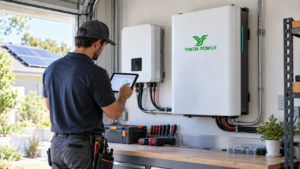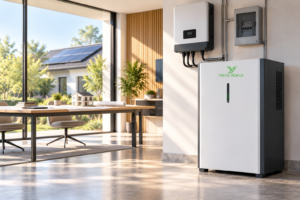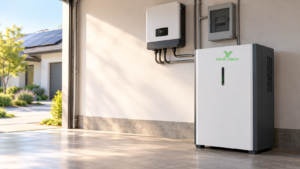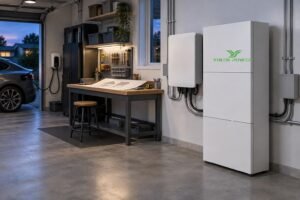
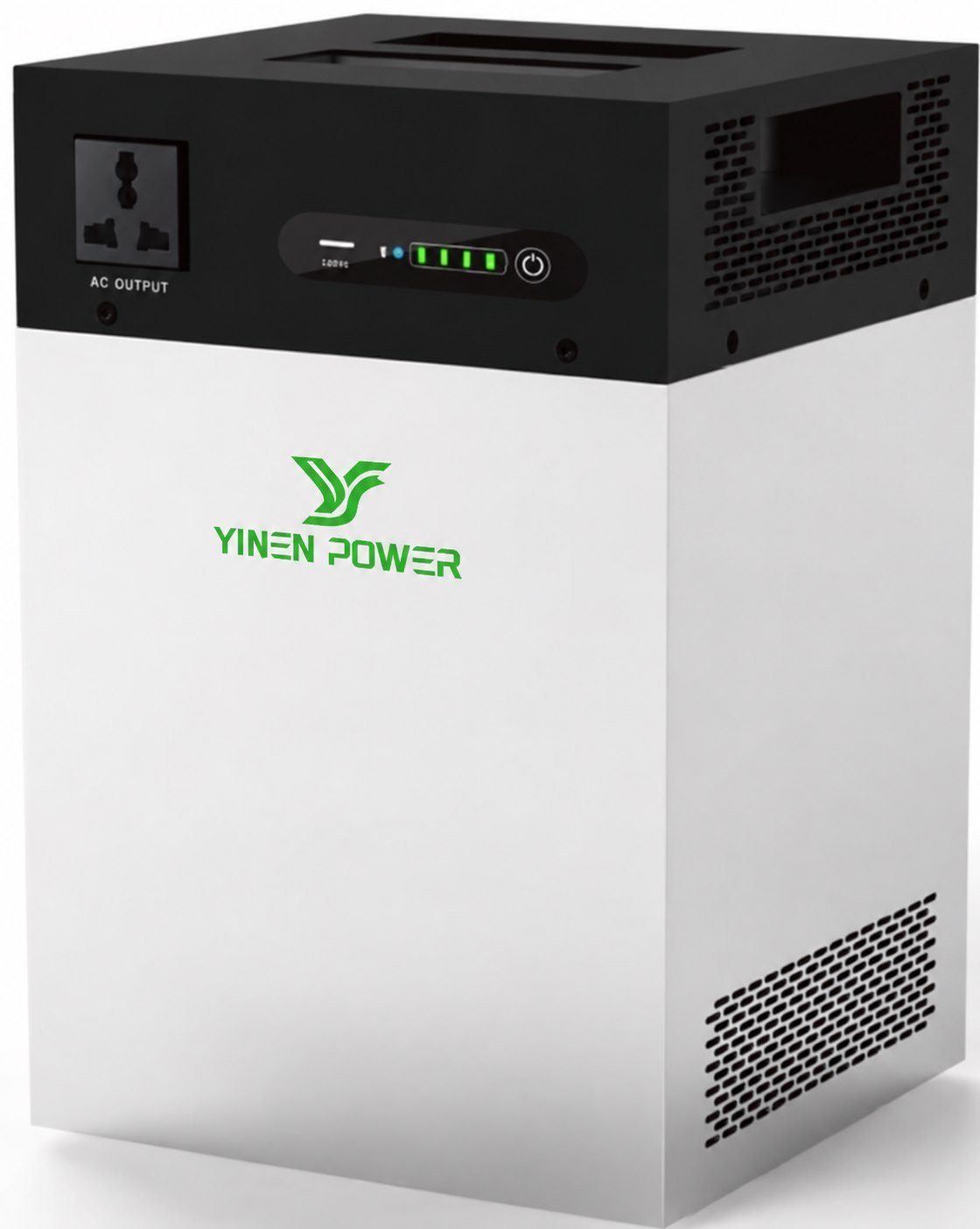
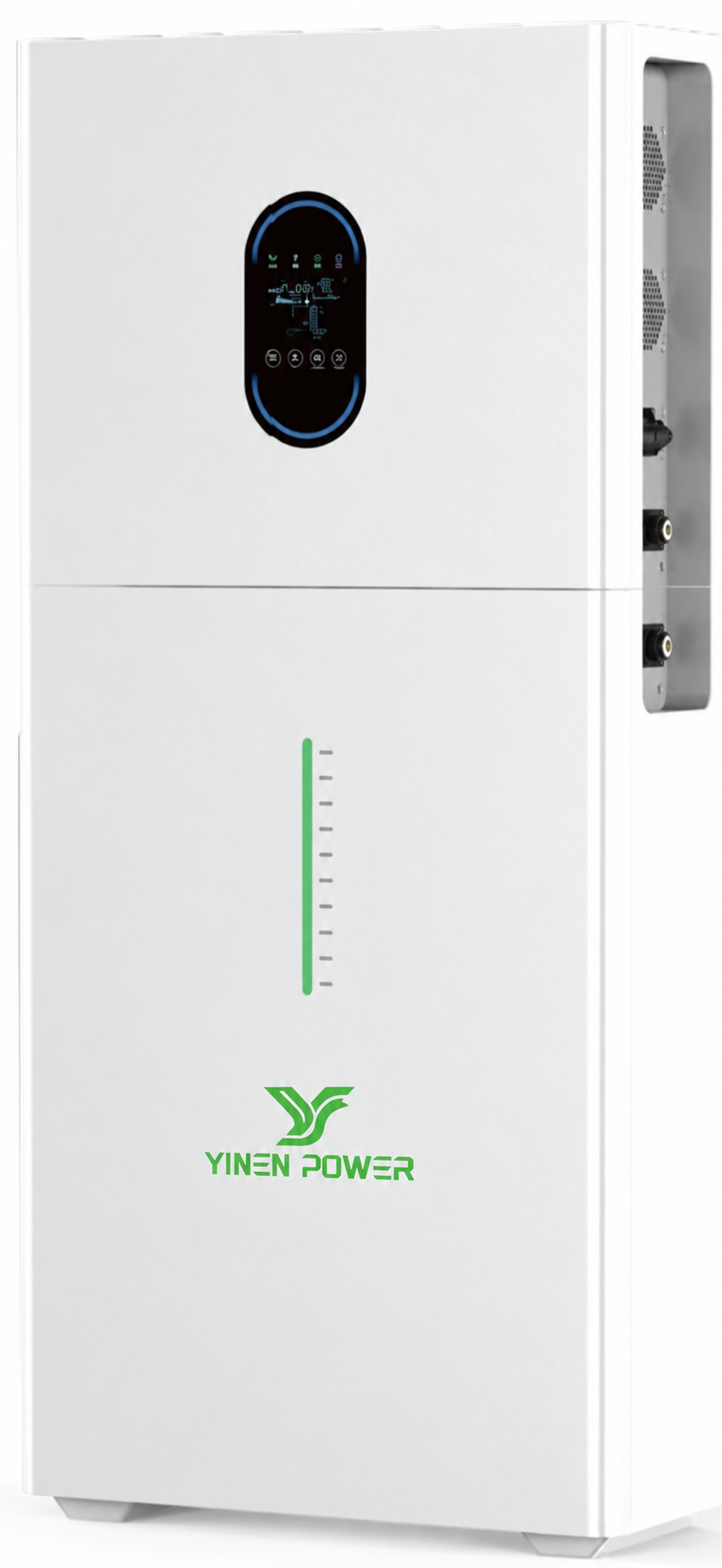
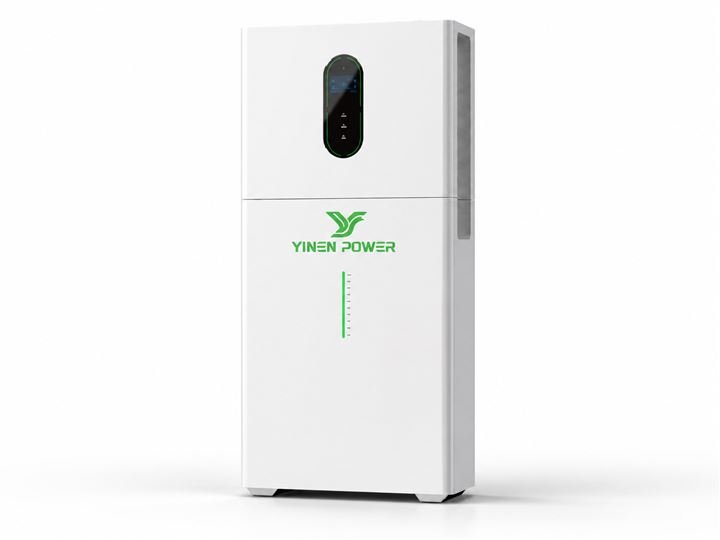
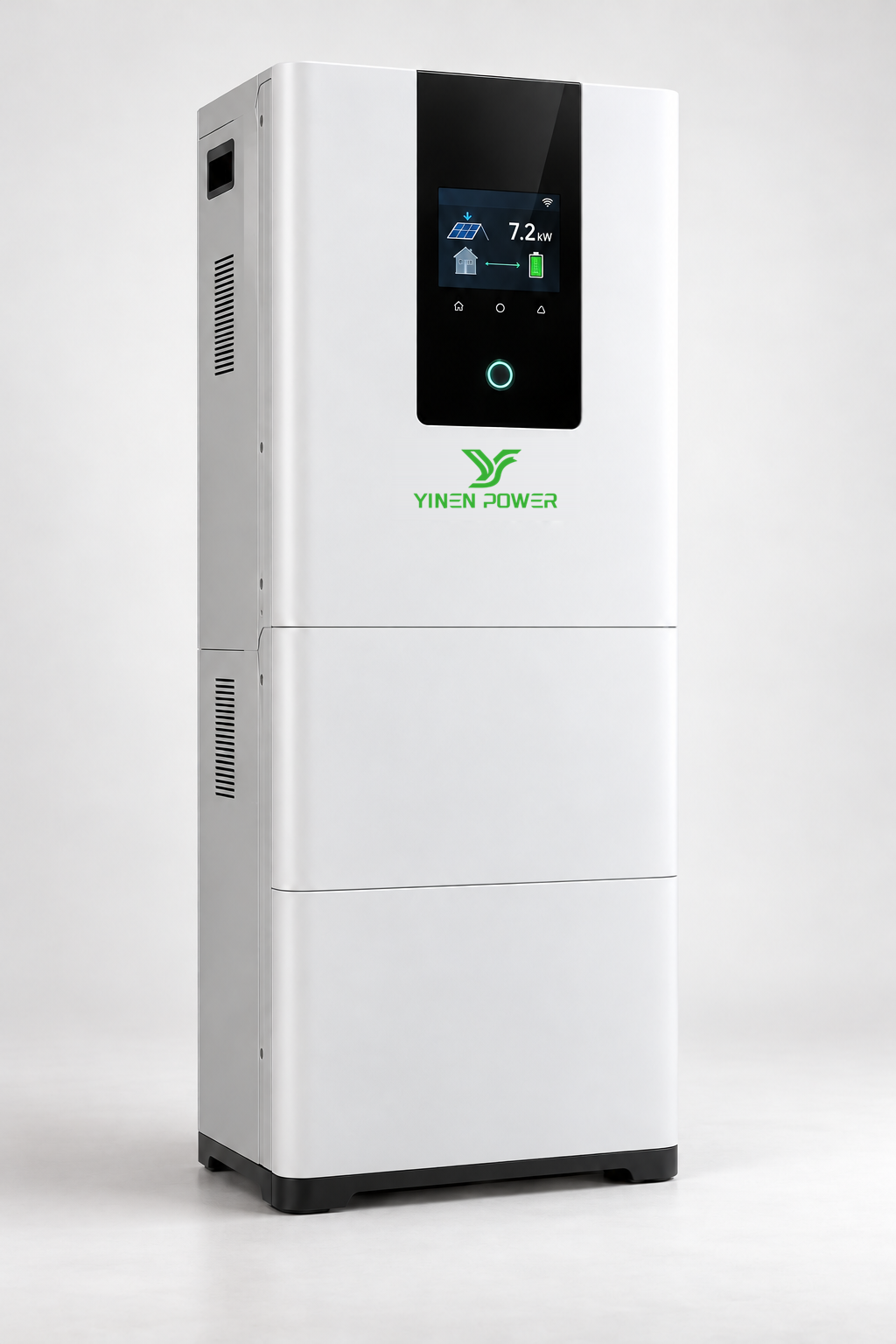
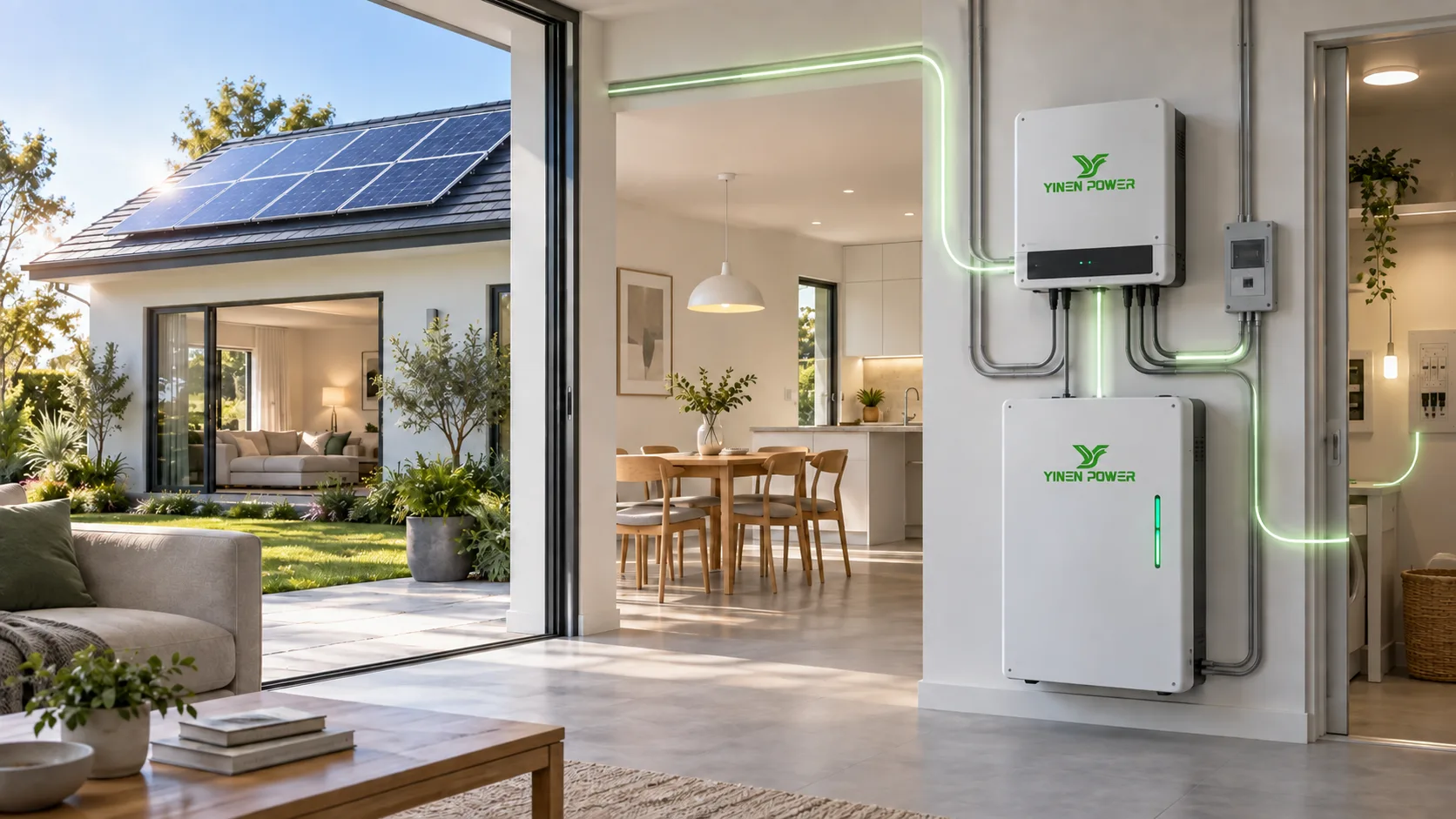
When solar panels produce most of their energy during the day but household demand rises in the evening, a low voltage solar battery for home can store surplus power for later use. The value is not limited to outage backup: the right system can improve solar self-consumption, reduce peak-time grid purchases and make your backup target easier to measure.
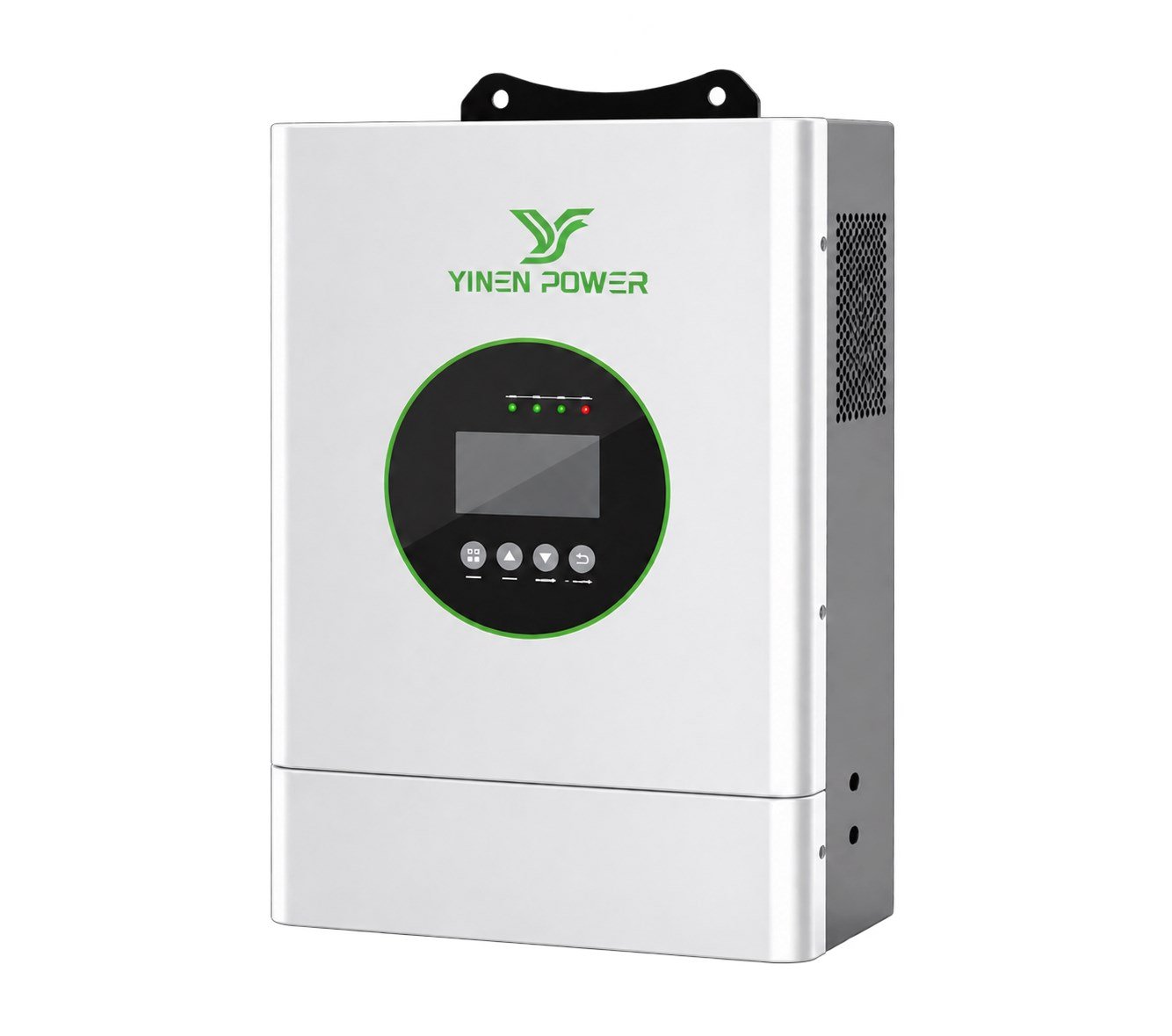
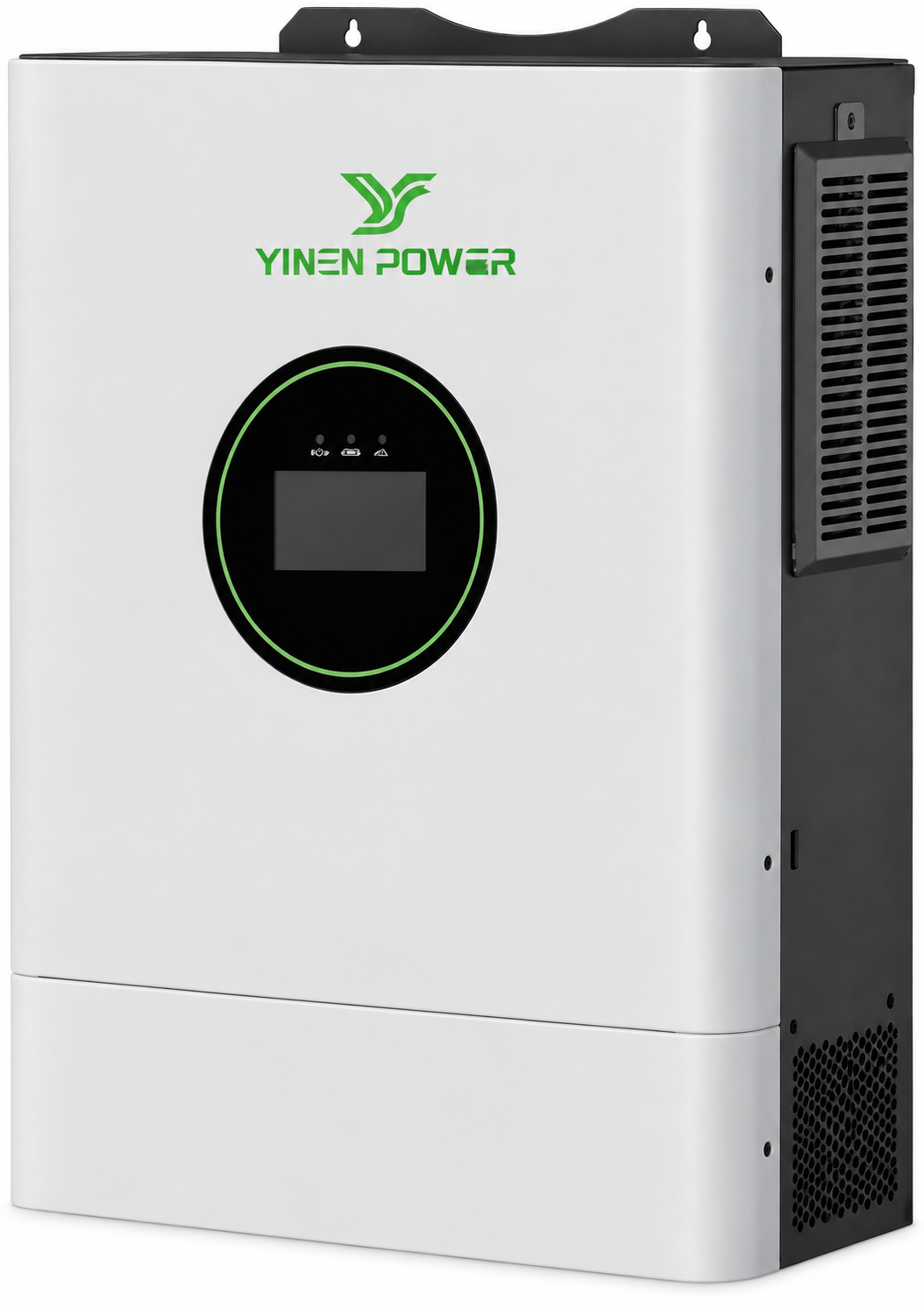
Most low-voltage residential systems are built around a 48V-class battery platform and a compatible hybrid inverter. The battery stores energy, the inverter converts DC and AC power, and the battery management system (BMS) monitors voltage, temperature, balancing and protection. System compatibility matters more than simply choosing the largest capacity.
What Is a Low-Voltage Home Solar Battery?
A low-voltage home solar battery is a DC storage unit made up of battery modules, protection circuits and a BMS. It connects to a hybrid inverter so solar energy can be stored and later used by household loads. When you compare products, separate energy capacity from output power: kWh describes stored energy, while kW describes how much power the system can deliver at a moment.
A battery may have enough kWh for an overnight backup but still be unable to start an air conditioner, pump or other high-surge appliance. Always check continuous power, peak power and the inverter limit together.
How to Size a Low-Voltage Solar Battery for Home
Start with the loads you expect to keep running during an outage. Record each appliance power rating, starting current and expected runtime. A preliminary estimate is: required battery capacity ≈ critical-load power × backup hours ÷ system efficiency ÷ usable discharge ratio. This is a planning estimate, not a substitute for a project calculation.
- List critical loads such as refrigeration, lighting, networking, security and essential pumps.
- Estimate daily energy and the longest backup period you actually need.
- Compare usable battery capacity with the inverter continuous and peak power limits.
- Review solar production and the available charging window for your location.
If you want whole-home backup, battery capacity and inverter power must increase together. If your goal is to protect only essential loads, a smaller low voltage residential energy storage battery may offer a clearer cost-to-benefit balance. Sharing your utility bills and load list with the installer is more reliable than selecting capacity by intuition.
Compatibility Is More Important Than Capacity Alone
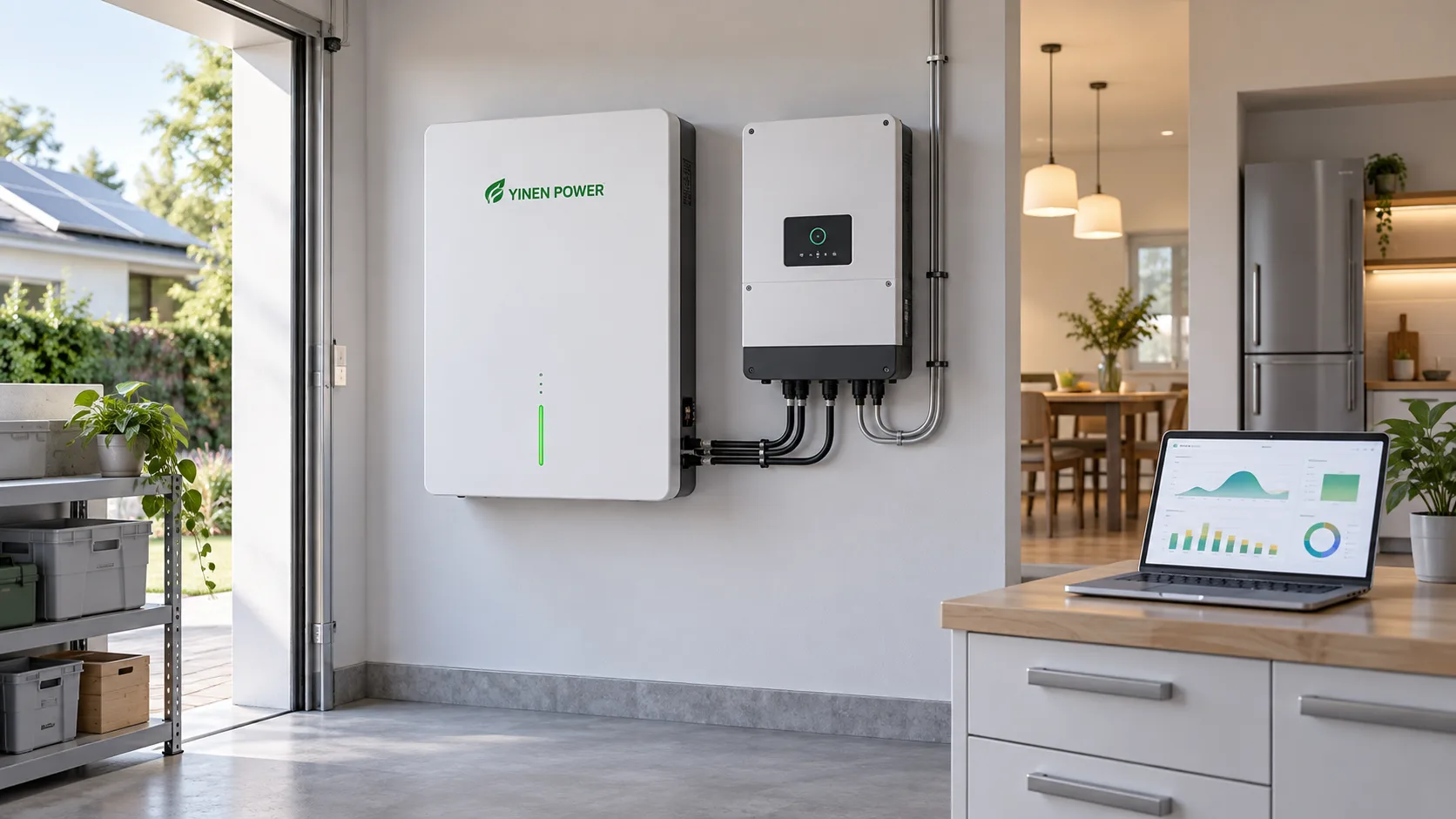
Before buying a 48V home battery storage system, confirm that its nominal voltage and operating range fall within the inverter input range. Then check maximum charge current, maximum discharge current, continuous power and peak power. This prevents a common mismatch: enough stored energy, but not enough output capability for the intended loads.
Communication is equally important. CAN or RS485 connections must use the correct port, protocol and battery profile. If the inverter cannot read BMS status, it may not control current limits or display state of charge correctly. Ask for a compatibility list, wiring diagram and commissioning procedure rather than relying only on the connector name.
Modular Expansion and Installation Choices
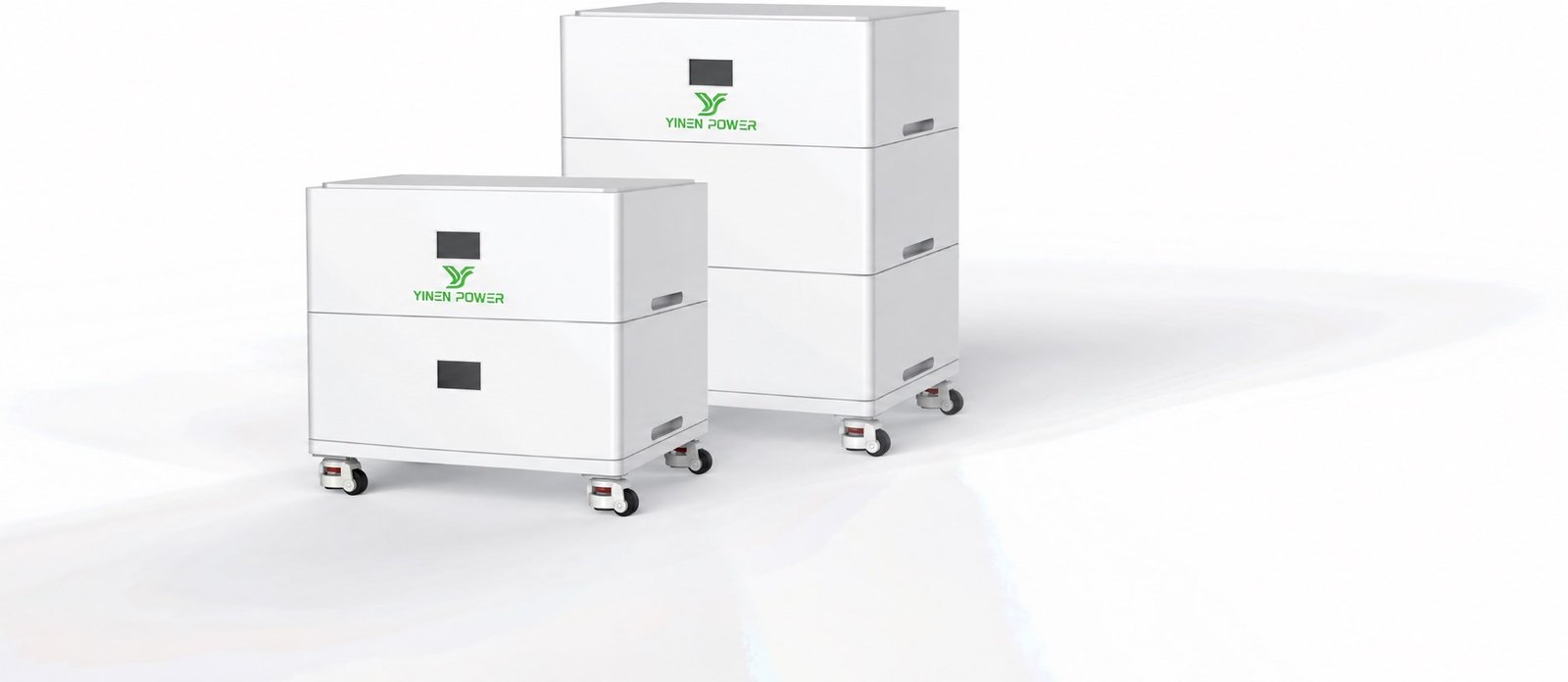
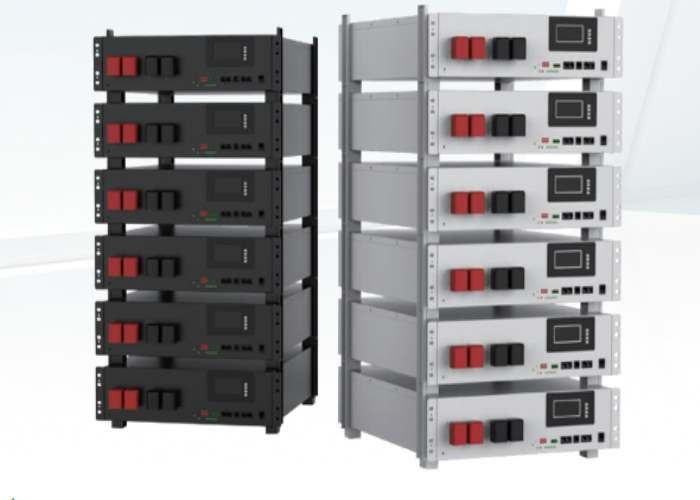
Household demand can change, so a modular battery architecture may be more practical than installing excessive capacity on day one. You can begin with essential-load backup and expand later as solar generation, an electric vehicle or household demand grows. Confirm the permitted parallel quantity, cable layout, protection devices and inverter limit before adding modules.
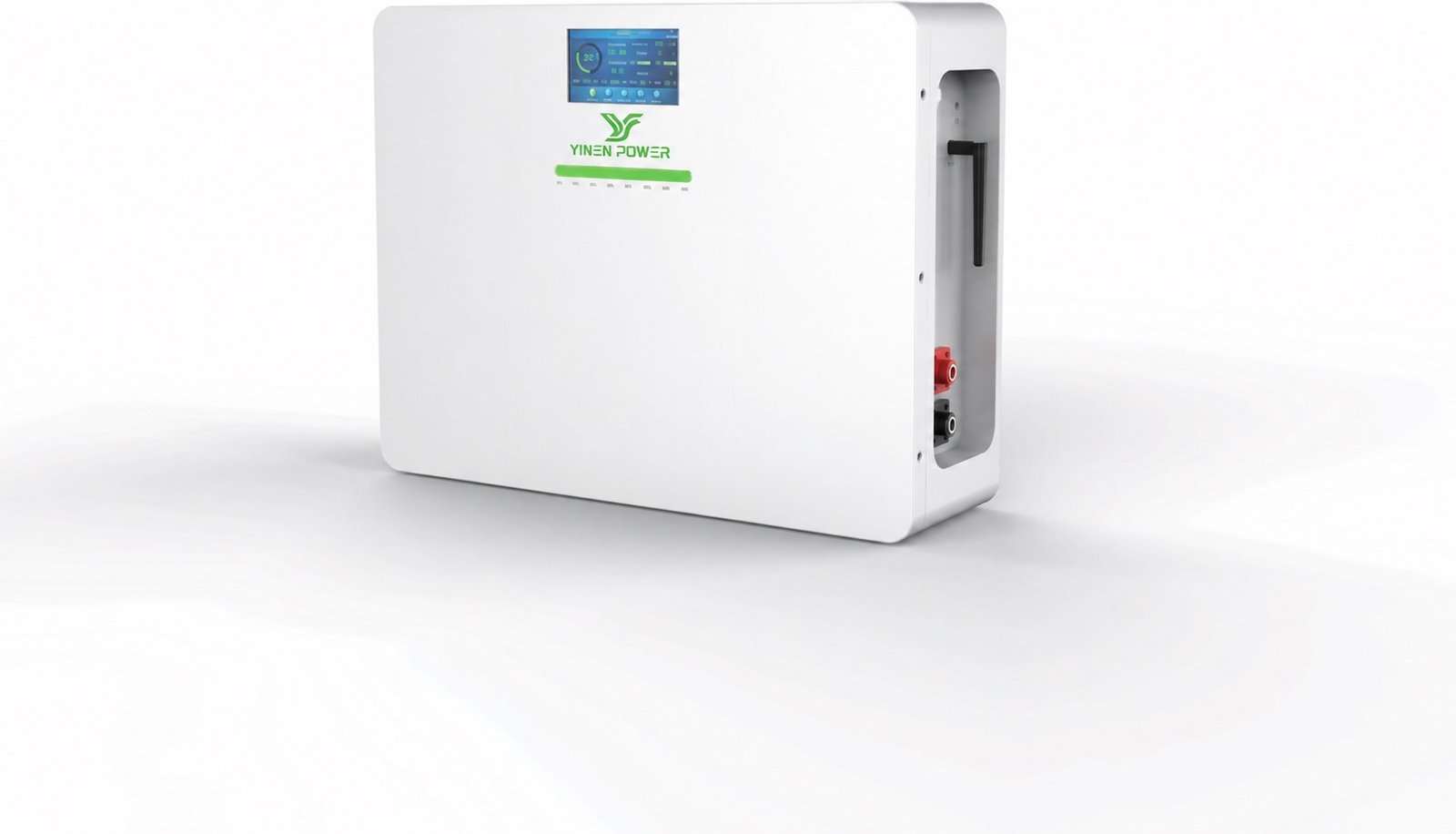
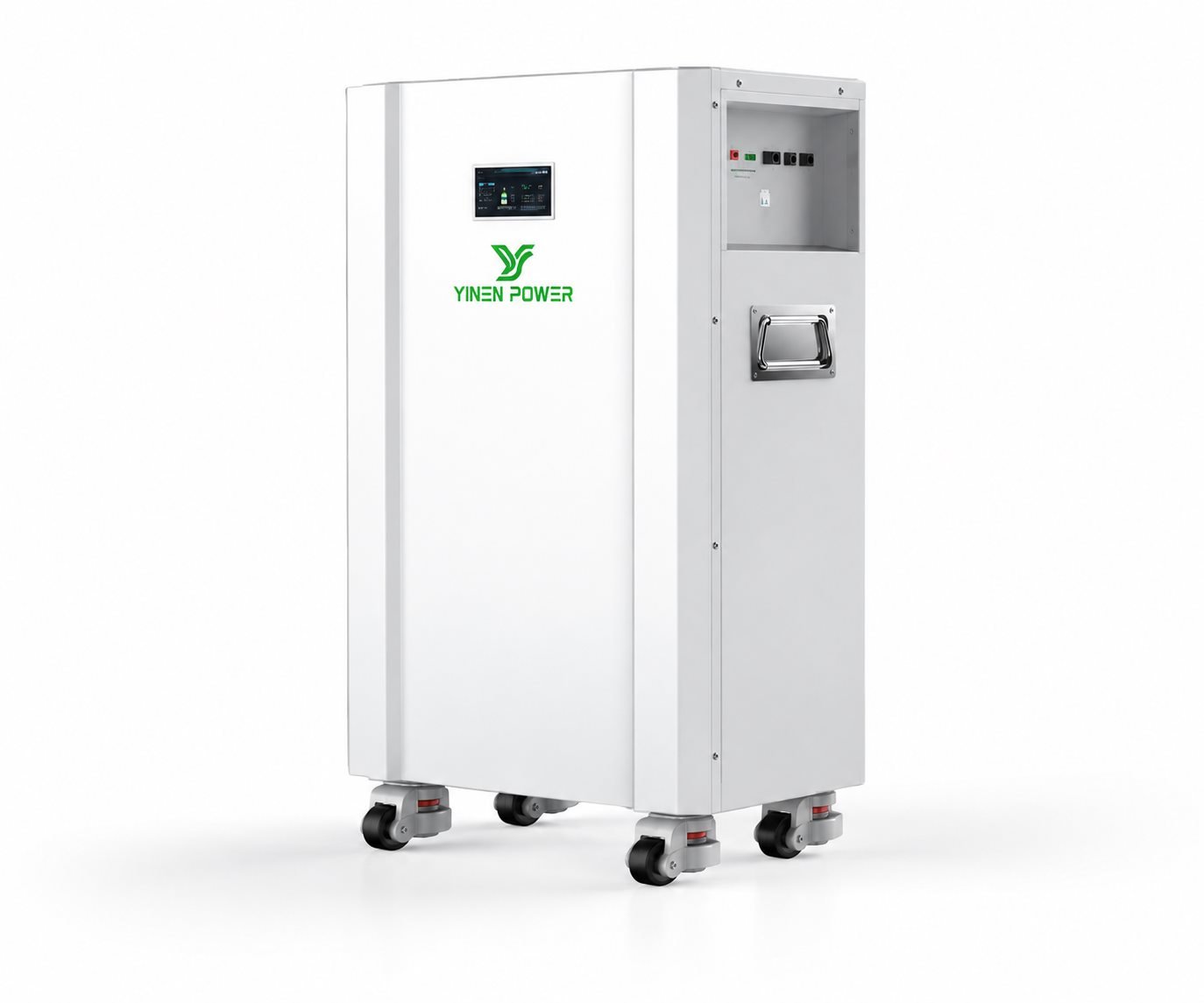
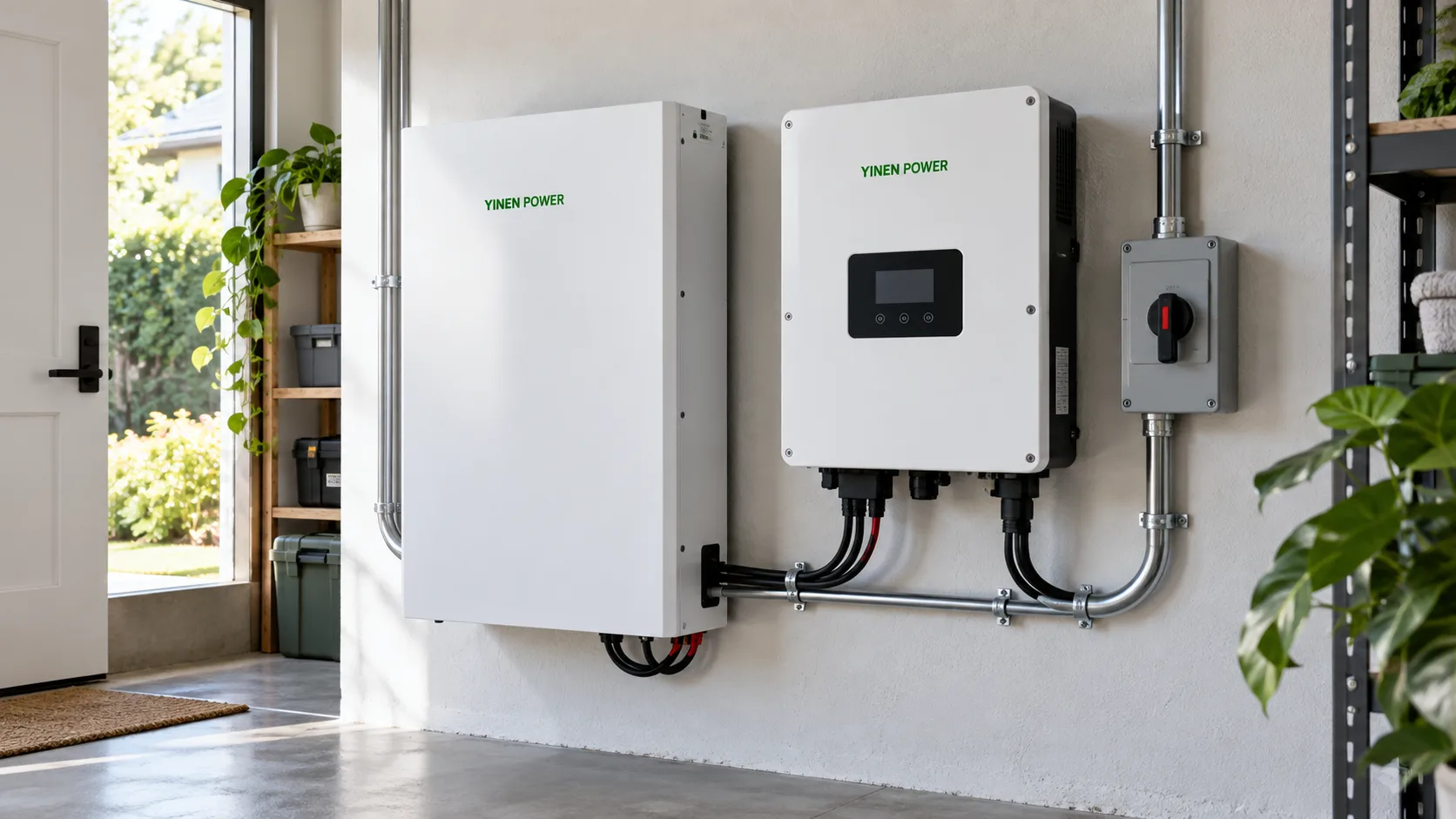
Wall-mounted, floor-standing and stacked formats suit different spaces. Choose a dry, ventilated location with safe access for inspection and maintenance. Installation must follow the manufacturer instructions, local electrical rules and applicable fire-safety requirements.
Safety, Service Life and Documentation
For a home solar battery backup system, review the cell chemistry, BMS functions, temperature monitoring, over-current protection and short-circuit protection. Avoid judging a product only by phrases such as “safe” or “long life”; request the model-specific datasheet, installation manual and test documentation.
Also confirm operating temperature, indoor or outdoor suitability, ingress protection, maintenance requirements and local service arrangements. Cycle life, warranty and certifications can vary by model, market and operating conditions, so include them in a purchasing comparison only when the relevant product documents state them clearly.
Four Common Residential Applications
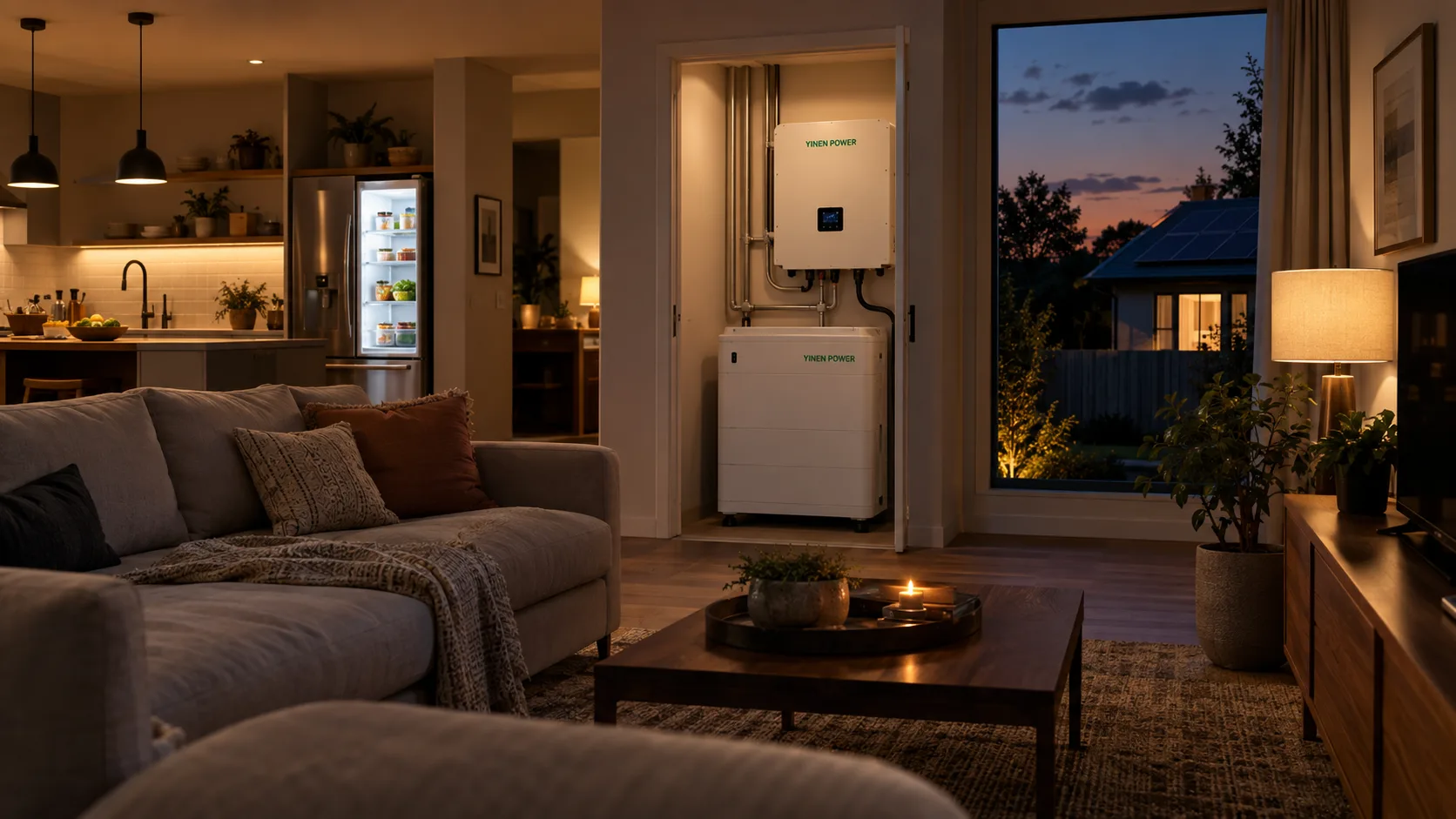
- Solar self-consumption: store daytime surplus for evening use.
- Essential-load backup: keep refrigeration, lighting, internet and security operating during an outage.
- Time-of-use optimization: charge during lower-cost periods and reduce grid purchases during higher-cost periods.
- Small commercial backup: support a home office, guesthouse or small shop with a stable energy buffer.
For example, imagine a household procurement manager who wants outage protection for a refrigerator, router and lighting, but not for the entire air-conditioning system. By defining critical loads first, the manager can avoid unnecessary capacity while keeping the inverter power requirement realistic.
How YINEN POWER Can Support Your Selection
If you are evaluating a low voltage solar battery for home, prepare the project information in advance: country, daily energy use, critical loads, solar size, desired backup hours, inverter brand and model, installation location and expansion plan. You can also review our low-voltage solar battery sizing guide and hybrid inverter range before discussing a configuration. The more complete the information, the more useful the configuration discussion will be.
YINEN POWER product selection should be based on the specific model datasheet, compatibility list and delivery documents. For OEM, ODM or batch projects, confirm cell configuration, communication protocol, packaging, transport requirements, certifications and after-sales responsibilities before placing an order.
Home Battery Selection Checklist
| Selection area | What to verify | Why it matters |
|---|---|---|
| Capacity | Rated, usable and expandable capacity | Defines expected backup duration |
| Power | Continuous and peak charge/discharge power | Determines whether high-starting-current loads can run |
| Voltage and communication | Nominal range, CAN/RS485 and battery profile | Determines stable inverter coordination |
| Installation | Wall, floor or stacked format; temperature; protection | Affects space, safety and maintenance |
| Documents and service | Manuals, compatibility list, certificates and warranty scope | Supports commissioning and long-term operation |
Frequently Asked Questions
Who is a low-voltage solar battery suitable for?
It is suitable for homes that want higher solar self-consumption, essential-load backup or staged expansion. Fit still depends on load power, inverter voltage range, installation conditions and local requirements.
Can any hybrid inverter work with a 48V battery?
No. Voltage range, charge and discharge current, BMS protocol, compatible models and parallel limits must all match. Use compatibility documentation from the battery and inverter manufacturers.
Can multiple battery modules be connected in parallel?
Some systems support parallel operation, but the permitted quantity, cable arrangement, protection devices and commissioning process are limited. Confirm the approved configuration before expanding.
Does home storage require professional installation?
Professional installation and commissioning are recommended. Battery short-circuit current can be high, and incorrect wiring or protection settings can create safety risks or affect warranty support.
Conclusion: Define the Backup Goal Before Choosing the Battery
The right low voltage solar battery for home is not selected by capacity or price alone. Battery, inverter, solar array and household loads must work as one verifiable system. Start with your load data, then check voltage, power, communication, expansion and installation requirements one by one.
To discuss a residential or small commercial storage project with YINEN POWER, prepare your daily energy use, critical loads, solar capacity, backup hours, country and installation photos. This information helps the team confirm product fit and prepare a more practical inquiry response.