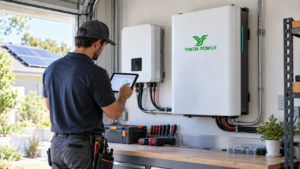
Choosing an energy storage battery manufacturer is not simply a matter of comparing a headline capacity number or collecting a price list. For a residential, commercial, or off-grid project, the supplier you select affects how clearly the system scope is defined, how components work together, and how prepared your team is for installation and commissioning.
This guide gives procurement teams, EPCs, distributors, and project owners a practical way to evaluate an energy storage battery manufacturer. Instead of relying on a generic ranking, use the questions below to compare the exact product configuration, documents, and project responsibilities that matter to your application.
What Does an Energy Storage Battery Manufacturer Actually Supply?
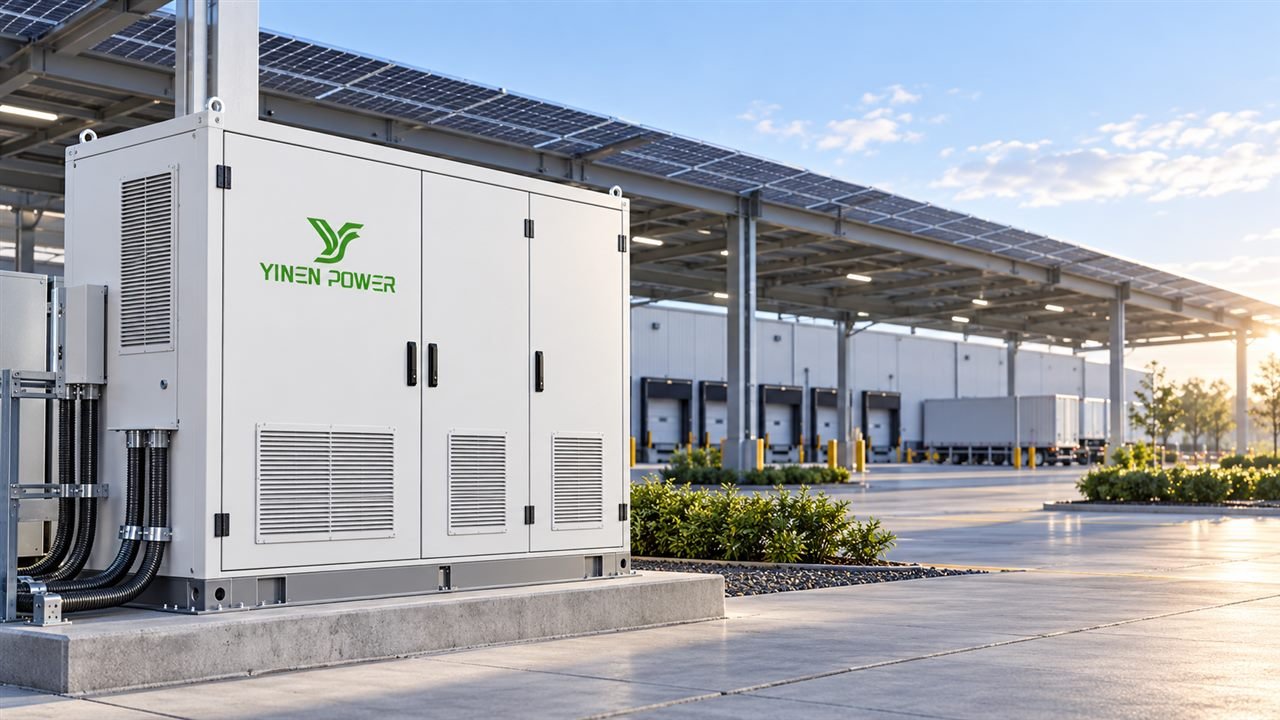
“Manufacturer” can mean different things in the energy-storage market. One company may make battery modules, another may assemble complete cabinets, and another may integrate batteries with power conversion, controls, enclosure equipment, and project services. Start every comparison by defining the supplied boundary—not by assuming that two similar product photos represent the same scope.
For a battery energy storage system (BESS), the scope may include battery modules or packs, a battery management system (BMS), a cabinet or container, cabling, communication interfaces, and system documentation. Depending on the project, a power conversion system (PCS), inverter, energy management system (EMS), thermal-management equipment, protection devices, and installation support may also be part of the proposed solution. Ask the supplier to state what is included, what is optional, and what must be sourced or engineered elsewhere.
Manufacturer, Battery Cell Supplier, or System Integrator?
A battery cell supplier, an energy storage battery manufacturer, and a system integrator may all contribute to the same project. They are not automatically interchangeable. The right partner depends on how much of the system your team needs to configure, procure, install, and support.
| Partner type | Typical focus | Buyer question |
|---|---|---|
| Battery cell supplier | Cells for a downstream battery design | Who designs, protects, and validates the finished battery system? |
| Energy storage battery manufacturer | Battery modules, packs, cabinets, or purpose-built storage products | Which battery products, BMS functions, interfaces, and documents are supplied? |
| System integrator | Combining storage with PCS/inverter, controls, enclosure, and project-level interfaces | Who owns the functional system boundary and integration coordination? |
For a smaller hybrid or backup application, a compatible battery and inverter pairing may be the central decision. For commercial and industrial projects, the challenge often becomes defining the relationship between battery blocks, PCS, controls, protection, site infrastructure, and operating objectives. The most useful proposal makes those relationships explicit.
Start with the Application, Not a Product Category
Before asking for quotations, write a one-page project brief. It should describe the load profile, desired operating outcome, installation location, available electrical infrastructure, expected expansion path, and the party responsible for final engineering. This gives every battery storage supplier the same basis for response.
- Residential backup or self-consumption: clarify critical loads, desired backup behavior, existing or planned solar, and battery/inverter compatibility.
- Commercial and industrial storage: clarify demand profile, operating hours, site constraints, peak-management or resilience objectives, and the PCS/EMS system boundary.
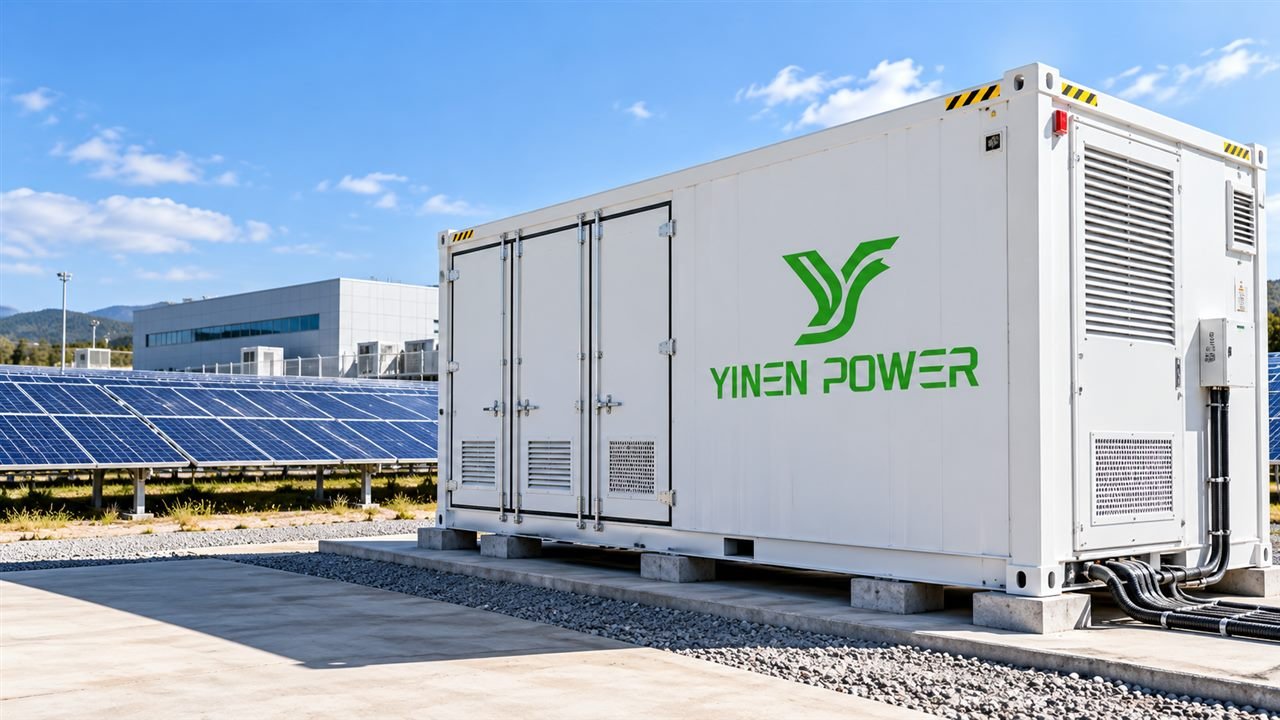
- Containerized project storage: clarify power and energy targets, access and transport constraints, environmental conditions, site layout, and the connection point.
- Off-grid or hybrid power: clarify generation sources, generator interaction, load priority, autonomy expectations, and the controls strategy.
Use a supplier that is ready to work from the real application. For example, YINEN’s industrial energy storage planning guide can help frame the operating questions behind a commercial project before a final equipment scope is selected.
Technical Evidence to Request Before You Compare Prices
A lower initial quote is difficult to evaluate if the technical boundary is unclear. Request current, model-specific materials rather than relying on a general brochure. The U.S. Department of Energy’s Battery Energy Storage System Procurement Checklist is also a useful independent starting point for early project questions.
At a minimum, ask for the following evidence relevant to the proposed configuration:
- Product datasheets with the exact model designation and stated operating limits.
- A clear single-line or functional diagram showing the battery, BMS, PCS or inverter, EMS, protection equipment, and communication paths.
- Compatibility information for the intended inverter, PCS, or controls platform.
- Installation, operation, and maintenance documentation appropriate to the product and application.
- A statement of the supplier’s scope, exclusions, commissioning interface, and responsible technical contact.
- Project-specific confirmation of any requested standards, approvals, grid-interconnection requirements, or site conditions.
Do not treat a document for a different product family as proof for the model you intend to buy. Also avoid assuming that a BMS label alone describes the complete protection and control strategy. The applicable system behavior depends on the full configuration and on the responsibilities agreed between the equipment supplier, integrator, installer, and project owner.
A Practical Manufacturer Evaluation Matrix
Use the same evaluation matrix for every shortlisted supplier. It keeps commercial discussions connected to the technical decision and helps your team identify unanswered questions early.
| Evaluation area | What to verify | Why it matters |
|---|---|---|
| Product scope | Exact models, included components, optional equipment, exclusions | Prevents gaps between a quotation and the required BESS function. |
| Power and energy fit | Project operating objective, power-to-energy relationship, expansion approach | Helps align equipment selection with the actual load and use case. |
| Integration | Battery/inverter or PCS compatibility, communication interfaces, controls responsibility | Reduces uncertainty at commissioning and handover. |
| Site readiness | Installation location, access, environmental conditions, civil and electrical interfaces | Identifies project constraints that a product photo cannot show. |
| Documentation | Current model documents, drawings, manuals, project clarification process | Supports an informed technical review before purchase. |
| Service plan | Named contacts, support path, commissioning and maintenance responsibilities | Clarifies who responds at each stage of the project. |
Questions for U.S. Projects Must Be Verified Separately
U.S. market requirements can vary by location, authority having jurisdiction, utility, project type, and the exact equipment configuration. A manufacturer’s general marketing statement is not a substitute for project-specific review. Confirm current documentation and responsibilities with the relevant installer, engineer, authority, utility, and equipment suppliers before procurement or installation.
Useful questions include: Which model documents apply to this quotation? Who confirms the interconnection and protection approach? What information is required for the site review? Which party provides the final drawings, installation work, and commissioning plan? Recording the answers in the RFQ and contract is more useful than selecting a supplier from a “top 10” list.
How YINEN POWER Can Support Configuration Discussions
YINEN POWER can help a project team begin with the system use case and product interface questions. If your application includes a low-voltage home or small-business storage system, review low-voltage solar battery sizing, compatibility, and backup planning before finalizing a configuration. For hybrid or independent-power applications, explore YINEN’s single-phase off-grid hybrid inverter options alongside the battery selection.
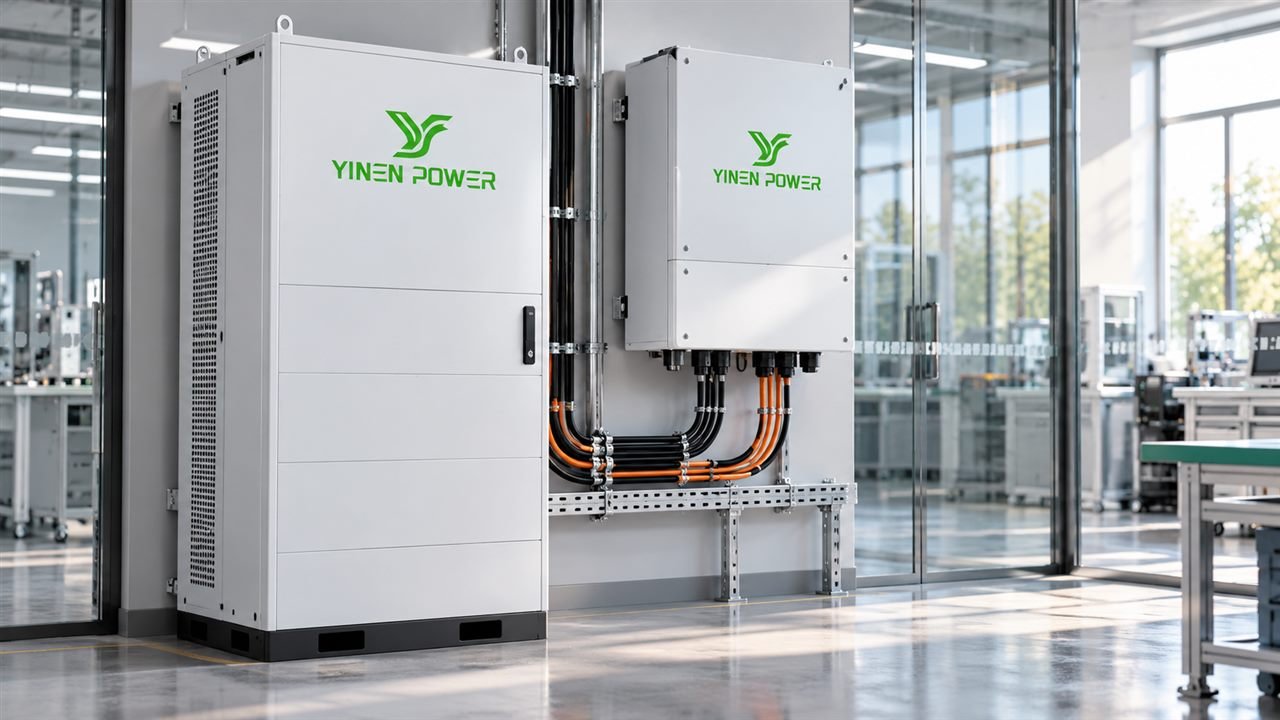
For larger BESS projects, provide the operating objective, location, available power source, connection concept, site constraints, requested scope, and target timeline. That information makes it possible to discuss a suitable product approach and identify items that require project-specific engineering or third-party confirmation.
RFQ Checklist for an Energy Storage Battery Manufacturer
- State the application and the required operating outcome.
- Identify the exact power, energy, autonomy, or load-management target.
- Describe solar, grid, generator, inverter, PCS, or EMS equipment already planned or installed.
- Include site photos, layout constraints, electrical interface information, and environmental conditions where available.
- Request a complete scope table, current product documents, and a list of exclusions.
- Ask for a named technical contact and a clear process for project-specific questions.
Frequently Asked Questions
How do I choose an energy storage battery manufacturer?
Choose based on the fit between the exact product scope and your application. Compare technical documents, integration responsibility, installation interfaces, and the supplier’s ability to answer project-specific questions—not only price or a generic manufacturer ranking.
What is the difference between a BESS manufacturer and a battery supplier?
A battery supplier may provide cells, modules, packs, or cabinets. A BESS manufacturer or integrator may define a broader system boundary that includes battery controls, power conversion, enclosure equipment, and system interfaces. Confirm the scope in writing for the proposed configuration.
What should be in a battery storage RFQ?
Include the application, power and energy objective, expected operating behavior, existing equipment, installation environment, site constraints, requested documents, and the party responsible for final engineering and commissioning.
Ready to discuss your project? Talk to YINEN POWER about your energy storage project →