When you compare solar batteries, “cycle life” can look like a simple number. It is not. A cycle-life figure only becomes useful when you know the depth of discharge, temperature, charge and discharge power, end-of-life capacity, and system controls behind it. This guide helps homeowners, installers, distributors, and project buyers compare solar battery cycle life on a like-for-like basis before they specify a storage system.
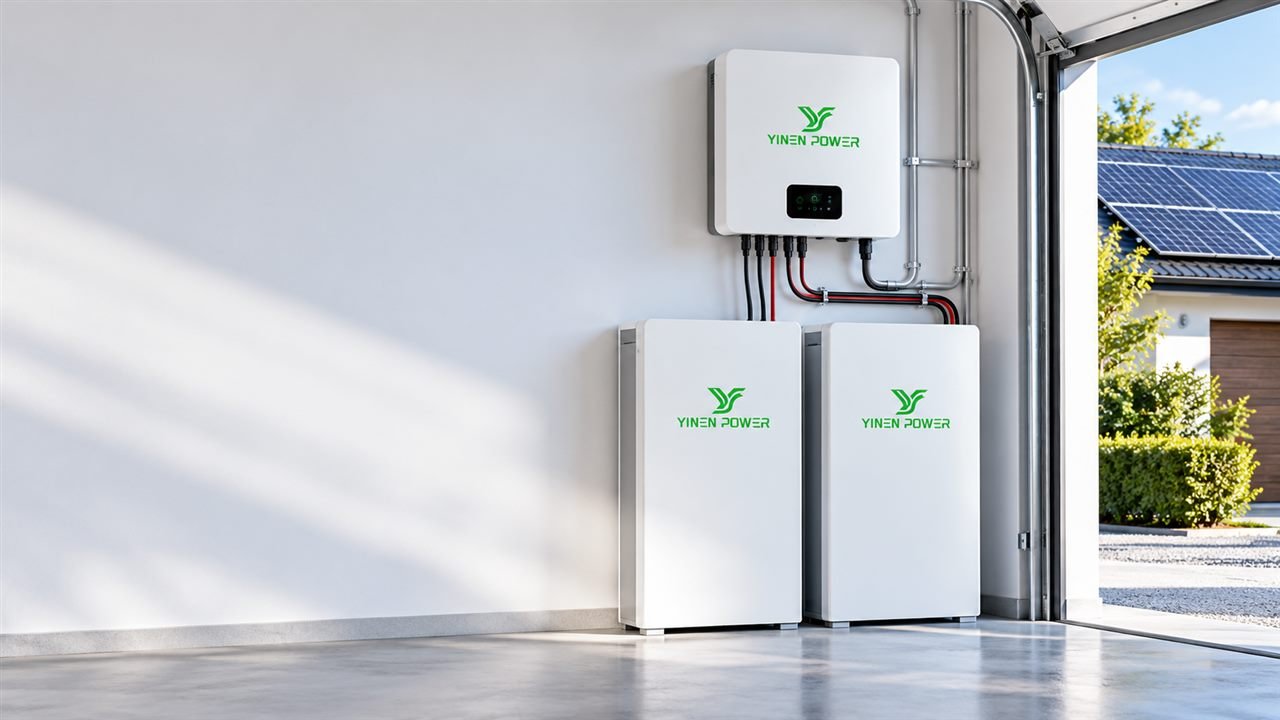
What Does Solar Battery Cycle Life Mean?
One battery cycle represents energy being discharged and then replenished. In real solar operation, that may happen as one full cycle or as several partial charge and discharge events that add up over time. Cycle life describes how many of those equivalent cycles a battery can complete under stated test conditions before it reaches a defined remaining-capacity threshold.
It does not guarantee that every installation will achieve the same result. A battery used in a hot enclosure, pushed to its operating limits, or kept at a high state of charge for long periods can age differently from a unit operated under the published test conditions. For a meaningful comparison, buyers should ask what the cycle-life number actually includes.
Cycle Life and Calendar Aging Are Different
Cycle aging is linked to energy throughput: each charge and discharge event contributes to gradual wear. Calendar aging is linked to time, temperature, and the battery’s average state of charge. A lightly used battery can still lose capacity while it sits, especially in unfavorable conditions. A frequently cycled battery may also retain useful capacity for a long time if the system is correctly sized, cooled, configured, and maintained.
That is why a solar storage proposal should consider both the project duty cycle and how the equipment will live between cycles. A daily self-consumption system, a backup-focused system, and a commercial peak-management system can place very different demands on the same battery chemistry.
How to Read a Solar Battery Cycle-Life Claim
Ask every supplier to provide the same context for a stated cycle-life figure. The checklist below prevents a headline number from becoming a purchasing shortcut.
| Question to ask | Why it changes the comparison |
|---|---|
| What depth of discharge was used? | Shallower or deeper cycling changes how much energy moves through the cells in each cycle. |
| What remaining-capacity threshold applies? | A cycle count is incomplete unless the capacity-retention endpoint is stated. |
| At what temperature was the test performed? | Cell behavior and aging are sensitive to thermal conditions. |
| What charge and discharge rate was used? | Power demand, cable sizing, and inverter settings affect real operating stress. |
| Is the result for a cell, battery module, or complete system? | A complete system must also manage power conversion, communications, protection, and installation conditions. |
| What warranty terms apply to the quoted model? | Confirm the exact model, usable energy, throughput conditions, exclusions, and service route before purchase. |
A credible supplier can discuss the conditions, not just the largest number. For an actual quote, request the current datasheet and warranty for the proposed model and destination market.
Independent technical guidance also treats temperature, state of charge, and operating conditions as important variables in lithium-ion aging. See the IEA PVPS overview of Li-ion battery storage systems for a broader system-level perspective.
Depth of Discharge: More Than a Setting
Depth of discharge (DoD) is the share of stored energy removed during an operating event. It is one of the most important variables behind a cycle-life comparison. The usable window should be designed around the site’s load profile, backup priority, solar generation, and charging opportunities—not simply opened as wide as possible.
For example, a home that needs essential-load backup may reserve energy for an outage. A site that shifts a predictable afternoon peak may use a scheduled operating window. In both cases, a sensible operating strategy helps match daily energy use to the battery and inverter capability instead of asking the system to solve a sizing problem through aggressive settings.
Temperature, Installation, and System Controls
Battery cells operate inside an electrical and physical system. Ambient temperature, ventilation, cabinet location, direct sunlight, dust, cable routing, and installation clearance all affect the conditions the equipment experiences. Follow the latest installation manual for the exact product and do not assume that an indoor configuration can be installed outdoors, or that a commercial cabinet can be specified from a residential duty profile.
The battery management system (BMS), compatible inverter, and communication settings are equally important. They coordinate safe operating limits and allow the system to respond to changing solar output, grid conditions, and load demand. When selecting an inverter, confirm battery voltage, protocol compatibility, power limits, and monitoring requirements. YINEN’s single-phase off-grid hybrid inverter range is one example of why the battery plan, PV input, load profile, and inverter configuration should be reviewed together.
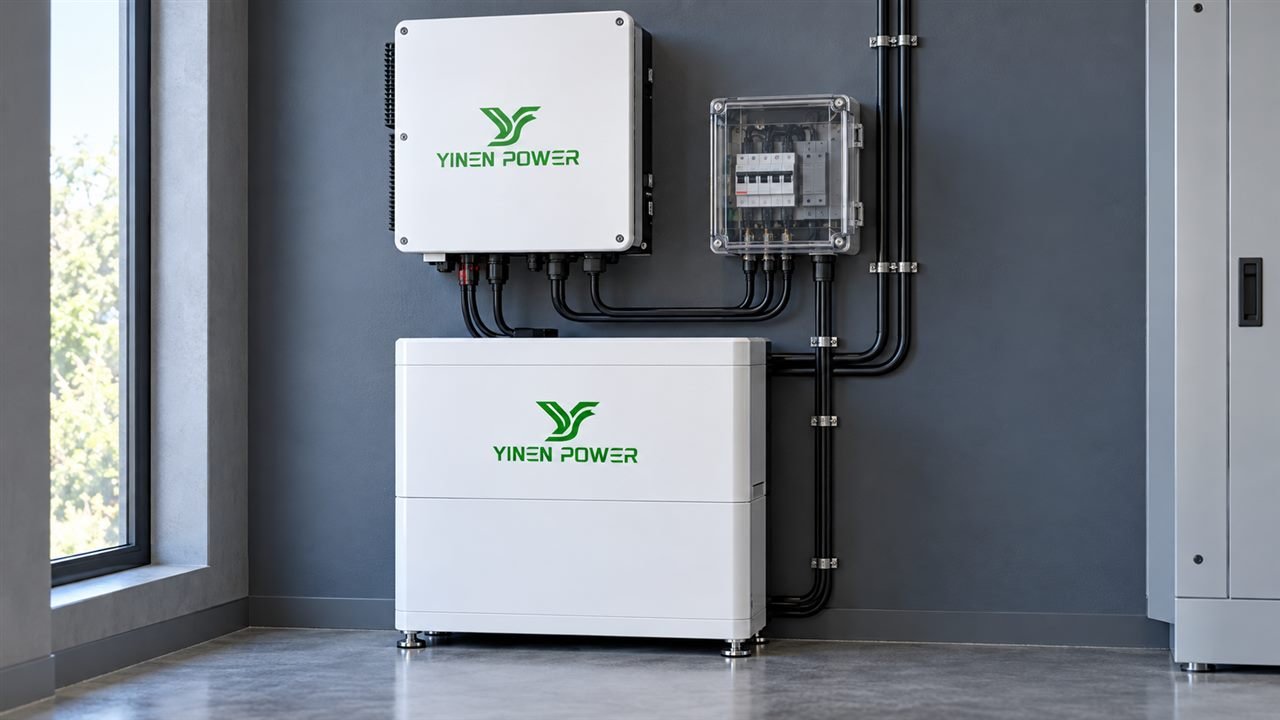
Size the System for the Actual Duty Cycle
A battery that is too small for a recurring energy requirement may be driven through deep or frequent cycles. A battery that is poorly matched to the inverter or load may also be unable to deliver the required power, even when its energy capacity appears sufficient. Start with the job the system must perform:
- Solar self-consumption: Compare surplus PV generation, evening consumption, and the desired operating window.
- Essential-load backup: Separate critical loads from non-essential loads, then estimate power and backup duration.
- Off-grid operation: Account for seasonal solar variation, generator strategy, surge loads, and reserve capacity.
- Commercial load management: Use interval data to identify demand peaks, daily operating hours, and the power required at discharge.
For residential planning, see YINEN’s guide to low-voltage solar battery sizing, compatibility, and backup planning. For larger sites, a proposal should connect the storage configuration to the facility’s operating schedule and electrical design rather than rely on a generic battery-to-solar ratio.
Residential and Commercial Projects Need Different Questions
Residential projects typically start with household consumption, available roof area, backup needs, and installation location. Buyers should clarify whether the system is intended for daily solar shifting, outage resilience, or both. They should also confirm how critical loads will be separated and whether the final configuration can support their local grid requirements.
Commercial and industrial projects add load variability, demand-management objectives, site controls, access requirements, and service planning. The system may be configured around solar utilization, defined critical loads, or selected peak periods. YINEN’s industrial-park energy storage approach frames these choices around real load behavior and operating priorities.

Practical Ways to Protect Long-Term Battery Value
- Install equipment in the permitted environment and keep required clearances clear.
- Use the current product documentation for commissioning, firmware, and communication settings.
- Match charging and discharge limits to the quoted battery and inverter configuration.
- Review alarms, monitoring data, and unusual operating patterns promptly.
- Plan routine inspection and service access before the system is commissioned.
- For long storage or seasonal shutdown, follow the manufacturer’s specified storage-state guidance for the exact model.
These actions do not replace product-specific instructions, but they help ensure that the installation and operating plan respect the assumptions behind the selected equipment.
Frequently Asked Questions
Is a larger cycle-life number always better?
Not on its own. Compare the test conditions, capacity-retention endpoint, power requirements, usable energy, system compatibility, warranty terms, and the project’s expected duty cycle.
Can a solar battery complete several partial cycles in one day?
Yes. Solar output and load demand vary through the day, so real operation may include several partial charge and discharge events. Monitoring data and the system operating strategy help show what the battery is actually doing.
Does a battery with fewer cycles need immediate replacement?
No. Review remaining usable capacity, alarms, system performance, and the manufacturer’s guidance for the exact model. A replacement decision should be based on the complete system condition and project requirements.
Specify Solar Storage With the Conditions That Matter
The right solar battery cycle life is not a single number; it is a fit between battery chemistry, usable energy, power, temperature, controls, installation, and the job the system must do every day. Share your load profile, solar array, location, backup objective, target operating schedule, and destination market with YINEN POWER. Our team can help review an appropriate battery-and-inverter configuration for your project.